

Tighten Loose Stomach Skin: Non-Surgical Tissue Remodelling

The most expensive firming creams on the shelf often fail because they address the superficial epidermis while the true cause of laxity resides in the deeper dermal layers. If you've been searching for how to tighten loose stomach skin, you've likely encountered a confusing mix of marketing claims and invasive surgical options that carry significant risks and downtime. It's frustrating to feel that your only choices are ineffective lotions or a major operation that leaves you sidelined for weeks.
We understand the impact that a loss of abdominal firmness can have on your confidence, especially when fitted clothing no longer feels comfortable. This article provides a clear, clinical roadmap for non-surgical tissue remodelling by examining the biological mechanisms of skin elasticity. You'll discover how evidence-based treatments, such as RF skin tightening and manual lymphatic drainage, work in harmony to stimulate collagen synthesis and optimise the cellular environment. We'll outline exactly what to expect regarding treatment timelines and how a holistic protocol can achieve visible, lasting improvements in skin texture and firmness without the complications of surgery.
Table of Contents
Understanding the Biology of Abdominal Skin Laxity
The abdominal region is physiologically predisposed to significant structural changes. Unlike the skin on our limbs, the stomach must accommodate rapid expansion during pregnancy or weight fluctuations. This resilience relies on the dermal matrix, a complex network of collagen and elastin fibres. Collagen provides the necessary tensile strength, while elastin allows the tissue to recoil after being stretched. However, when the skin is held in a distended state for prolonged periods, these fibres undergo mechanical failure. The biology of collagen loss dictates that once these structural proteins are overextended, they lose their ability to "snap back" to their original orientation. Factors like genetics and age further exacerbate this, as natural collagen synthesis begins to decline in our mid-twenties, reducing the skin's inherent rehabilitative capacity.
Several variables influence the severity of abdominal laxity:
Genetics: Your DNA determines the baseline density of your dermal fibres and how efficiently your body repairs connective tissue.
Duration of distension: The longer the skin remains stretched, the more permanent the damage to the elastin network becomes.
Ageing: Decreased hormonal support, particularly oestrogen, leads to thinner skin and slower cellular turnover.
Rapid weight loss: Losing a significant amount of weight quickly removes the internal volume that once held the skin taut, often revealing the true extent of dermal damage.
The Science of Fibroblasts and Tissue Repair
Fibroblasts are the specialised cells within the dermis responsible for secreting collagen and elastin. They act as the biological engine rooms for skin firming. When we look at how to tighten loose stomach skin effectively, we must focus on stimulating these cells. This process, known as neocollagenesis, involves triggering a controlled healing response that prompts fibroblasts to produce fresh, high-quality structural proteins. Most over-the-counter firming creams fail because their active molecules are too large to penetrate the epidermis. They sit on the surface, providing temporary hydration but failing to reach the fibroblasts located deep within the dermal layer where true remodelling occurs.
Distinguishing Between Excess Fat and Loose Skin
Effective treatment requires an accurate anatomical assessment. Many clients confuse subcutaneous fat with skin laxity. A simple "pinch test" can provide initial clarity. If you can pull the tissue away from the body and it feels thin, wrinkled, or "crepey", you are likely dealing with skin laxity. If the tissue feels thick and firm between your fingers, it suggests underlying adipose tissue. Rapid weight loss often makes skin appear looser because the "volume" that once held the skin taut has been removed, leaving the overstretched dermal matrix unsupported. A professional clinical assessment uses these markers to determine whether the focus should be on fat reduction, tissue tightening, or a synergistic combination of both.
Non-Surgical Modalities for Clinical Tissue Remodelling
Clinical tissue remodelling relies on energy-based systems that bypass the epidermis to target the structural foundation of the skin. When considering how to tighten loose stomach skin, the integration of thermal and mechanical energy provides a multi-layered approach that topical products simply cannot replicate. Non-invasive skin tightening procedures utilise these physics-based principles to induce biological shifts without the trauma of an incision. These modalities don't just mask the appearance of laxity; they fundamentally alter the cellular environment to favour repair and structural reinforcement.
How RF Skin Tightening Rejuvenates the Dermal Matrix
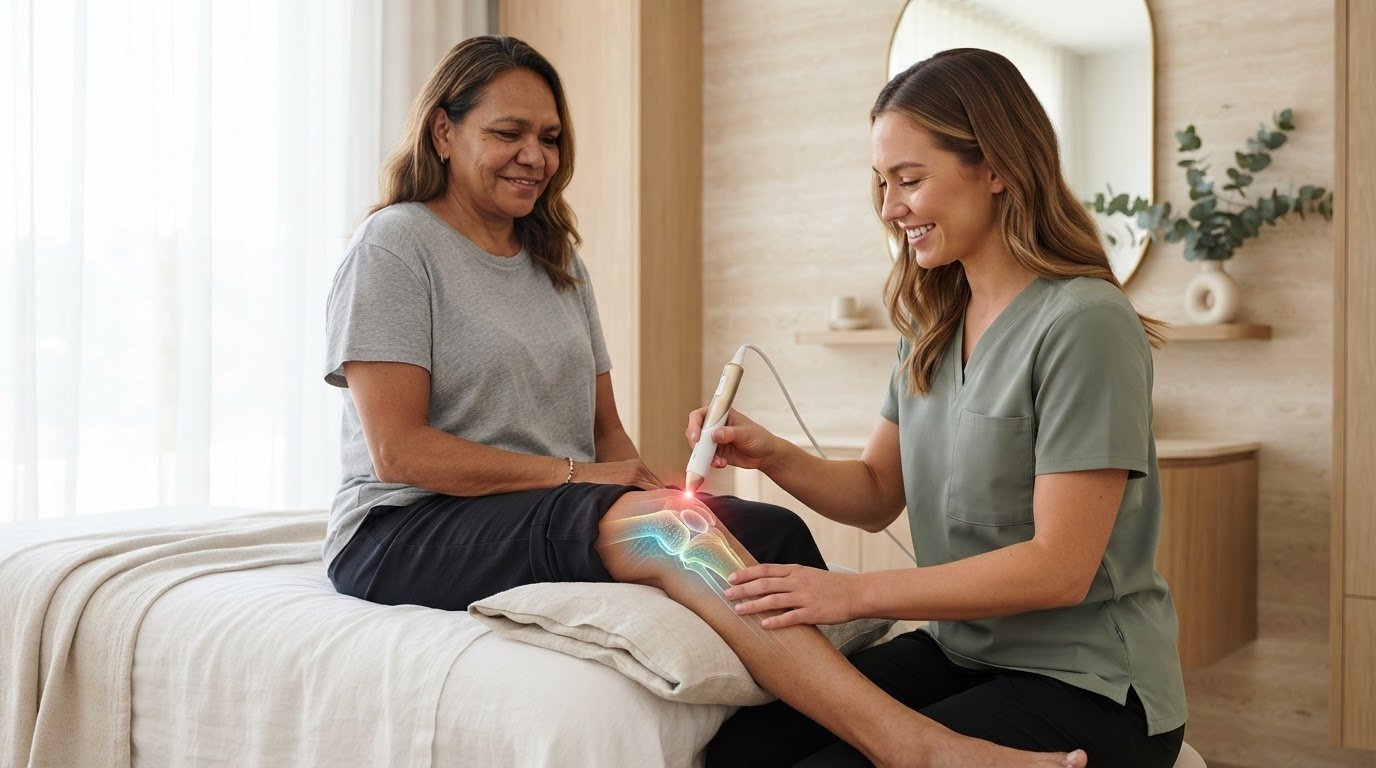
Radiofrequency (RF) skin tightening is the cornerstone of non-surgical abdominal firming. During a session, a clinical-grade handpiece delivers controlled electromagnetic energy into the dermis, generating deep volumetric heating. We specifically target a temperature range of 40 to 42 degrees Celsius. At this precise thermal threshold, existing collagen fibres undergo immediate triple-helix contraction, which often results in a visible, immediate tightening effect. More significantly, this heat triggers a sustained "wound healing" response. This signals fibroblasts to initiate neocollagenesis, creating a denser, more resilient dermal matrix over the following months. Professional-grade devices are essential for this process because they maintain consistent temperatures and depth of penetration that home-use tools cannot safely or effectively achieve.
Ultrasonic Fat Cavitation as a Complementary Tool
While RF addresses the skin's structural integrity, Ultrasonic Fat Cavitation targets the underlying adipose tissue that often contributes to skin strain. This modality uses low-frequency sound waves to create microscopic bubbles within the interstitial fluid surrounding fat cells. The resulting pressure changes cause the adipocyte membranes to collapse, releasing stored triglycerides. Once released, the body processes these fatty acids as glycerol, which is then naturally metabolised or eliminated via the lymphatic system. By reducing the volume of subcutaneous fat, we decrease the outward pressure on the skin. This allows the newly tightened dermal fibres to sit more flush against the abdominal muscle wall, creating a smoother, more contoured silhouette.
Combining these two technologies creates a synergistic effect that addresses both the "envelope" and the "content" of the abdominal area. A typical session is comfortable, feeling similar to a warm stone massage, and requires absolutely no downtime. If you're ready to explore a personalised treatment plan, our clinicians specialise in RF Skin Tightening protocols tailored to your specific anatomical needs.
Clinical Treatments vs. Surgical and DIY Alternatives
When researching how to tighten loose stomach skin, the options range from inexpensive supermarket lotions to invasive surgical procedures. Understanding where clinical non-surgical treatments sit on this spectrum is vital for managing expectations and achieving a functional result. While DIY methods offer convenience, they lack the physiological impact required to alter the dermal matrix. Conversely, surgery provides a definitive solution for extreme cases but carries a burden of recovery and risk that many prefer to avoid.
The Myth of the "Magic" Firming Cream
The skincare industry frequently markets topical creams containing collagen or elastin as a direct solution for laxity. However, the skin's primary function is to act as a barrier; the molecular weight of these proteins is far too large to pass through the stratum corneum. These products often contain humectants that temporarily plump the surface through hydration, creating a fleeting illusion of firmness that disappears once the product is washed off. Clinical modalities are necessary for dermal change because they utilise targeted energy to reach the deeper connective tissues where topical ingredients simply cannot penetrate.
Navigating the Decision Between Clinic and Surgery
For individuals with mild to moderate laxity, non-surgical tissue remodelling offers a sophisticated alternative with zero downtime and minimal risk of scarring. Clinical honesty is paramount during the assessment phase. If a patient presents with a significant panniculus, commonly known as an "apron" of skin that hangs over the pelvic region, energy-based devices may provide texture improvement but cannot remove the physical volume of redundant tissue. In these instances, an abdominoplasty remains the gold standard for structural removal.
For those in the rehabilitative stage or with moderate concerns, incorporating remedial massage can further support tissue health by improving local circulation and ensuring the underlying musculature provides a firm foundation for the skin. Unlike surgical intervention, which provides an immediate mechanical change, non-surgical tightening is a cumulative biological process. A single session initiates the response, but a structured series of treatments is required to build the necessary density of new collagen fibres. This methodical approach allows for a natural-looking transition and avoids the "pulled" appearance sometimes associated with invasive lifts.
The Essential Role of Lymphatic Health in Skin Firming
While previous sections focused on the structural fibres of the dermis, the fluid environment surrounding those fibres is equally critical. Persistent fluid retention, or oedema, adds significant physical weight to the abdominal skin. For those investigating how to tighten loose stomach skin, ignoring the lymphatic system often leads to plateaued results. When the interstitial space is congested with stagnant fluid, it creates a constant downward pull on the weakened collagen matrix, effectively stretching the skin from the inside out. Optimising lymphatic flow lightens this load, allowing the tissue to respond more effectively to remodelling energy.
MLD: The Secret to Enhanced Contouring Results
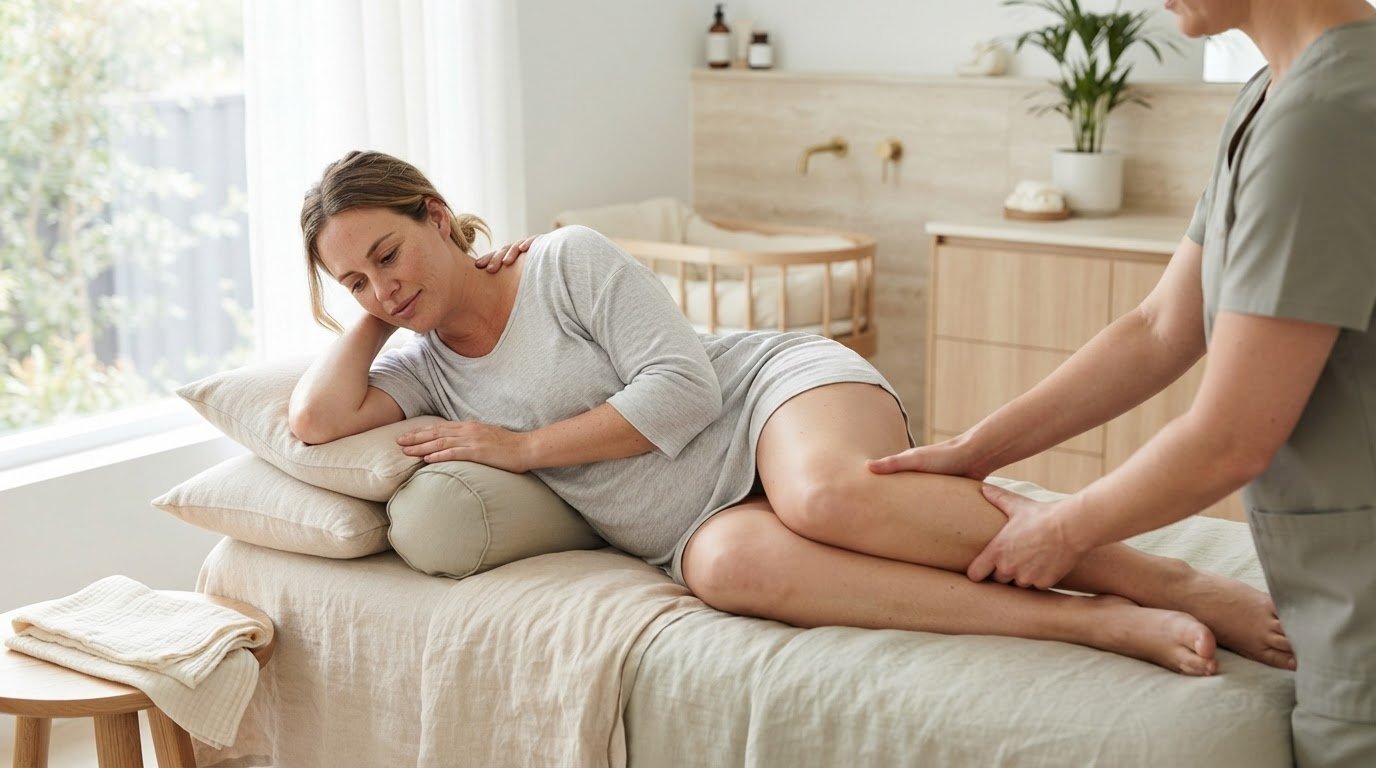
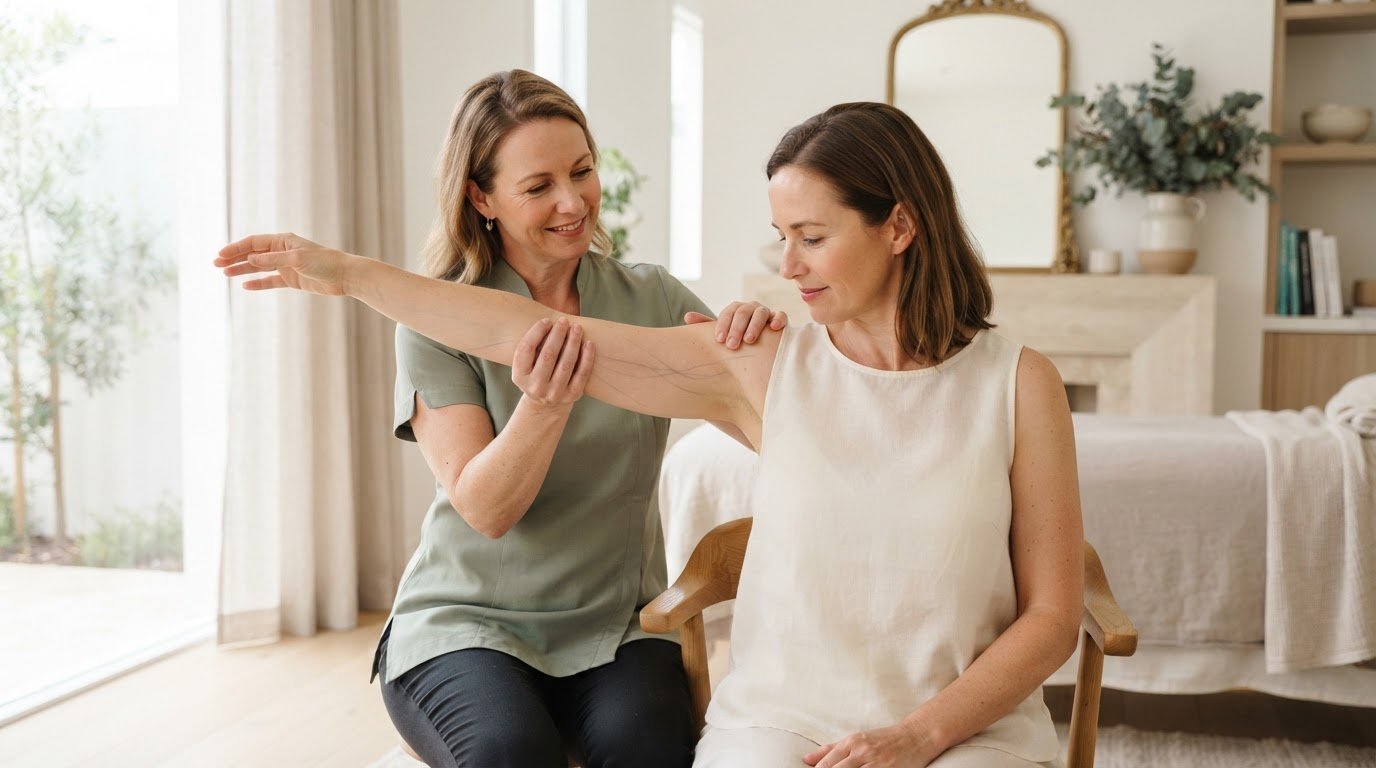
Integrating manual lymphatic drainage massage into a body contouring protocol is a clinical necessity rather than a luxury. When ultrasonic fat cavitation disrupts adipocyte membranes, the released lipids and cellular debris must be processed by the lymphatic system. If the system is sluggish, these waste products can linger, causing localised inflammation and obscuring the results of the treatment. Clinical MLD uses precise, rhythmic strokes to accelerate the transport of these lipids to the lymph nodes for filtration. This process reveals firmer contours significantly faster than relying on the body's passive drainage alone. Unlike mechanical vibration tools, manual clinical drainage allows the therapist to feel tissue resistance and adjust pressure to the specific needs of the patient's anatomy.
Identifying Signs of Lymphatic Congestion
Recognising when your body requires clinical support is the first step toward better skin health. Lymphatic congestion often manifests as a persistent puffiness or a heavy sensation in the abdominal area. You can identify this through a simple test: press your thumb firmly into the skin for several seconds. If a visible indentation remains, known as "pitting", it indicates excess fluid in the tissues. This stagnation prevents fresh, nutrient-rich blood from reaching the dermal matrix, starving fibroblasts of the oxygen required for neocollagenesis. Understanding lymphatic draining and its impact on the deep fascia is essential for anyone serious about physical optimisation. By clearing this congestion, we revitalise the tissue and provide a healthier biological foundation for skin tightening.
Experience the synergy of clinical technology and rehabilitative touch by booking a professional Manual Lymphatic Drainage session to support your body contouring journey.
Personalising Your Protocol for Lasting Stomach Firmness
Achieving a firmer abdominal profile is not a singular event but a cumulative physiological process. When determining how to tighten loose stomach skin, we typically recommend a clinical window of 6 to 10 sessions, spaced approximately 7 to 14 days apart. This specific cadence ensures the dermis remains in a state of active remodelling without overtaxing the tissue's natural recovery capacity. While clinical technology acts as the catalyst for change, your internal biological environment dictates the quality and longevity of the new tissue produced. Integrating non-surgical skin tightening into a broader wellness plan allows for a multi-dimensional approach to physical optimisation.
The Lifestyle Factors That Support Collagen Growth
The success of neocollagenesis relies heavily on the availability of specific micronutrients. Vitamin C is a critical co-factor in collagen synthesis; without it, the body cannot effectively cross-link the amino acids proline and glycine to form stable protein fibres. We advise maintaining high levels of hydration to support the interstitial fluid transport discussed in our section on lymphatic health. Conversely, certain habits can actively dismantle your clinical progress. Smoking causes significant peripheral vasoconstriction, which starves the fibroblasts of oxygen and nutrients. Similarly, excessive UV exposure generates free radicals that break down existing elastin, making it harder for the skin to maintain its structural recoil. Consistent, moderate exercise further supports these results by improving systemic microcirculation, ensuring that the "building blocks" of skin repair reach the abdominal area efficiently.
Managing Expectations and Maintenance
Patience is a requirement for any evidence-based tissue remodelling protocol. While the immediate contraction of collagen fibres provides a subtle "lift" after the first session, the most profound structural changes occur deep within the dermis over a longer horizon. The peak results of a treatment series generally manifest between 3 and 6 months post-protocol, as this aligns with the natural biological cycle of protein maturation. Because the body continues its natural ageing process, maintenance sessions every 3 to 4 months are recommended to sustain the density of the dermal matrix. Before beginning your journey, it is beneficial to prepare for your remedial treatment by stabilising your hydration and nutrition. This proactive approach ensures your cells are primed for the regenerative signals delivered during your clinical sessions, leading to a more resilient and visible outcome.
Commencing Your Path to Abdominal Restoration
Restoring structural integrity to the abdominal area requires a sophisticated understanding of human anatomy and cellular repair. By moving beyond the limitations of topical applications and embracing an evidence-based clinical approach, you can achieve visible improvements in skin texture and firmness. The most effective results stem from a dual-action strategy: stimulating deep dermal neocollagenesis while simultaneously supporting the lymphatic system to clear metabolic waste and reduce tissue weight. Understanding how to tighten loose stomach skin involves recognising that true remodelling is a gradual biological process that occurs over several months.
At Body Therapist, Qualified Master Practitioner Lee Carnegie utilises specialised non-surgical body contouring technology to target laxity at its source. Our methodical protocols are designed to integrate seamlessly with your lifestyle, ensuring that every session builds toward a more resilient and contoured silhouette. We invite you to take the next step in your physical optimisation journey. Book your clinical body contouring consultation at Body Therapist to receive a personalised assessment tailored to your unique anatomical needs. You don't have to settle for a loss of confidence when evidence-based clinical solutions are within reach.
Frequently Asked Questions
Can you actually tighten loose stomach skin without surgery?
Yes, non-surgical tissue remodelling is highly effective for mild to moderate laxity. By using energy-based devices like radiofrequency, we can induce a controlled thermal response in the dermis that triggers the production of fresh collagen and elastin. While it cannot replicate the results of an invasive abdominoplasty for large amounts of redundant tissue, it significantly improves skin density and structural recoil without the risks of an operation.
How many sessions of RF skin tightening are usually needed for the stomach?
Most clients require a structured programme of 6 to 10 sessions to achieve optimal results. This frequency is necessary because collagen synthesis is a cumulative biological process; each treatment builds upon the last to increase dermal thickness. Sessions are typically spaced 7 to 14 days apart to allow the fibroblasts enough time to respond to the thermal stimulus and initiate the repair cycle.
Is non-surgical skin tightening painful or uncomfortable?
Professional RF skin tightening is generally described as a comfortable and relaxing procedure. The sensation is often compared to a warm stone massage as the clinical handpiece moves across the abdominal area. We monitor the skin temperature precisely to ensure it stays within the therapeutic range of 40 to 42 degrees Celsius, which is sufficient for tissue remodelling but remains well below the threshold of pain.
Does drinking water help tighten loose skin after weight loss?
Hydration is essential for maintaining skin elasticity, but it won't repair a compromised dermal matrix on its own. When people ask how to tighten loose stomach skin, we explain that water provides the necessary environment for cellular repair and supports the lymphatic system in clearing waste. While drinking water keeps the tissue plump and healthy, clinical intervention is required to fix the underlying structural damage to collagen fibres.
How long do the results of clinical skin tightening last?
The results from a clinical tightening protocol typically last between 12 and 18 months. Because the body continues its natural ageing process and collagen gradually degrades over time, the longevity of your results will depend on lifestyle factors like UV exposure and nutrition. We usually recommend a single maintenance session every three to four months to sustain the density of the newly formed dermal proteins.
Can I combine fat cavitation and skin tightening in the same session?
Combining ultrasonic fat cavitation with RF skin tightening is the gold standard for non-surgical body contouring. Cavitation works to reduce the volume of stubborn subcutaneous fat, while the radiofrequency ensures the skin envelope tightens as the underlying volume decreases. This prevents the skin from appearing looser after fat loss and creates a much smoother, more defined silhouette than using either technology in isolation.
Will exercise alone fix saggy stomach skin?
Exercise increases the tone of the underlying abdominal muscles but cannot repair overstretched dermal fibres. While building muscle provides a firmer foundation that can make the skin appear slightly more taut, it doesn't address the loss of elastin or the thinning of the dermis itself. Clinical tightening is specifically designed to treat the skin's structural integrity, which exercise cannot influence at a cellular level.
Is there any downtime after professional body contouring treatments?
There is absolutely no downtime associated with professional non-surgical body contouring. You might notice some mild redness or a warm sensation in the treated area immediately following the session, but this typically resolves within an hour or two. You can return to your normal daily activities, including work and exercise, immediately after leaving the clinic, making it a highly convenient alternative to surgery.
Comments