

Non-Invasive Thigh Cellulite Treatment Guide

Updated: Aug 8
What if the secret to smoothing persistent thigh dimples wasn't found in a "miracle" cream, but in the precise manipulation of your body's own cellular waste systems? For many, the frustration of seeing little to no result from expensive topical lotions is a common hurdle when seeking an effective non-invasive cellulite treatment thighs. It’s a struggle that often leads to a lack of confidence in swimwear or shorts, especially when up to 90% of women experience some form of cellulite regardless of their fitness level or body weight.
We understand that the sheer variety of machine-based treatments can feel overwhelming. This guide bridges the gap between medical science and aesthetic care, detailing how advanced modalities like ultrasonic fat cavitation and RF skin tightening work in harmony with manual lymphatic drainage. You'll gain a clear understanding of the biological processes that trigger collagen production and structural release; this ensures you can choose a path that offers visible reduction in skin dimpling and firmer, tighter thighs without the downtime of surgery. We'll explore the evidence-based techniques that actually optimise your physical well-being and skin texture.
Table of Contents
Understanding the Anatomy: Why Cellulite Forms on the Thighs
Cellulite isn't merely an aesthetic concern; it's a complex physiological condition involving the subcutaneous fat and the overlying dermis. For a comprehensive overview of cellulite, one must look at the specific way fat is organised in the thigh and buttock regions. In these areas, fat cells are contained within chambers separated by fibrous septae. These connective tissue strands anchor the skin to the underlying muscle, acting like tethering cords that maintain the skin's position. When fat cells hypertrophy (expand) or the skin thins, these bands pull tight, creating the characteristic dimpling that many people find frustrating.
Hormonal shifts, particularly fluctuations in oestrogen, significantly impact the integrity of these structures. As oestrogen levels change, blood flow to the connective tissue can decrease, leading to lower collagen production and a weakening of the skin's structural support. This process, combined with the natural loss of elasticity that comes with ageing, makes the underlying fat more prominent. This anatomical reality explains why a non-invasive cellulite treatment thighs protocol must focus on more than just surface-level fixes; it must address the health of the skin and the connective tissue beneath it.
The Role of Connective Tissue (Septae)
The architecture of the female thigh is unique. Unlike the criss-cross pattern of septae found in men, women's fibrous bands are often oriented vertically. This vertical structure allows fat to push upward more easily while the bands pull down firmly. Over time, these collagenous strands can become stiff or thickened through a process called sclerosis. This tension is what produces the "orange peel" texture. Even individuals with low body fat percentages can experience prominent dimpling because the issue is fundamentally structural. It's about the tension of the bands, not just the volume of fat.
Circulation and Fluid Retention in the Thighs
Efficient circulation is vital for maintaining smooth skin texture. The thighs are high-pressure zones where blood flow and lymphatic drainage can easily become sluggish. When circulation is compromised, the skin loses the nutrients required for repair and elasticity, leading to "lymphatic stagnation." This occurs when excess fluid remains trapped in the interstitial spaces between fat cells. This fluid retention causes the tissues to swell, which increases the pressure on the fibrous septae and makes the dimples appear more severe. A clinical non-invasive cellulite treatment thighs approach must therefore account for this fluid build-up to be effective.
Non-Invasive Technologies: RF Skin Tightening and Fat Cavitation
Effective body contouring relies on a clinical understanding of how specific energy frequencies interact with human tissue. While many seek a non-invasive cellulite treatment thighs, it's vital to distinguish between general aesthetic sessions and medical-grade protocols that target the underlying causes of skin dimpling. Ultrasonic Fat Cavitation and Radio Frequency (RF) Skin Tightening represent the gold standard in non-surgical intervention. These modalities require no incisions, needles, or recovery periods, allowing clients to return to their daily routines immediately after a session.
During the procedure, you'll likely feel a gentle warmth on the skin's surface and hear a distinct ringing or buzzing sound during the cavitation phase. This is entirely normal. It's helpful to review what dermatologists say about cellulite treatments to understand that consistency with these technologies is key to achieving measurable results. Unlike general beauty services, these clinical methods are designed to produce a specific biological response. A comprehensive non-invasive cellulite treatment thighs plan often combines both tools to ensure both fat reduction and skin firming are achieved simultaneously.
Ultrasonic Fat Cavitation for Thigh Contouring
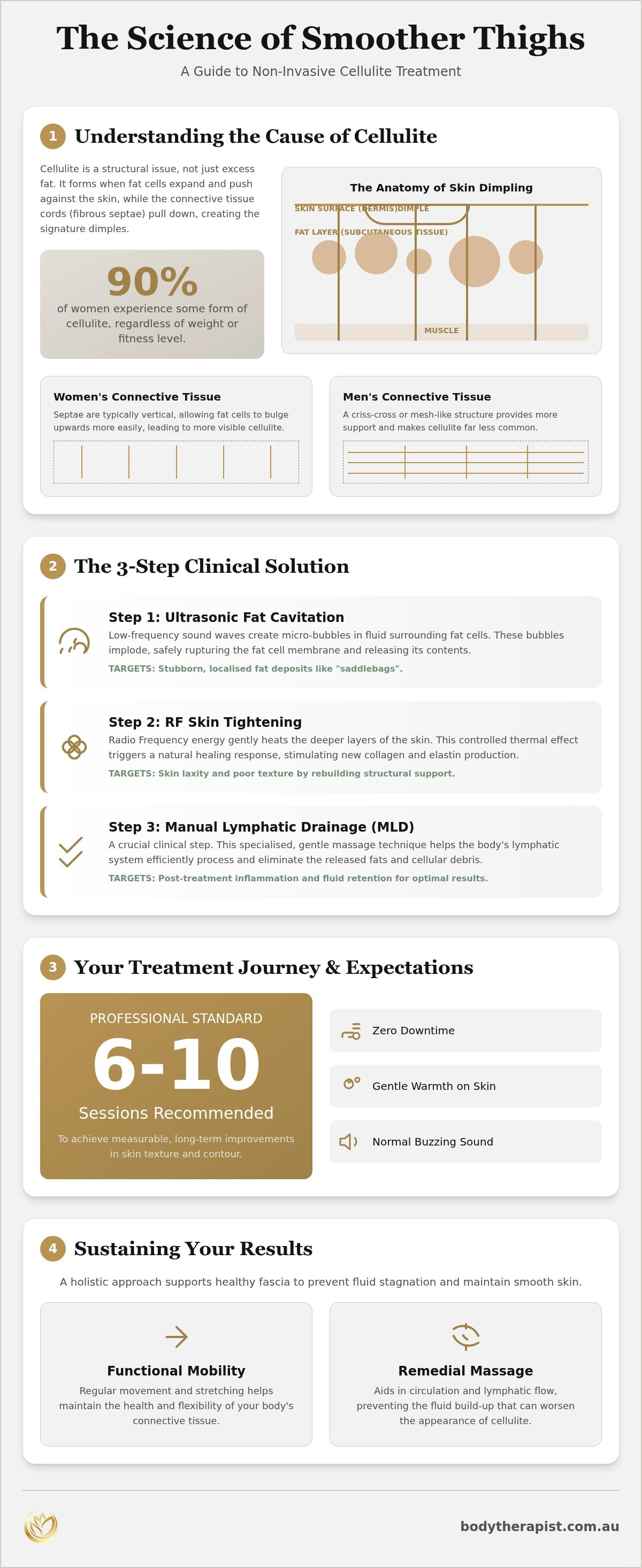
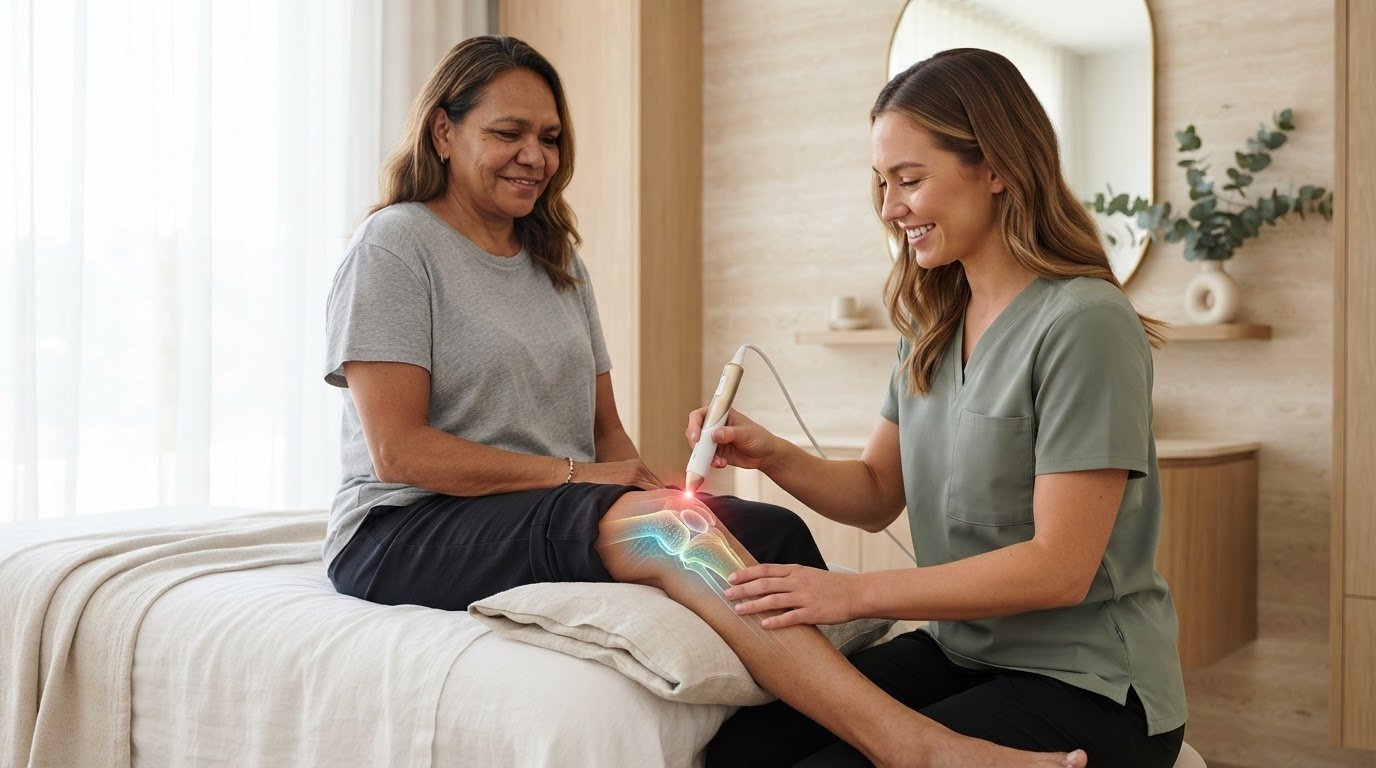
This technique utilises low-frequency sound waves to address localised fat deposits that are often resistant to diet and exercise, such as "saddlebags" on the outer thighs. The applicator delivers ultrasonic energy that creates rapid pressure changes within the interstitial fluid. This process forms microscopic bubbles that surround the fat cell membranes. When these bubbles implode, the resulting shockwave causes the adipocyte membranes to rupture, releasing stored triglycerides into the body's lymphatic system for natural processing. It's a precise method for sculpting the thigh's silhouette without the risks associated with invasive liposuction.
RF Skin Tightening: Firming the Dermal Layer
While cavitation addresses volume, RF Skin Tightening focuses on the structural integrity of the skin itself. By delivering controlled thermal energy into the deep dermal layers, RF technology stimulates fibroblasts, the cells responsible for collagen production. The heat causes existing collagen fibres to contract immediately, providing an initial tightening effect. More importantly, it triggers a long-term healing response known as neo-collagenesis. Over several weeks, the skin becomes denser and more resilient, which helps to mask the appearance of the underlying fat cells. For those interested in a clinical approach, exploring integrated body contouring can help determine the ideal combination of these technologies for your specific skin grade.
The Clinical Advantage of Manual Lymphatic Drainage (MLD)
While advanced technology like fat cavitation is essential for disrupting adipocytes, it represents only half of an effective non-invasive cellulite treatment thighs protocol. Once the fat cell membranes implode, the released triglycerides and cellular debris enter the interstitial space. Without an active mechanism to move this waste into the lymphatic system, the body can reabsorb these lipids or experience localised inflammation. Clinical MLD serves as the necessary biological "clearance" phase, ensuring that the liberated fat is effectively transported away from the treated area.
Contrast this with generic "vibration" machines or suction-based devices found in general beauty settings. These automated tools lack the sensory feedback required to identify specific blockages or vary the pressure based on tissue resistance. At Body Therapist, we view MLD as a sophisticated rehabilitative tool rather than a standard massage. It is a targeted intervention that reduces the inflammatory response post-cavitation, preventing the fluid retention that often masks the immediate results of contouring treatments.
Why Manual Intervention Beats Machine-Only Protocols
Precision is the primary benefit of manual therapy. A qualified practitioner can detect subtle changes in tissue density and identify congested lymph nodes that require specific attention. By using light, rhythmic hand movements, we can open the delicate initial lymph vessels without collapsing them, a common risk with high-pressure mechanical drainage. This tailored approach allows us to address the specific needs of your thighs, whether the primary issue is fat accumulation or chronic lymphatic draining stagnation. This level of clinical care ensures the skin remains calm and the underlying structures are supported during the metabolic transition.
The Biological Waste Removal Process
The journey of disrupted fat from the thigh to the systemic exit is a complex metabolic event. After cavitation, the released glycerol and fatty acids move through the lymphatic vessels toward the thoracic duct, eventually entering the venous circulation. From here, the liver takes over, processing these fats for use as energy or preparing them for excretion. Without the stimulus of a professional manual lymphatic drainage massage, this process can become sluggish, leading to the very "lymphatic stagnation" that contributes to cellulite in the first place. MLD is a clinical tool for metabolic waste management that ensures your non-invasive cellulite treatment thighs results are both visible and physiologically sound.
Personalising Your Treatment: What to Expect
Achieving visible, long-term improvements on the thighs typically requires a series of 6–10 sessions, usually spaced one week apart. This frequency is necessary to allow the lymphatic system to process released lipids without overloading the liver or kidneys. Hydration plays a critical role in this journey; we advise increasing your water intake to at least two litres daily before and after your sessions to facilitate waste removal. Understanding how to prepare for remedial massage and contouring ensures your tissues are in the optimal state for energy delivery and metabolic clearance.
Assessing Your Cellulite Grade
We categorise cellulite on a scale from 1 to 4 to determine the most effective therapy path. Grade 1 dimpling is often only visible when the skin is pinched, whereas Grade 3 or 4 involves deep structural changes and macronodules that are visible even when lying down. It's also vital to differentiate between true cellulite and skin laxity. Loose skin on the inner thighs can often mimic the appearance of dimpling, requiring a heavier focus on RF skin tightening to improve dermal density rather than fat cavitation. By identifying these nuances early, we ensure your non-invasive cellulite treatment thighs is targeted and effective.
The Treatment Roadmap
Every appointment at Body Therapist follows a methodical progression designed to maximise biological impact. We don't rush the process; instead, we move through each phase with clinical precision:
Step 1: Clinical Assessment: We begin with a physical evaluation of the thigh area, noting tissue density and measuring specific zones to track your progress over the course of the programme.
Step 2: Targeted Energy Application: We apply ultrasonic fat cavitation to disrupt adipocytes in stubborn areas like the saddlebags, followed by RF energy to stimulate collagen synthesis in the dermal layer.
Step 3: Metabolic Clearance: Each session concludes with clinical MLD to facilitate the removal of waste products and released fats via the lymphatic system.
If you're ready to begin a results-oriented programme, you can book a professional consultation to determine your specific cellulite grade and start your personalised roadmap.
Maintaining Results: The Holistic Path to Smooth Thighs
Achieving a visible reduction in skin dimpling through a non-invasive cellulite treatment thighs programme is a significant milestone; however, the physiological work doesn't stop once your clinical sessions conclude. Sustaining a smooth, firm aesthetic requires a commitment to the ongoing health of your connective tissue and lymphatic system. We view the post-treatment phase as a period of physiological optimisation, where functional movement and targeted lifestyle habits prevent the recurrence of fluid stagnation and fat accumulation.
Long-term success relies on maintaining the "pliability" of the tissues we've worked to rejuvenate. When the body remains sedentary, interstitial fluid can pool in the thigh and buttock regions, increasing pressure on the fibrous septae we discussed earlier. This pressure leads to the return of the "orange peel" texture. By integrating specific movement patterns and nutritional choices that lower systemic inflammation, you support the dermal density achieved during your RF skin tightening sessions. Think of your clinical treatments as the "reset" and your daily habits as the "maintenance" of your structural health.
Fascial Health and Myotherapy
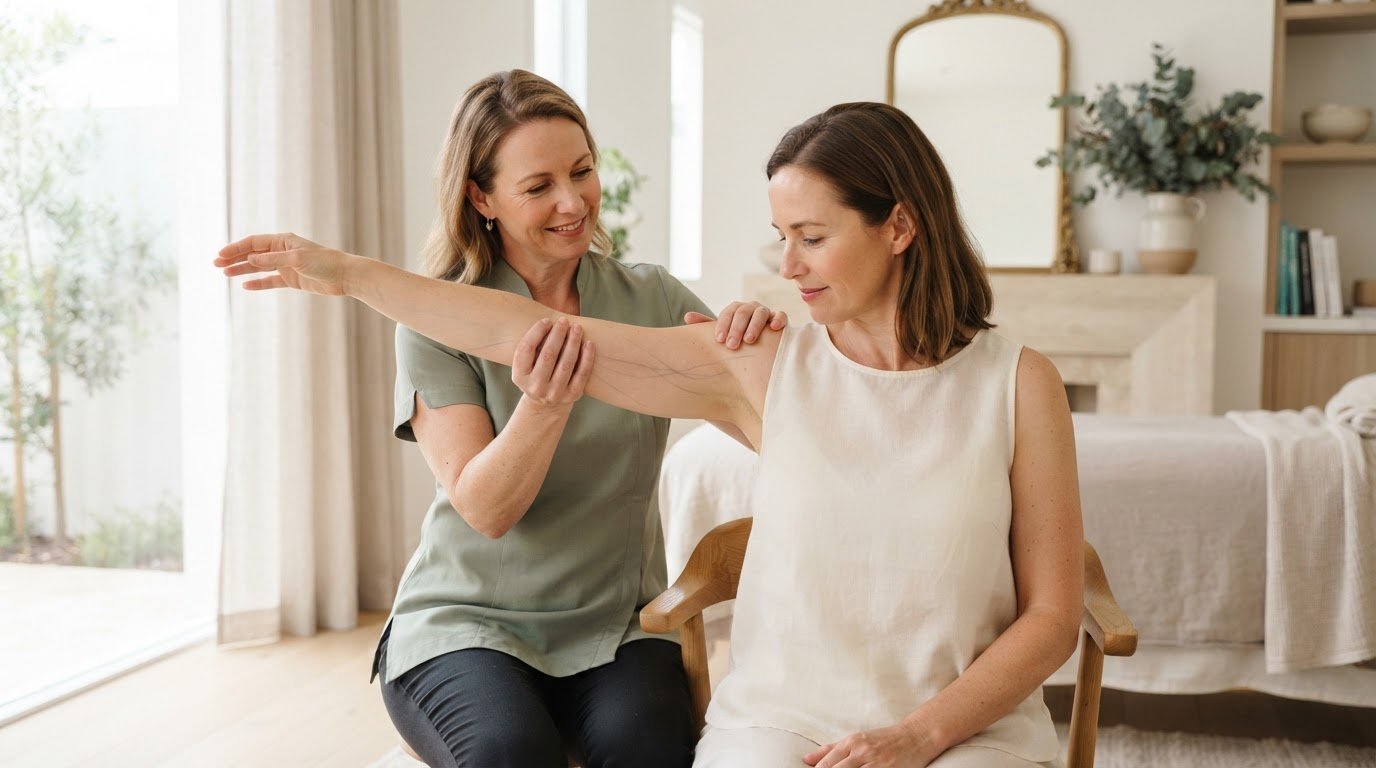
The fascia is a continuous web of connective tissue that surrounds every muscle and organ in your body. When this tissue becomes "stuck" or develops adhesions due to poor posture or lack of varied movement, it pulls unevenly on the skin's surface. This mechanical tension is a primary contributor to the uneven appearance of the thighs. Myotherapy techniques are highly effective here, as they focus on releasing these deep-seated tensions and improving the glide between tissue layers. Regular remedial massage ensures that the skin remains properly anchored to the underlying structures, preventing the sagging that often mimics the appearance of cellulite. Maintaining this tissue pliability is essential for a smooth, functional result that lasts.
Daily Habits for Lymphatic Support
The lymphatic system doesn't have its own pump; it relies entirely on muscle contraction and external stimuli to move waste products. To support your non-invasive cellulite treatment thighs results, you must act as the manual pump for your body. Simple daily actions can make a profound difference:
Functional Movement: Activities like walking, swimming, or targeted thigh exercises engage the "muscle pump" to move lymph fluid toward the nodes for filtration.
Cold-Water Therapy: Ending your shower with a burst of cold water triggers vasoconstriction and subsequent vasodilation, which acts as a thermal pump for the circulatory system.
Dry Body Brushing: Using a firm brush in upward strokes toward the groin helps stimulate the initial lymph vessels located just beneath the skin.
Consistency is the bridge between a temporary aesthetic fix and a permanent change in tissue quality. We recommend regular clinical check-ins to monitor your progress and adjust your maintenance plan as your body evolves. Positioning Body Therapist as your partner in clinical massage therapy ensures you have the professional support needed to manage your fascial health and lymphatic efficiency for years to come.
Take the Next Step Toward Structural Skin Health
Addressing cellulite effectively requires moving beyond superficial topical treatments and focusing on the underlying physiological structures. By integrating ultrasonic fat cavitation with RF skin tightening and clinical manual lymphatic drainage, we address the complex interplay between fat cells, fibrous septae, and lymphatic stagnation. This evidence-based synergy ensures that released lipids are processed efficiently while the dermal layer gains the density required to mask underlying dimpling. Choosing a professional non-invasive cellulite treatment thighs protocol means prioritising your body's functional waste systems alongside aesthetic improvements.
Body Therapist offers a specialised focus on functional tissue health, combining master-level remedial and MLD expertise with advanced non-surgical technology. We're dedicated to guiding you through a methodical, results-oriented journey that respects your unique anatomy and provides a clear path to physical optimisation. If you're ready to move toward firmer, more resilient skin with the support of a qualified specialist, Book your clinical body contouring consultation at Body Therapist. We look forward to helping you achieve a smoother, more confident silhouette through precise, science-backed care.
Frequently Asked Questions
Is non-invasive cellulite treatment for thighs permanent?
Non-invasive cellulite treatment for thighs is not considered permanent because the body continues to undergo natural ageing and metabolic changes. While fat cells disrupted during cavitation are processed out of the system, remaining adipocytes can still enlarge if a caloric surplus occurs. We recommend periodic maintenance sessions and consistent functional movement to sustain the structural integrity of the skin and prevent future lymphatic stagnation.
Does fat cavitation hurt? What does the treatment feel like?
Ultrasonic fat cavitation is a painless procedure that most clients find quite relaxing. You'll experience a gentle warming sensation as the applicator moves across your thighs, accompanied by a distinct ringing or buzzing sound in the ears caused by the sound waves. This is a normal physiological response to the low-frequency energy. There's no need for anaesthesia or downtime, allowing you to resume your daily activities immediately.
How many sessions will I need before I see results on my thighs?
Most clients require between 6 and 10 sessions to achieve optimal results on the thighs. This timeframe allows for the progressive disruption of fat deposits and the gradual synthesis of new collagen fibres in the dermal layer. You may begin to notice changes in skin texture after the third or fourth session, but the full biological impact of the treatment roadmap usually becomes apparent toward the end of the initial course.
Can I treat cellulite on my thighs if I am pregnant or breastfeeding?
We don't perform non-invasive cellulite treatment thighs on individuals who are currently pregnant or breastfeeding. During pregnancy, the body undergoes significant hormonal and fluid shifts that make these treatments unsuitable. While breastfeeding, the release of lipids and cellular waste into the lymphatic system could potentially impact the milk supply. We suggest waiting until you've finished breastfeeding before commencing a clinical body contouring programme to ensure total safety.
What is the difference between fat reduction and cellulite reduction?
Fat reduction focuses on decreasing the volume of adipocytes in a specific area, whereas cellulite reduction addresses the structural dimpling caused by fibrous septae. While fat cavitation reduces the volume pushing against the skin, RF skin tightening and MLD are essential for smoothing the surface texture. A comprehensive non-invasive cellulite treatment thighs protocol must target both the subcutaneous fat and the integrity of the connective tissue to be successful.
Are there any side effects to RF skin tightening on the legs?
Side effects of RF skin tightening are typically minimal and resolve within a few hours. You may experience transient erythema (redness) or a mild sensation of heat in the treated area, similar to a light sunburn. Some clients report minor localised swelling as the lymphatic system begins to process the thermal stimulus. These are positive signs that the fibroblasts have been activated and the healing response is underway.
Can I combine these treatments with other remedial massages?
Combining contouring with remedial massage is highly beneficial for maintaining tissue pliability and fascial health. While cavitation and RF target the skin and fat layers, remedial techniques address the underlying musculature and release fascial adhesions that can exacerbate dimpling. This integrated approach ensures that the thighs remain functional and smooth, preventing the "stuck" tissue sensation that often accompanies chronic lymphatic stagnation and poor circulation.
Do I need to follow a specific diet during my treatment course?
A low-carbohydrate and low-sugar diet is recommended for at least 72 hours following each session. This ensures the liver focuses on processing the released triglycerides rather than new dietary fats or glucose. It's also vital to maintain high hydration levels to support the lymphatic system's clearance process. Avoiding alcohol during this window is also suggested, as it can slow down the metabolic clearance of the disrupted fat cells.

Comments