

Long Term Effects of Ultrasonic Cavitation: A Clinical Perspective on Fat Reduction

Updated: Sep 11
What if the secret to permanent fat reduction isn't just the technology that breaks the cells down, but how efficiently your own body can take out the rubbish? You've likely spent hours scrolling through conflicting reviews, feeling frustrated by stubborn pockets of fat that refuse to budge despite your best efforts at the gym. It's natural to feel apprehensive about where that liquefied fat actually goes once it enters your bloodstream. This article clarifies the long term effects of ultrasonic cavitation from a clinical perspective, ensuring you understand exactly how this non-invasive procedure alters your physiology for the better.
We'll examine the cellular impact on adipose tissue, the vital role of lymphatic drainage in maintaining your results, and the essential protocols required to keep your new silhouette permanent. You'll discover how medical-grade technology works in harmony with your biological processes to improve skin texture and provide lasting contouring. From understanding metabolic clearance to mastering post-treatment maintenance, we provide the evidence-based clarity you need to move forward with confidence in your body transformation journey.
Table of Contents
Understanding the Mechanism: What Happens to Fat Cells Long-Term?
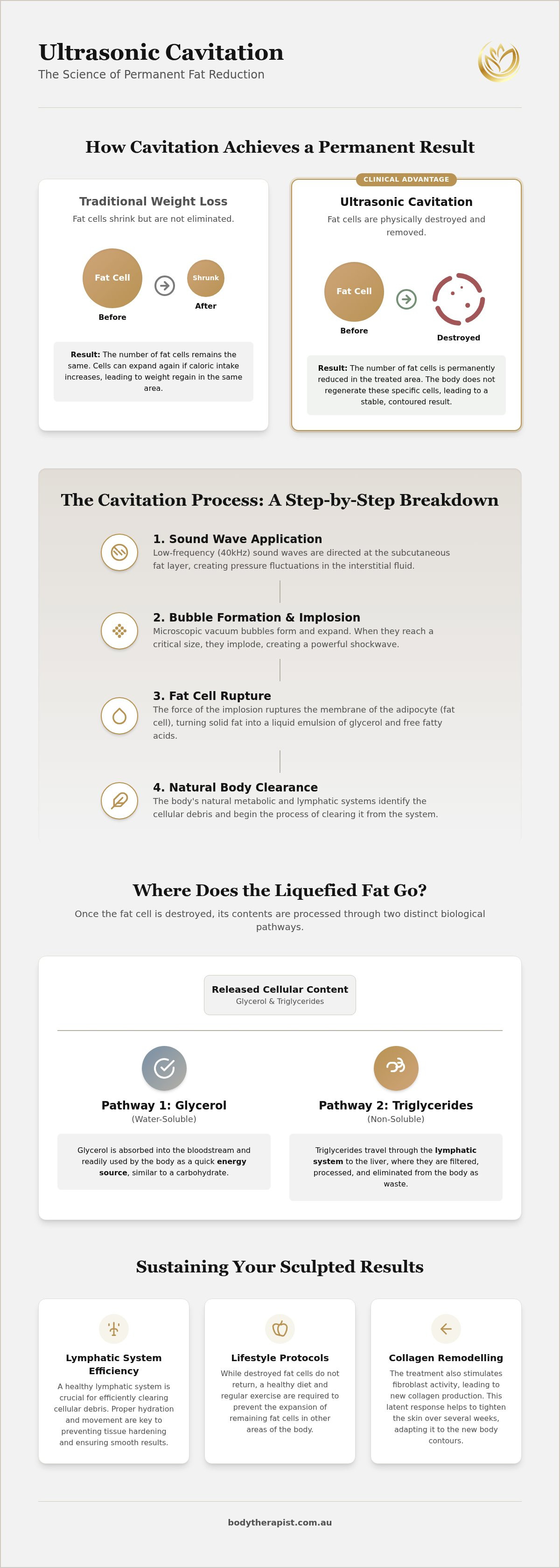
The physical interaction between sound waves and human tissue is a precise clinical process. A medical-grade ultrasonic cavitation device emits low-frequency waves, typically around 40kHz, that penetrate the subcutaneous layer without disrupting the overlying skin or underlying muscle. These waves create rapid pressure fluctuations within the interstitial fluid, leading to the formation of microscopic vacuum bubbles. When these bubbles reach a critical size, they implode with enough force to rupture the adipocyte (fat cell) membrane, effectively turning solid fat into a liquid emulsion of glycerol and free fatty acids.
Cavitation is defined as the permanent destruction of fat cells through ultrasonic pressure. This mechanical disruption is fundamentally different from traditional weight loss or dieting. When you lose weight through calorie restriction, your fat cells don't disappear; they simply shrink in volume as the body draws on stored energy. If caloric intake increases later, those same cells expand again. In contrast, the long term effects of ultrasonic cavitation are rooted in the fact that the total number of fat cells in the treated area is physically reduced. Once the cell wall is breached, the structure can no longer store lipids.
Adipocyte Rupture vs. Fat Cell Shrinkage
The human body generally stops producing new fat cells after the conclusion of puberty. While we can certainly gain weight by expanding the cells we already have, we rarely create new ones in the same localised areas. By inducing adipocyte rupture, we are effectively removing the "storage containers" for fat. This process triggers a biological pathway known as apoptosis, or programmed cell death. The immune system identifies the ruptured cell remnants as debris and begins a systematic cleanup. Because the destroyed cells do not regenerate in the treated area, the resulting contour is significantly more stable and resistant to future fluctuations than results achieved through exercise alone.
Immediate vs. Latent Biological Responses
The physiological transformation occurs in two distinct stages. The initial 72-hour window is the most active phase for fat liquefaction. During this time, the released triglycerides enter the lymphatic system to be processed by the liver or utilised as energy. Patients often notice an immediate softness in the tissue as the structural integrity of the fat pocket dissolves.
However, the biological reorganisation of the area continues for several weeks following the final session. As the body clears the cellular waste, a secondary remodelling phase begins. The mechanical stress of the ultrasound waves stimulates fibroblast activity in the dermal layers. This leads to collagen induction, which is essential for the long-term tightening of the surrounding skin. This latent response ensures that as the fat volume decreases, the skin maintains its tone and adapts to the new, sculpted proportions of the body.
The Physiological Legacy: How Your Body Processes Liquid Fat Over Time
Once the ultrasound waves have successfully breached the adipocyte membrane, the body is left with a volume of cellular debris that must be methodically cleared. This byproduct consists primarily of triglycerides and glycerol. Glycerol is a water-soluble carbohydrate that the body treats as a readily available fuel source; it enters the bloodstream and is often repurposed by the tissues for energy production. Triglycerides, however, are non-soluble and require a more complex journey through the lymphatic system before they can be filtered by the liver.
A study titled Histological and Ultrastructural Effects of Ultrasound-induced Cavitation demonstrates the precision of this cellular disruption. When we consider the long term effects of ultrasonic cavitation, we must look beyond the initial destruction to the metabolic capacity of the individual. If the liver and lymphatic system are already under strain, the sudden influx of liquefied fat can create a temporary metabolic "backlog". This is why clinical oversight is necessary to ensure the body’s elimination channels are fully functional during the weeks following treatment.
The Metabolic Pathway of Released Triglycerides
The liver processes the released fat in a manner very similar to how it handles a high-fat meal. It breaks down the triglycerides into free fatty acids which are then either used for energy or excreted as waste. To avoid overwhelming the liver, maintaining a low-glycaemic diet is essential for at least 72 hours post-session. When you consume high amounts of sugar or simple carbohydrates, the body prioritises glucose for energy. This can cause the released fat to be re-stored in remaining adipocytes elsewhere. Signs of successful processing include increased thirst and a temporary change in urine colour or frequency, indicating that the lymphatic system is actively transporting the waste.
Potential Long-Term Systemic Impacts
Clinical concerns often arise regarding whether this sudden release of lipids affects cardiovascular health or blood lipid levels. Research indicates that while blood lipid levels may show a transient, minor elevation, they typically return to baseline within 24 to 48 hours in healthy individuals. Hydration acts as the primary catalyst here; water is required to maintain the viscosity of lymph fluid, allowing for efficient waste transport. Over time, removing these localised fat pockets can actually lead to reduced systemic inflammation, as adipose tissue is often a source of pro-inflammatory cytokines. Integrating specialist clinical support ensures your metabolic pathways are optimised to handle this transition safely and effectively.
Durability of Results: Can Fat Cells Return?
The destruction of adipocytes through cavitation is an irreversible biological event. Once the cell membrane has been ruptured and the debris cleared by the lymphatic system, those specific cells cannot regenerate. This creates a permanent change in the local anatomy of the treated area. However, the long term effects of ultrasonic cavitation are contingent upon your body's overall energy balance. While cavitation is permanent, it is not a "get out of jail free" card for poor nutrition. If you consume a consistent caloric surplus, your body will still seek out storage space for that excess energy.
A common misconception is the "re-accumulation" myth, where patients believe fat "moves" from the treated area to a new location. Fat cells do not possess the ability to migrate through the body. Instead, the body simply utilises the remaining, untreated fat cells to store new lipids. Because there are fewer "storage containers" in the area where you received cavitation, the body distributes energy to other regions. This can result in an uneven or disproportionate aesthetic if weight stability is not maintained through a functional lifestyle and balanced nutrition.
Subcutaneous vs. Visceral Fat Storage
Ultrasonic technology specifically targets the subcutaneous layer, which is the "pinchable" fat located directly beneath the dermis. It does not reach the deeper visceral fat that surrounds your internal organs. This distinction is vital for long-term health. If a person maintains a high-calorie diet after reducing their subcutaneous fat, the body may begin to prioritise visceral storage. Visceral fat is metabolically active and associated with higher systemic risks, such as insulin resistance. Integrating functional movement with your treatment plan ensures that you are managing total body fat, not just the superficial layers that affect your silhouette.
For readers who want to complement their contouring treatments with professional weight management, you can learn more about Medi Slim and their physician-supervised programmes.
The Impact of Hormonal Fluctuations
Natural physiological shifts can influence how your body maintains its new contours over time. Hormonal changes associated with menopause, thyroid dysfunction, or chronically high cortisol levels can alter your metabolic rate and fat distribution patterns. For instance, a drop in oestrogen often signals the body to store lipids more aggressively in the abdominal region. Sustaining your results during these transitions requires a methodical approach to metabolic health. We focus on results-oriented therapy that accounts for these shifts, ensuring your lymphatic system remains efficient even when your hormonal profile is in flux.
Optimising the Outcome: The Role of Lymphatic Health in Long-Term Success
The lymphatic system acts as the body's primary waste disposal network, or "rubbish truck," responsible for transporting the cellular debris created during treatment. While the ultrasound waves successfully liquefy the fat, the technology itself does not remove the waste from the body. This is a critical distinction when assessing the long term effects of ultrasonic cavitation. If the lymphatic system is sluggish or overwhelmed, the released triglycerides can remain in the interstitial space. This often leads to localised swelling, sub-optimal contouring results, and, in some cases, tissue hardening. Professional manual intervention is often superior to mechanical vibration because a qualified practitioner can direct fluid flow toward specific lymph nodes with anatomical precision. For a deeper understanding of this process, refer to our clinical guide to manual lymphatic drainage massage.
Manual Lymphatic Drainage (MLD) as a Post-Cavitation Essential
MLD is a highly specialised technique that uses light, rhythmic strokes to stimulate the contraction of lymph vessels. This process significantly accelerates the removal of triglycerides and metabolic waste from the area of treatment. By clearing this fluid promptly, we reduce post-treatment inflammation, which is essential to prevent the formation of fibrosis or "dimpling" in the skin. There is a profound synergy between optimising lymphatic drainage and achieving a smooth, sculpted silhouette. Without this manual support, the body's natural clearance rate may not keep pace with the volume of debris generated by medical-grade cavitation.
Home Care for Lymphatic Maintenance
Sustaining the long term effects of ultrasonic cavitation requires active participation beyond the clinic. We recommend specific home-care protocols to support the system's efficiency. Techniques such as dry brushing and contrast showers help maintain fluid movement between professional sessions. Additionally, wearing medical-grade compression garments helps shape the treated area by providing external pressure that aids the lymphatic valves. Hydration protocols are non-negotiable. You must consume at least two to three litres of water daily for 72 hours post-treatment. This keeps the lymph fluid thin and mobile, preventing the "backlog" that compromises results.
To ensure your body effectively processes every session, you can book a clinical lymphatic assessment to tailor your recovery programme.
For those looking to combine recovery with a deeper sense of relaxation, you can learn more about Luxury Wellness Retreats and Private Massoga® Treatments as a way to integrate restorative movement into your post-treatment lifestyle.
The Body Therapist Approach: Sustaining Your Sculpted Results
At Body Therapist, we view body contouring as a sophisticated medical-grade intervention rather than a superficial beauty service. Our approach integrates advanced technology with a deep understanding of human anatomy to ensure the long term effects of ultrasonic cavitation are both safe and visible. This is a collaborative journey between the practitioner and the client. We prioritise results-oriented protocols that respect your body's physiological limits while pushing for optimal physical transformation. By incorporating clinical massage therapy into our customised programmes, we address the metabolic and structural requirements of your body during the recovery phase.
Our clinic, led by qualified remedial massage and functional mobility specialist Lee Carnegie, focuses on the "how" and "why" of tissue change. We don't just target fat; we manage the entire rehabilitative process. This ensures that the transition from fat disruption to waste elimination is seamless, protecting your systemic health while achieving the aesthetic outcomes you desire.
Beyond the Treatment: Functional Mobility and Myotherapy
Achieving a smooth, sculpted aesthetic requires more than just breaking down fat cells. The underlying muscle tone and tissue health play a decisive role in how the skin drapes over the treated area. By improving your functional mobility, we enhance the overall metabolic rate and structural integrity of the region. This clinical focus prevents the "waves" or "dimples" that can occur when fat is reduced without addressing the health of the surrounding fascia. A qualified therapist is essential for identifying specific contraindications and managing expectations, ensuring your skin remains resilient and toned as your silhouette changes.
Your Long-Term Body Contouring Roadmap
The journey toward a permanent result follows a methodical timeline. While initial changes appear quickly, the full long term effects of ultrasonic cavitation are typically realised at the three-month and six-month milestones. This period allows the body to complete the apoptosis process and reorganise the dermal collagen layers. We encourage occasional maintenance sessions, not to re-treat destroyed fat, but to support ongoing lymphatic health and skin tightening. This proactive strategy ensures that your results remain crisp and your metabolic pathways stay clear. Book a consultation with Body Therapist to discuss your long-term goals and develop a clinical plan tailored to your unique anatomy.
Mastering Your Metabolic Transformation
Achieving a permanent reduction in localised fat is a biological partnership between advanced technology and your body's own clearance systems. By disrupting adipocyte membranes and prioritising lymphatic health, you create a foundation for lasting change that traditional dieting alone cannot provide. Understanding the long term effects of ultrasonic cavitation empowers you to maintain your results with confidence, provided you support your system through hydration and weight stability. The destruction of fat cells is permanent, but the health of your remaining tissue depends on a methodical approach to recovery.
At Body Therapist, we provide more than just a service. We offer an evidence-based approach to non-surgical fat reduction under the expert oversight of a qualified Myotherapist and Remedial Therapist. Our integrated Manual Lymphatic Drainage protocols ensure superior waste clearance, addressing the anatomical "how" and "why" of your recovery process. This clinical rigour ensures your journey is safe, methodical, and deeply supportive of your long-term health goals. You don't have to navigate the complexities of body contouring alone.
Book your clinical body contouring assessment today to begin your journey toward a more sculpted, functional version of yourself. You now have the clinical clarity and the professional support needed to make this transformation permanent.
Frequently Asked Questions
Is ultrasonic cavitation permanent?
Yes, the destruction of fat cells is permanent because the procedure physically ruptures the adipocyte membranes. Once these cells are destroyed and cleared by your lymphatic system, they cannot regenerate or grow back. However, the long term effects of ultrasonic cavitation depend on your ability to maintain a stable weight, as remaining fat cells in the surrounding areas can still expand if you consume a caloric surplus.
Will the fat move to other parts of my body after cavitation?
Fat cells do not have the biological capability to migrate from one area of the body to another. If you notice weight gain in untreated areas after the procedure, it is simply because your body is storing excess energy in the remaining, intact fat cells. This is a matter of energy distribution rather than the physical movement of the liquefied fat from the treatment site.
How many sessions are needed to see long-term results?
Most clinical protocols recommend a series of 6 to 12 sessions to achieve a significant and lasting change in body contour. While some initial softening of the tissue occurs early, multiple treatments are necessary to ensure a cumulative reduction in fat cell density. Spacing these sessions at least 72 hours apart allows your metabolic pathways to clear the released lipids effectively between visits.
Are there any risks to my liver from the released fat?
For individuals with healthy liver function, the risk is minimal because the body processes the released triglycerides in the same way it handles a high-fat meal. The liver filters the waste and either converts it into usable energy or prepares it for excretion. We conduct a thorough clinical assessment prior to treatment to ensure your metabolic health is sufficient to manage this temporary increase in lipid processing.
Can I gain weight back after ultrasonic cavitation?
You can still gain weight after the procedure if your lifestyle involves a consistent caloric surplus. While the specific fat cells destroyed during the session are gone forever, your body still contains billions of other adipocytes that can expand to store new fat. Maintaining a balanced diet and regular functional movement is essential to preserving the sculpted results of your treatment over the coming years.
Does ultrasonic cavitation help with loose skin long-term?
The procedure provides a secondary benefit of skin tightening by stimulating fibroblast activity within the dermis. The thermal energy and mechanical stress produced by the ultrasound waves encourage the production of new collagen and elastin fibres. This biological response helps to improve skin texture and reduce laxity, ensuring the skin adapts naturally to the reduced volume of the underlying fat layer.
How soon after the treatment can I see the final result?
While some patients notice a reduction in circumference within the first week, the final clinical result is typically visible 3 to 6 months after your final session. This timeline is necessary for the body to complete the full cycle of lymphatic clearance and for the newly induced collagen to mature. Patience is required as your physiology methodically reorganises the treated tissue for a smoother, firmer appearance.
Is there any downtime required for long-term recovery?
There is no clinical downtime required after a session, allowing you to return to your work and exercise routine immediately. This lack of recovery time is one of the primary advantages of non-surgical contouring. We only require that you follow specific hydration protocols and avoid alcohol for 72 hours to ensure your lymphatic system can transport the released waste without unnecessary systemic stress.


Comments