

How Often Should You Get Lymphatic Massage? A Clinical Guide to Frequency

Updated: Sep 21
The effectiveness of Manual Lymphatic Drainage (MLD) isn't found in a single session, but in the clinical titration of treatment frequency to match your body's cellular turnover. If you're grappling with persistent post-surgical swelling or the heavy discomfort of chronic oedema, you've likely encountered a confusing array of conflicting advice regarding your recovery schedule. It's frustrating to feel like your progress has stalled because you don't have a clear plan for your physical rehabilitation.
This clinical guide clarifies exactly how often should you get lymphatic massage by providing evidence-based protocols tailored to your specific medical or wellness objectives. You'll discover why the initial intensive phase of treatment is vital for preventing fibrosis and how to transition into a sustainable maintenance programme. We will examine the physiological requirements for faster surgical healing and provide a professional roadmap to help you regain your lightness and functional mobility through precise, expert-led care.
Table of Contents
Understanding the Lymphatic Cycle: Why Frequency Matters
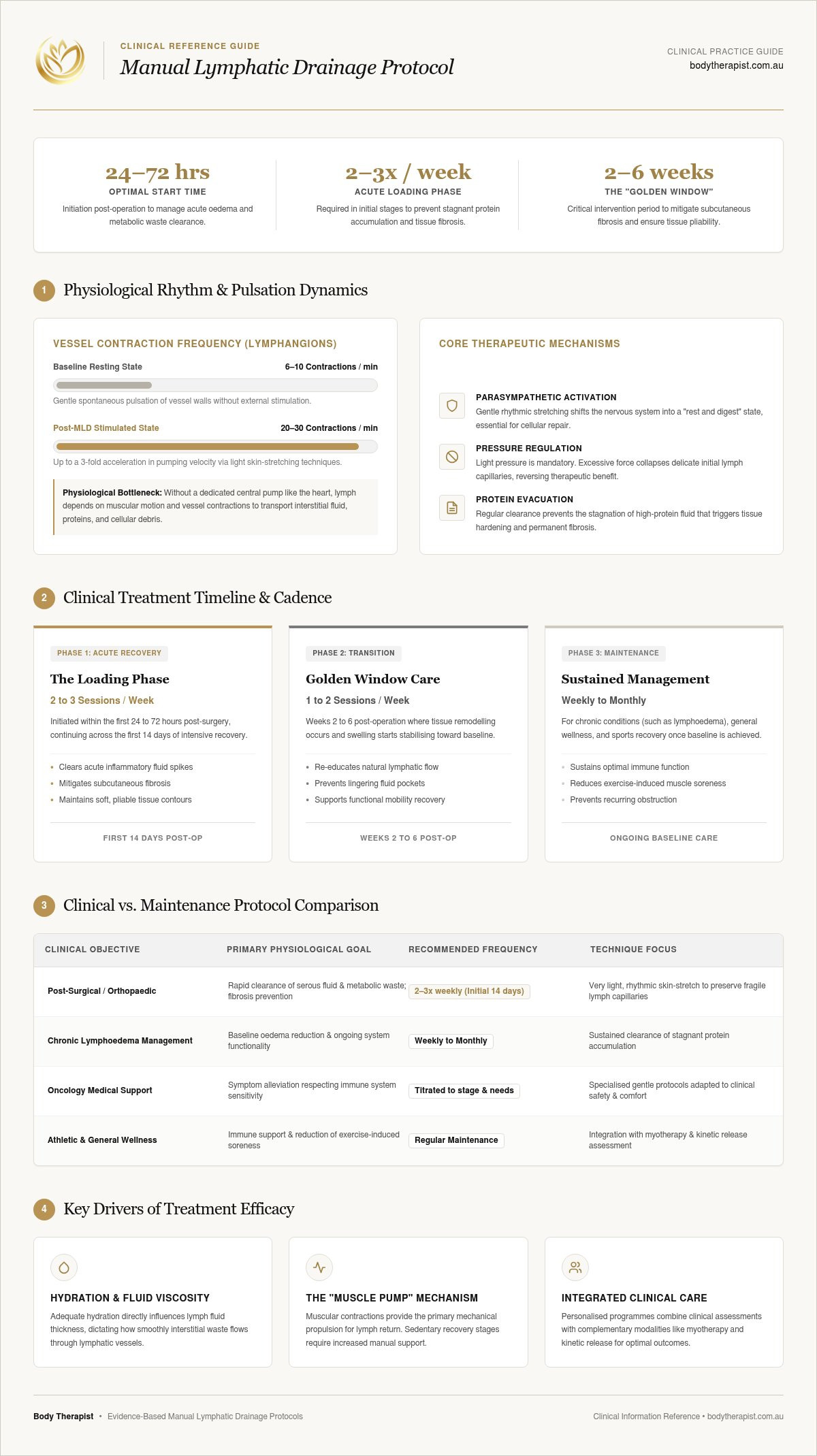
The lymphatic system operates as your body's secondary circulatory and waste-clearance network. It's a complex infrastructure of vessels and nodes designed to transport interstitial fluid, proteins, and cellular debris back into the bloodstream. Unlike your blood, which has a dedicated pump in the heart, lymph fluid moves through the gentle contractions of vessel walls and the movement of your muscles. When this system becomes sluggish or compromised, it leads to a physiological "bottlenecking" where fluid stagnates, causing the heavy, swollen sensation many experience after surgery or during chronic illness.
A primary factor in deciding how often should you get lymphatic massage is the duration of the lymphatic cycle itself. In a healthy state, lymphangions, the tiny pumps within the vessels, pulsate roughly 6 to 10 times per minute. Manual intervention is required when this rhythm fails to keep up with fluid production. By clearing these pathways frequently, we prevent the accumulation of stagnant proteins that can lead to tissue hardening or fibrosis. Regular sessions ensure the "bottleneck" is cleared, allowing the body's natural drainage mechanisms to function without obstruction.
The Biological Mechanism of Manual Lymphatic Drainage
Manual Lymphatic Drainage works by applying light, rhythmic skin-stretching techniques that stimulate the lymphangions to increase their pulsation rate to 20 or 30 contractions per minute. These manual lymphatic drainage techniques don't just move fluid; they also have a profound effect on the parasympathetic nervous system. This shift into a "rest and digest" state is essential for tissue repair. You'll find that consistency is far more important than pressure. Excessive force can actually collapse the delicate initial lymph capillaries, so a regular schedule of gentle treatments is the most effective way to manage systemic fluid levels.
Acute vs. Chronic Lymphatic Demands
Your treatment schedule must differentiate between acute recovery and chronic management. Following surgery or an injury, your body enters a high-demand state where inflammatory fluid production spikes. During this "loading phase," a manual lymphatic drainage massage may be required two to three times per week to clear the excess volume before it settles. This intensive approach is temporary but necessary to re-educate the system. For chronic conditions like lymphedema, the focus shifts to a "maintenance phase." Once we've achieved a baseline of reduced oedema, the question of how often should you get lymphatic massage usually settles into a cadence of once weekly or monthly to ensure the system remains functional and free of obstructions.
Clinical Protocols: Frequency for Post-Surgical and Medical Recovery
The period immediately following a surgical procedure represents a critical "Golden Window" for lymphatic intervention. During the first 2 to 6 weeks, your body's inflammatory response is at its peak, and the risk of developing subcutaneous fibrosis, or tissue hardening, is significantly elevated. Determining how often should you get lymphatic massage during this phase depends on the extent of the trauma and your individual rate of healing. Clinical protocols generally suggest that starting treatment within 24 to 72 hours post-operation is ideal for managing acute oedema. By adhering to a structured schedule, we can facilitate the clearance of serous fluid and metabolic waste, ensuring that the newly contoured tissues remain soft and pliable. This Cleveland Clinic guide to lymphatic drainage massage highlights how these interventions support the body's natural recovery pathways across various medical contexts.
For patients navigating medical recovery, particularly those managing cancer-related symptoms, the frequency of treatment is guided by safety and comfort. Understanding the oncology massage benefits is essential here, as specialized techniques can alleviate the discomfort of lymphoedema while respecting the delicate state of the immune system. In these cases, frequency is titrated based on the stage of treatment and the patient's immediate physiological needs.
The Intensive Recovery Phase
In the first 14 days following cosmetic or orthopaedic surgery, an intensive approach is often necessary. We typically recommend 2 to 3 sessions per week to prevent fluid stagnation. This high frequency is vital for reducing the risk of seromas, which are pockets of trapped fluid that can lead to secondary infections or prolonged swelling. As the initial inflammatory surge subsides, we gradually taper the frequency. Transitioning from intensive care to weekly monitoring allows us to track tissue turgor and ensure no late-stage fibrosis develops. If you are unsure about your specific recovery timeline, seeking professional clinical support can help clarify your needs.
Managing Lymphedema and Chronic Oedema
Chronic conditions require a different tactical approach known as Complex Decongestive Therapy (CDT). Phase 1, the intensive decongestion stage, may involve 3 to 5 sessions per week for up to 6 weeks. This phase works in tandem with medical gradient compression garments to maximize fluid reduction. Our lymphedema drainage massage protocols focus on moving fluid out of the affected limb before the patient transitions to Phase 2. Once the volume is stabilised, how often should you get lymphatic massage usually shifts to a maintenance cadence of once fortnightly or monthly to prevent flare-ups.
Maintenance and Performance: Frequency for General Wellness and Sports
Manual Lymphatic Drainage serves as a vital tool for physical optimisation beyond acute medical necessity. For those without underlying pathology, the question of how often should you get lymphatic massage shifts toward maintaining systemic homeostasis. Regular sessions support the immune system by ensuring lymph nodes remain uncongested, allowing for efficient pathogen filtration and metabolic waste removal. Even in a wellness context, we look to the National Cancer Institute's clinical protocols for lymphedema management to understand how essential consistent fluid movement is for overall physiological health.
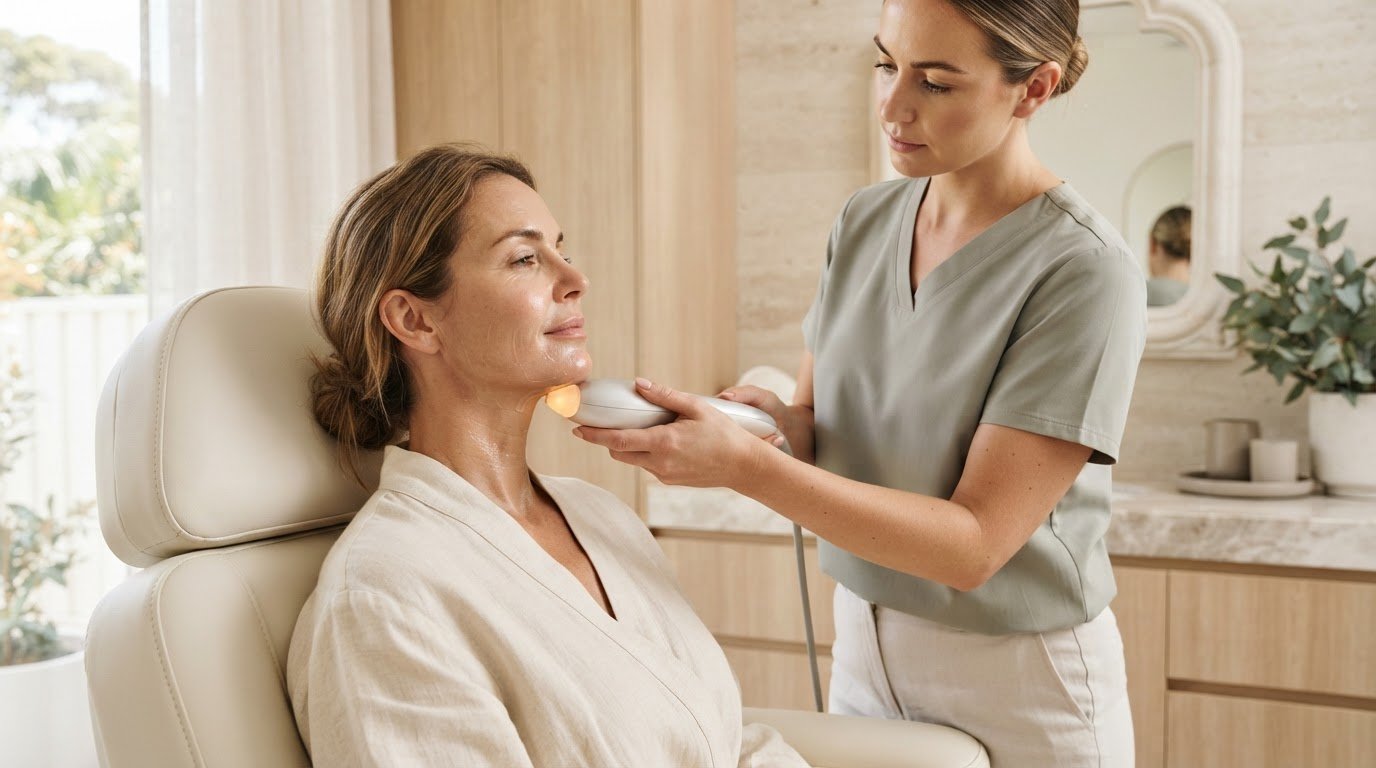
In the aesthetic register, MLD is essential for enhancing skin vitality and achieving a non-surgical facelift effect by reducing facial puffiness and improving nutrient delivery to the dermis. It also acts as a functional partner to non-surgical body contouring. When utilising Ultrasonic Fat Cavitation or RF Skin Tightening, the body must process destroyed adipocytes through the lymphatic network. Without frequent MLD sessions during a contouring course, the system can become overwhelmed, which significantly slows the visibility of your results.
The Monthly Wellness Rhythm
A monthly "reset" is generally considered the gold standard for maintaining a healthy lymphatic system. This frequency ensures that minor fluid accumulations from a sedentary lifestyle or high sodium intake are addressed before they cause systemic sluggishness. If your daily routine involves prolonged sitting or high stress, you might require more frequent intervention to maintain your baseline. Integrating MLD into a comprehensive clinical massage therapy plan allows for a multi-modal approach to structural and fluid health.
Athletic Recovery and Performance
Athletes often ask how often should you get lymphatic massage during heavy training blocks to maintain peak output. MLD accelerates the clearance of metabolic by-products like lactic acid, which reduces the duration of exercise-induced muscle soreness (DOMS). During peak competition seasons, a session every 7 to 10 days is often optimal to prevent the "heavy leg" sensation that can impede performance. For those dealing with myofascial restrictions alongside fluid retention, combining drainage with dry needling provides a superior recovery outcome by addressing neuromuscular tension and interstitial congestion simultaneously.
Factors that Influence Your Individual Treatment Schedule
The cadence of your clinical care is not a static decision; it is a dynamic response to your body's fluctuating physiological needs. Hydration levels directly impact the viscosity of your lymph fluid. When you are dehydrated, the lymph becomes thicker and more resistant to movement, which can diminish the efficacy of a treatment. Conversely, consistent physical activity assists the system through the "muscle pump" mechanism. Because the lymphatic network lacks a central pump like the heart, skeletal muscle contractions are essential for propelling fluid toward the nodes. Your activity level is a primary variable in determining how often should you get lymphatic massage to maintain optimal fluid balance.
Inflammatory triggers, such as high-sodium diets, chronic stress, and environmental pollutants, also increase the systemic fluid load. We assess these factors alongside tissue quality. If you experience a persistent sensation of "heaviness" or notice increased tissue density, these are clinical indicators of lymphatic draining needs. These physical signs suggest that your current schedule may need adjustment to prevent fluid stagnation from becoming a chronic issue.
Lifestyle and Environmental Impacts
Stagnation is frequently exacerbated by long-haul travel or sedentary desk work, where gravity causes fluid to pool in the lower extremities. Hormonal shifts also dictate temporary frequency increases. Many clients find that their requirements change during the menstrual cycle or throughout the stages of gestation. Clinical pregnancy massage is a specialised intervention used to manage gestational oedema. During these periods, we may recommend more frequent sessions to alleviate the discomfort of increased interstitial pressure and support vascular health.
Self-Monitoring Your Progress
You can actively monitor your progress using the "Pitting Test." By pressing your thumb firmly into a swollen area for five seconds, you can check for fluid retention; if a visible indentation remains after releasing, the oedema is significant. Tracking your energy levels and limb circumference between appointments provides valuable data on how often should you get lymphatic massage for your specific condition. If the "heavy" sensation returns earlier than expected, it is a clear physiological signal to increase your session frequency. If you have noticed persistent pitting or a loss of tissue elasticity, you can book a clinical assessment to recalibrate your treatment schedule and ensure your recovery remains on track.
Establishing Your Personalised Treatment Plan at Body Therapist
Body Therapist, led by Lee Carnegie, prioritises a results-oriented approach that begins with a comprehensive clinical assessment. This initial evaluation is crucial because we must establish your baseline lymphatic function before determining how often should you get lymphatic massage for your specific recovery journey. Unlike a generic service, our methodology integrates myotherapy and kinetic release to address the structural restrictions that often impede fluid flow. In your first session, we review your full medical history and perform a physical examination of tissue turgor and mobility. This ensures that the specialised MLD techniques applied are precisely calibrated to your body’s current rehabilitative stage, allowing for a seamless transition from acute relief to a long-term strategy for functional health.
The Clinical Consultation Process
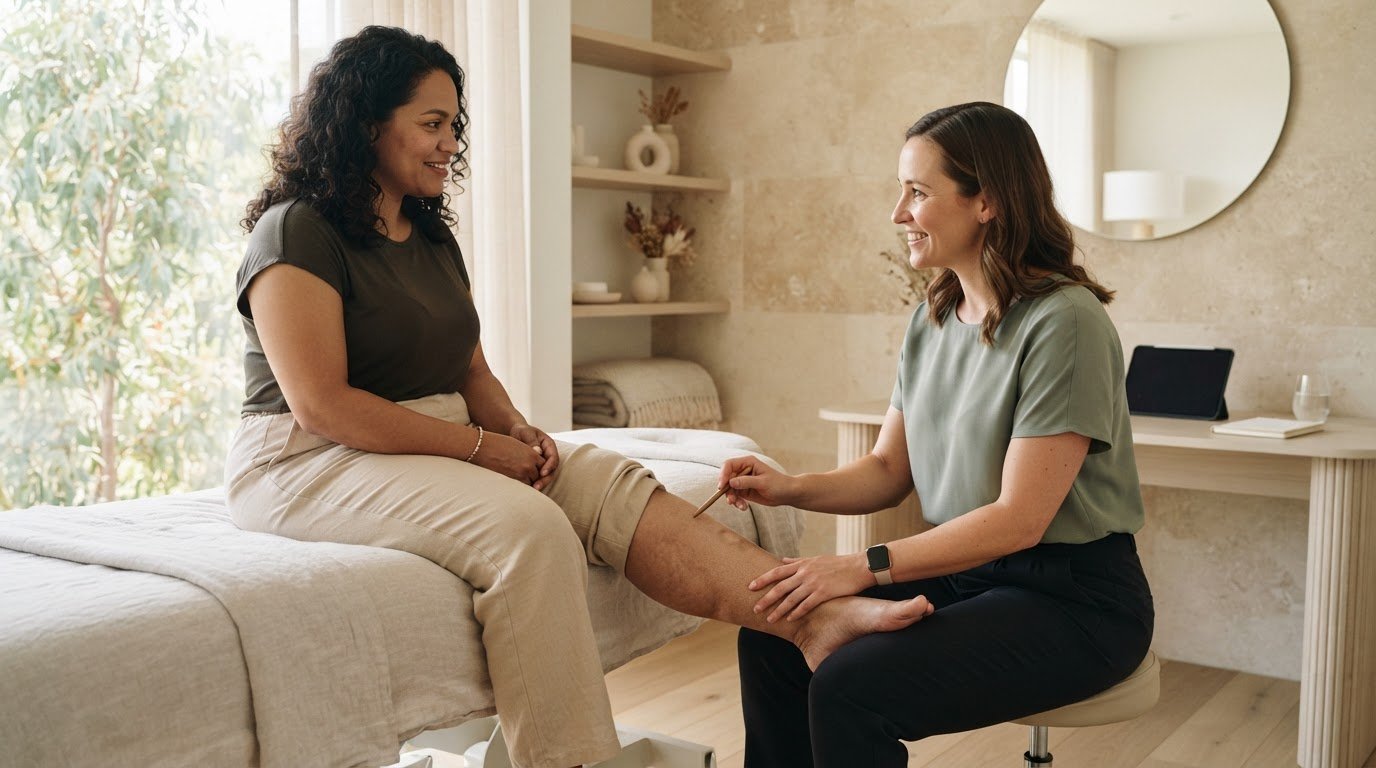
Our practitioners adopt a systemic perspective, examining the whole body rather than focusing solely on the area of visible swelling. We look for proximal blockages that might prevent distal drainage, ensuring the entire pathway is clear. During this phase, we establish realistic milestones for fluid reduction and tissue softening. You’ll receive a tailored plan that outlines the expected session cadence and self-care requirements. To maximise the biological impact of your first visit, it is essential to learn how to prepare for remedial massage. Proper preparation ensures your system is primed for the fluid shifts that occur during treatment.
A Commitment to Results-Oriented Care
There is a fundamental distinction between a relaxation-based "spa" treatment and the clinical MLD provided at our professional locations. Our focus remains strictly on physiological outcomes, such as reduced oedema, enhanced surgical healing, and improved lymphatic transport capacity. We utilise advanced anatomical knowledge to solve complex fluid management issues. When deciding how often should you get lymphatic massage, we advise you to listen closely to your body’s signals while consulting with a qualified practitioner. For those seeking comprehensive primary healthcare as a foundation for their recovery, Hatmed Medical Centre provides an example of the professional oversight necessary for long-term health. A methodical, evidence-based schedule is the most effective way to ensure lasting physical wellness and structural integrity.
Determining how often should you get lymphatic massage is a clinical decision based on your body's specific physiological demands and cellular turnover. We've explored how the "Golden Window" of post-surgical recovery requires intensive, frequent intervention to prevent fibrosis, while long-term wellness relies on a steady monthly rhythm to maintain systemic homeostasis. At Body Therapist, we move beyond the vague promises of a spa to provide an evidence-based clinical approach. Our qualified myotherapy expertise ensures that every stroke is anatomically precise and results-oriented.
By integrating specialised post-surgical recovery protocols with a deep understanding of the lymphatic cycle, we help you clear the path to faster healing and reduced oedema. Your recovery shouldn't be left to guesswork or conflicting online advice. Take the next step in your physical optimisation journey by securing a professional evaluation of your tissue health and fluid function.
Book your clinical lymphatic assessment with Body Therapist today to establish a roadmap for your long-term health. You deserve a body that feels light, functional, and fully supported.
Frequently Asked Questions
Can I get lymphatic drainage massage every day?
Daily sessions are generally reserved for the intensive Phase 1 of Complex Decongestive Therapy (CDT) for severe lymphoedema. For post-surgical recovery or general wellness, daily treatment is rarely required and may overwhelm the kidneys as they process the mobilised fluid. Most clinical protocols suggest 2 to 3 sessions per week during acute recovery to allow the body's filtration systems to keep pace with the increased fluid load.
How many sessions of lymphatic massage are needed for post-op results?
Most post-surgical patients require a series of 6 to 12 sessions to achieve optimal contouring and fluid reduction. The initial frequency starts at 2 to 3 times weekly during the first 21 days to prevent fibrosis and seromas. As the inflammatory response subsides, we taper the schedule. This cumulative approach ensures that the surgical site heals without the complications of stagnant interstitial fluid or tissue hardening. For those seeking collaborative, patient-centred care during their recovery, russellhealth.ca offers an excellent model of integrated wellness support.
Is once a month enough for lymphatic drainage?
Once a month is the gold standard for maintenance in healthy individuals with a functional lymphatic system. This "reset" helps clear metabolic waste and supports immune health. However, if you're recovering from surgery or managing chronic oedema, once a month isn't sufficient for the intensive clearance required. We recommend this frequency only after your baseline lymphatic function has been stabilised through a more frequent loading phase.
How long do the results of a single lymphatic massage last?
The physiological effects of a single session, such as increased lymphangiomotoricity, typically last for 24 to 48 hours. During this window, your vessels pulsate at an accelerated rate to clear fluid. This is why deciding how often should you get lymphatic massage is so important; frequent sessions during recovery build on this momentum, eventually re-educating the system to maintain a lower fluid baseline independently.
What happens if I get lymphatic drainage too often?
Receiving treatment too frequently without medical necessity can potentially overwork your renal system. Since the lymphatic system eventually discharges its volume into the venous circulation, your kidneys must filter the increased volume. In rare cases, this can lead to temporary fatigue or electrolyte imbalances. A qualified practitioner always titrates your schedule based on your tissue turgor and systemic health to ensure the fluid shift remains within safe, therapeutic limits.
How do I know if the lymphatic massage is actually working?
Success is measured by tangible physical changes rather than just relaxation. You should notice a significant reduction in limb circumference, a softening of the tissue, and a decrease in the "heavy" or tight sensation. Improved range of motion and more frequent urination immediately following the session are also clinical indicators that the fluid is being successfully mobilised and processed by your body's natural filtration systems.
Can I do lymphatic drainage on myself between appointments?
We often encourage specific self-drainage techniques to support your clinical sessions. While self-massage can't replace the precision of manual lymphatic drainage performed by a specialist, it helps maintain fluid movement between visits. We provide guidance on gentle skin-stretching strokes that follow the correct anatomical pathways. This home-care strategy is particularly effective when combined with professional monitoring to ensure your technique remains safe and functionally beneficial.
Does the frequency change if I am using fat cavitation treatments?
Yes, the frequency typically increases when integrating aesthetic procedures like Ultrasonic Fat Cavitation. These treatments break down adipocytes, which must then be cleared via the lymphatic system. To avoid systemic congestion and maximise your results, we recommend a session within 48 hours of each cavitation treatment. Your therapist will advise how often should you get lymphatic massage alongside your body contouring package to ensure the mobilised cellular debris is processed efficiently.

Comments