

How to Boost Collagen for Skin Tightening with Natural Methods and Microneedling

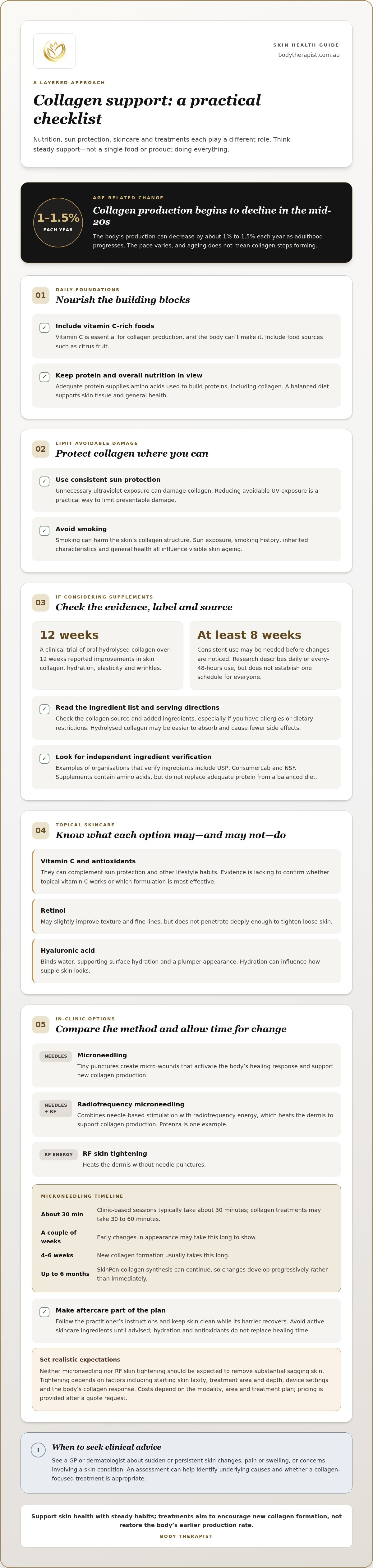
Firmer skin is supported by more than one lever. A practical approach to how to boost collagen for skin tightening combines collagen-supportive habits, such as balanced nutrition and sun protection, with treatments such as microneedling, which creates tiny punctures that prompt the skin’s natural healing response. Collagen production starts to decline in the mid-20s, so changes in skin firmness can reflect a gradual shift in the body’s own collagen supply.
If you’ve noticed looser or less elastic skin, it’s natural to look for ways to support its structure. The key is understanding collagen’s role and what different approaches can realistically do, rather than expecting one food or skincare product to do everything.
This guide explains collagen’s role in skin firmness, why levels decline with age, and how natural approaches and microneedling may support collagen production. You’ll also learn what to expect from these methods and how they differ, so you can make informed choices about your skin.
Table of Contents
1. Microneedling and collagen induction therapy
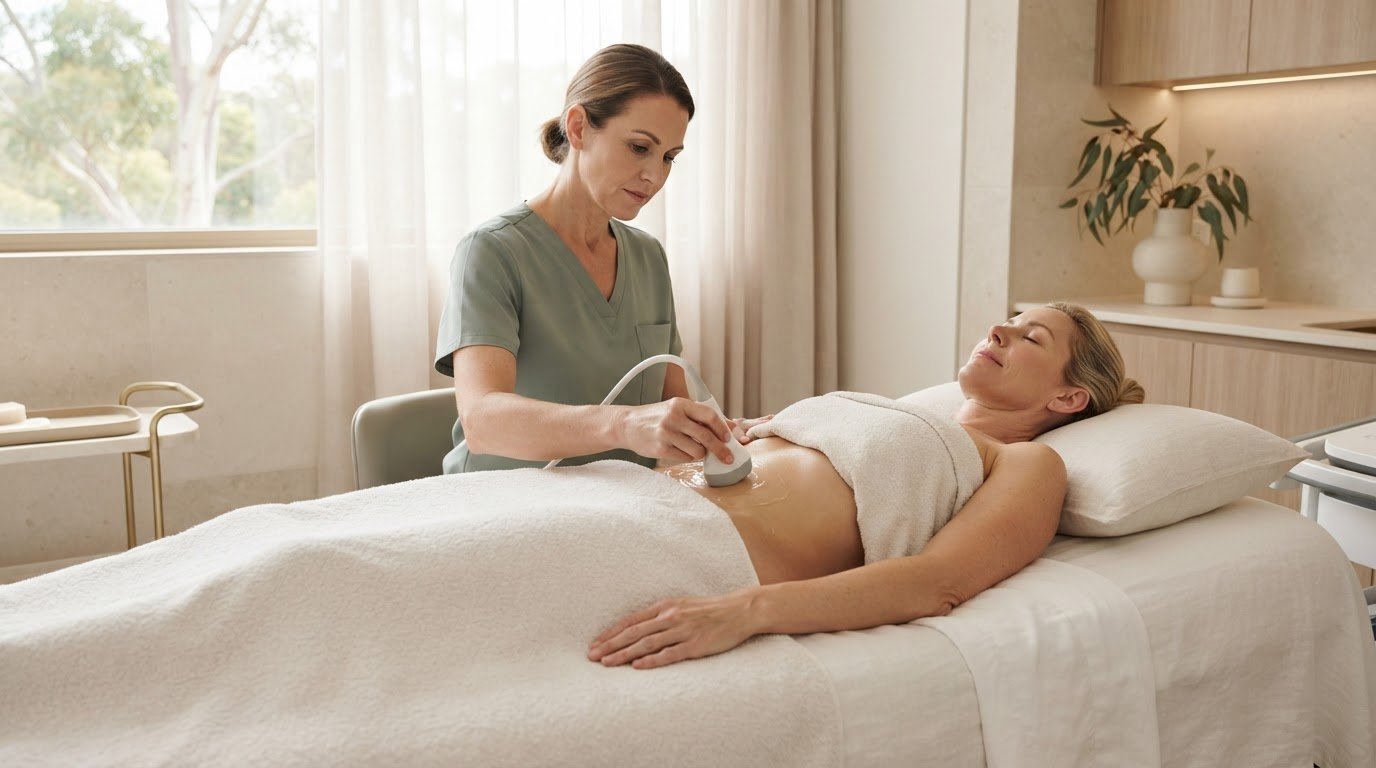
Microneedling creates tiny punctures through the skin barrier, producing micro-wounds that activate the body’s healing response. This collagen induction process signals tissue repair and supports new collagen production. Clinic-based sessions typically take about 30 minutes, while collagen treatments may take 30 to 60 minutes. Early changes in appearance may take a couple of weeks; new collagen formation usually takes 4 to 6 weeks.
Radiofrequency (RF) microneedling combines needle-based stimulation with RF energy, which heats the dermis to support collagen production. Potenza is one example: needles deliver energy into the tissue, with settings and treatment depth tailored to the area and skin concerns. RF Skin Tightening, by contrast, uses energy to heat the dermis without needle punctures. Neither approach should be expected to remove substantial sagging skin.
After clinic-based microneedling, follow the practitioner’s aftercare instructions and keep the skin clean while its barrier recovers. Avoid adding active skincare ingredients until advised; antioxidants and hydration can support a broader skin-care routine, but they don’t replace healing time. SkinPen microneedling collagen synthesis can continue for up to 6 months, so changes develop progressively rather than immediately.
The main inherent risk is temporary disruption of the skin barrier from the micro-wounds; recovery depends on needle depth, treatment area and aftercare. In Australia, treatment costs depend on the modality, treatment area and plan, with pricing provided after a quote request. The degree and duration of tightening depend on starting skin laxity, device settings, treatment depth and the body’s collagen response.
See a GP or dermatologist about sudden or persistent skin changes, symptoms such as pain or swelling, or concerns involving a skin condition. Their assessment can help identify underlying causes and whether a collagen-focused treatment is appropriate for your skin.
2. Can any natural methods boost collagen?
Nutrition and skincare can support skin health, but neither replaces the body’s repair processes. Vitamin C is essential for collagen production, and the body can’t make it, so it must come from food. Include vitamin C-rich foods, such as citrus fruit, alongside adequate protein and a balanced diet. These provide nutrients involved in maintaining skin tissue and general health.
Collagen supplements are another option. A clinical trial examined hydrolysed collagen taken orally over 12 weeks and reported improvements in skin collagen, hydration, elasticity and wrinkles. People may need at least 8 weeks of consistent use before noticing changes. Hydrolysed collagen may be easier to absorb and cause fewer side effects. Research also describes benefits when supplements were taken daily or every 48 hours, but this doesn’t establish one schedule for everyone.
Before choosing a supplement, read its ingredient list and serving directions, then look for independent ingredient verification. Organisations that verify ingredients include USP, ConsumerLab and NSF. Check the collagen source and any added ingredients, especially if you have allergies or dietary restrictions. Collagen contains amino acids, but supplements don’t replace adequate protein from a balanced diet.
For topical care, vitamin C and antioxidant skincare can complement sun protection and other lifestyle habits. However, evidence is lacking to confirm whether topical vitamin C works or which formulation is most effective. Retinol may slightly improve texture and fine lines, but it doesn’t penetrate deeply enough to tighten loose skin. Hyaluronic acid binds water, supporting surface hydration and a plumper appearance. For an in-clinic option alongside these habits, explore RF skin tightening.
3. Age-related collagen decline
Natural collagen production begins to decline in the mid-20s, although the pace varies between people. The body’s collagen production can decrease by about 1% to 1.5% each year as adulthood progresses. This gradual shift affects the formation and renewal of structural proteins in the skin. Over time, reduced support can contribute to fine lines, wrinkles and changes in firmness. Ageing doesn’t mean collagen stops forming; rather, its production and quality change.
Age is only one influence on visible skin ageing. Unnecessary ultraviolet exposure can damage collagen, and smoking can also harm the skin’s collagen structure. Skin changes therefore don’t follow the same timeline for everyone: sun exposure, smoking history, inherited characteristics and general health all play a part. Reducing avoidable UV exposure and avoiding smoking are practical ways to limit preventable collagen damage.
Daily habits support the conditions the body needs for tissue maintenance. A balanced diet with adequate protein supplies amino acids used to build proteins, including collagen. Vitamin C is essential for collagen production, so include foods that provide it in regular meals. If you’re considering how to boost collagen for skin tightening, these habits support skin health but won’t reverse age-related changes. Consistent sun protection matters too. Topical skincare can support the skin’s surface, but it can’t restore every structural change beneath it.
As collagen declines, skin can become less resilient, making expression lines and laxity more noticeable. Understanding how to boost collagen for skin tightening means recognising that treatments designed to stimulate collagen aim to encourage new formation through a controlled skin response, not restore the body’s earlier production rate. The effect depends on the method, skin condition and area treated. Downtime also varies with treatment intensity. Microneedling, for example, temporarily disrupts the skin barrier, so aftercare and recovery are part of the process. A realistic plan focuses on gradual change and ongoing skin protection.
4. How collagen supports skin firmness and elasticity
Collagen forms part of the skin’s structural framework, helping it maintain firmness and resist deformation. Elastin contributes stretch and recoil, while collagen supports the surrounding tissue. Changes in these structures can affect skin texture and elasticity, altering how lines and laxity appear. Hydration influences the skin’s surface appearance, but it doesn’t replace structural support. These processes are related, but their effects aren’t interchangeable.
Hyaluronic acid binds water, helping skin look plumper and more hydrated. This temporary fullness can soften the appearance of fine lines, but it doesn’t rebuild collagen. Apply a moisturiser containing hyaluronic acid to damp skin, then add another moisturising layer if needed. This simple skincare step supports hydration; it isn’t a collagen treatment or a way to tighten loose skin.
Food provides components the body uses for normal tissue maintenance. Vitamin C is essential for collagen production, so include sources such as citrus fruit, berries or capsicum in meals. Protein provides amino acids used to build body proteins, including collagen. A practical meal might pair eggs, fish, legumes or tofu with vegetables and fruit. Collagen supplements provide collagen-derived amino acids, but they don’t replace a varied diet or guarantee firmer skin.
Treatments designed to stimulate collagen act on skin tissue, while food and hydration support broader skin health. Results depend on the method and the skin’s response. Keep these roles distinct: drinking water supports hydration, topical hyaluronic acid helps hold moisture at the surface, and collagen-focused treatments target a repair response. Microneedling, for example, prompts healing through controlled micro-injuries, while other therapies work differently. No single food can reproduce a treatment’s effect.
If you’re considering a treatment alongside nutrition and skincare, explore low level laser therapy as part of a discussion about your skin and wellbeing needs.
Body Therapist: Manual Lymphatic Drainage Massage
Body Therapist offers Manual Lymphatic Drainage Massage to support lymphatic flow and manage fluid build-up, not to stimulate collagen or tighten loose skin. It may be relevant if swelling or lymphatic concerns affect comfort and movement. For lymphoedema-related needs, Lymphedema Therapy addresses a different concern from age-related changes in skin firmness.
Choose support based on the issue you want to address. Remedial Massage focuses on muscular discomfort and soft-tissue function, while Oncology Massage is tailored to the needs of people affected by cancer and its treatment. These services don’t replace collagen-focused skincare or treatments, but may suit separate therapeutic goals.
Contact Body Therapist to discuss which therapeutic service best fits your needs.
Choose a next step that fits your needs
A useful next step is to separate your skin goals from other concerns affecting comfort or movement. A plan for how to boost collagen for skin tightening should reflect what you want to change, your skin’s needs and the approach you feel comfortable pursuing. Keep any skincare or treatment routine manageable, and notice how your skin responds over time.
Body Therapist’s services address distinct therapeutic needs; they don’t replace collagen-focused care. Manual Lymphatic Drainage Massage and Lymphedema Therapy may suit lymphatic concerns, while Remedial Massage focuses on muscular discomfort and soft-tissue function. Choosing a service that matches your goal helps set clear expectations.
If you’d like to discuss which therapeutic support may suit your needs, contact Body Therapist for personalised advice. Take the next step at a pace that feels right for you, with a clear understanding of the outcome you’re seeking.
Frequently Asked Questions
What is collagen?
Collagen is a structural protein found throughout the body, including connective tissues that help provide support. It accounts for about 30% of the human body’s total protein content. In skin, collagen forms part of the framework that helps tissue maintain its structure. Its role isn’t limited to appearance, which is why changes in collagen can matter beyond visible skin ageing.
Can any natural methods boost collagen?
Healthy habits can support the processes involved in collagen production, but no single food or routine can restore skin to an earlier state. Include protein and vitamin C in regular meals, for example, and use sun protection to reduce avoidable UV exposure. If you’re considering supplements, review their ingredients and independent verification, and treat them as one part of your overall routine.
Do skin creams containing collagen get rid of wrinkles?
No. A cream containing collagen shouldn’t be expected to erase wrinkles or rebuild deeper skin structure. Moisturising ingredients can improve surface hydration, which may make skin look temporarily smoother or more supple. That visible effect is different from changing collagen levels within the skin. For a routine focused on texture, consider the product’s ingredients and how your skin tolerates them, rather than relying on a collagen label alone.
Does collagen have benefits aside from skin-tightening?
Collagen is a structural protein in the body, so its role extends beyond skin appearance. A clinical trial of oral hydrolysed collagen over 12 weeks reported benefits involving scalp and hair condition as well as skin measures. That finding relates to the supplement studied and doesn’t mean every collagen product produces the same effects. Consider your overall diet and health needs when deciding whether a supplement is suitable.
Which clinic treatments stimulate collagen?
Microneedling, fractional laser and radiofrequency treatments can stimulate collagen production through different methods. RF Skin Tightening uses energy to heat the dermis and support collagen production. The right approach depends on the concern, the area and the skin’s condition. These treatments aren’t interchangeable, so discuss the intended outcome and method before deciding what suits your needs.
What is collagen and how does it affect skin firmness and elasticity?
Collagen is one part of the skin’s structural support system. It helps skin maintain firmness, while elasticity also depends on other components and the condition of the tissue. Hydration can affect how plump skin appears, but it doesn’t provide the same structural support. This explains why moisturising may change the skin’s surface appearance without correcting deeper laxity.


Comments