

4 Summer Questions About Lymphedema, Answered

Heat can worsen swelling by widening blood vessels and increasing fluid in affected tissues. If you’re managing lymphedema in hot weather, the general advice is to keep wearing prescribed compression unless your treating practitioner recommends otherwise, while taking practical steps to stay cool. Summer doesn’t have to mean abandoning your usual routine.
If compression feels less comfortable or swelling seems more noticeable on hot days, the change can be frustrating. Thoughtful adjustments to clothing, activity and skin care can help you manage the effects of heat while protecting the affected limb.
This guide answers four common summer questions: how to approach compression, why heat may affect swelling, how to care for vulnerable skin, and what to consider before exercising or swimming. You’ll find practical ways to adapt your routine, as well as signs that call for prompt medical attention.
Table of Contents
1. Should you still wear compression in summer?
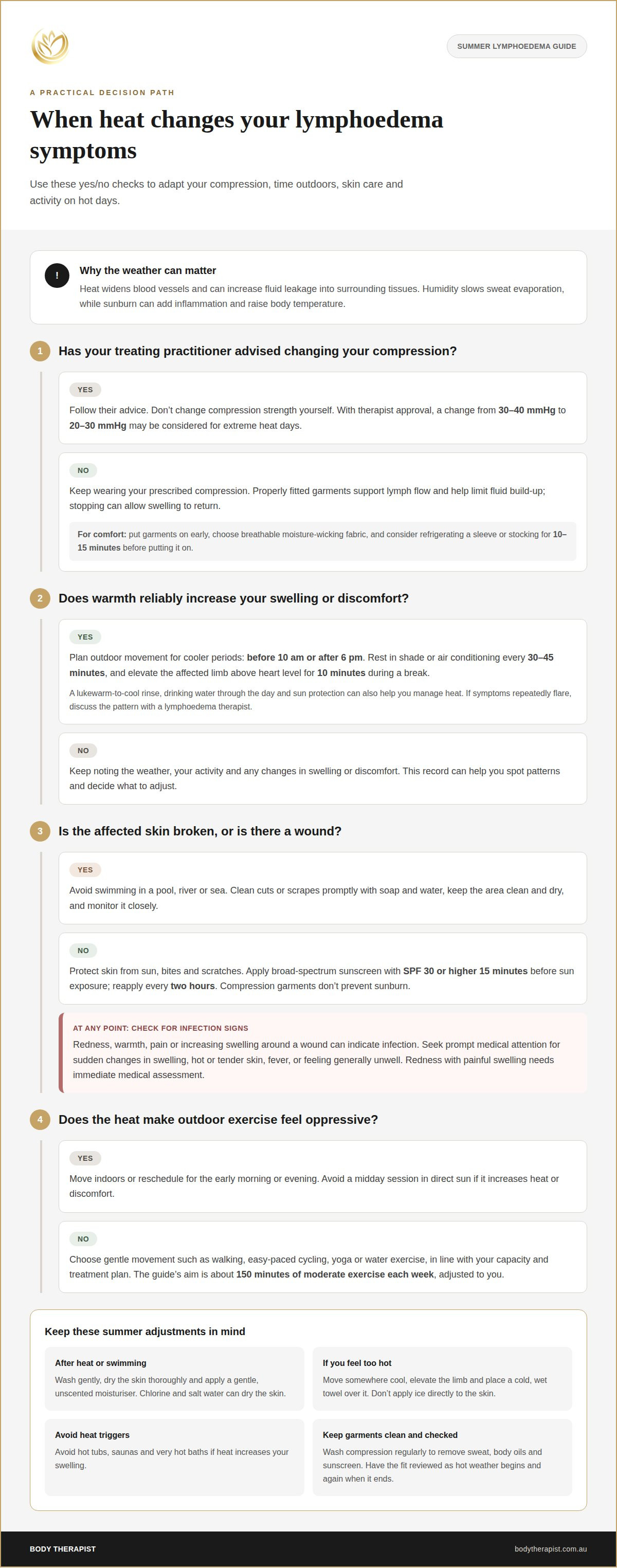
Usually, yes. Keep wearing your prescribed compression garments in summer unless your treating practitioner advises otherwise. Properly fitted compression supports lymph flow and helps limit fluid build-up; stopping can allow swelling to return. Choose garments recommended by your lymphoedema practitioner or doctor, as a poor fit can worsen symptoms. Light, loose clothing over compression can help in warm weather.
For comfort, put garments on early, when swelling is often lower. Breathable, moisture-wicking fabrics can help you stay cooler and drier. You can also refrigerate a sleeve or stocking for 10–15 minutes before putting it on. Don’t change compression strength yourself: with therapist approval, a change from 30–40 mmHg to 20–30 mmHg may be considered for extreme heat days.
Clean compression garments regularly to remove sweat, body oils and sunscreen. In Australia, have the fit reviewed as hot weather begins and again when it ends, since changes in swelling can affect how a garment fits. There’s no single replacement date that suits everyone; fit and condition guide whether a garment needs replacing.
During treatment, compression bandages or wraps may need to stay on day and night for 24 hours. If using a cooling pack with compression, keep it above 55°F (13°C), and wrap it in cloth or place it in a garment pocket. This reduces direct skin contact with the cold pack.
For air travel, wear your compression garment and keep it on for two hours after landing. In Australia, a GP referral under a chronic condition management plan may make you eligible for a Medicare rebate for up to 5 visits a year with a lymphoedema practitioner. State and territory subsidy schemes may also cover some or all of compression garment costs.
2. Does heat really make lymphedema worse?
Yes. Hot weather can increase swelling and make an affected limb feel heavier, tighter or uncomfortable. Heat widens blood vessels, which can increase fluid leakage into surrounding tissues. Humidity slows sweat evaporation, trapping body heat and making it harder to cool down. Sunburn can add inflammation and raise body temperature, further aggravating symptoms.
Temperature extremes can also affect lymphatic flow. Temperature extremes may affect lymphedema symptoms and contribute to fluid accumulation. This helps explain why symptoms can change with conditions. When managing lymphedema in hot weather, note whether warmth reliably affects your swelling, then discuss the pattern with a lymphoedema therapist.
Plan outdoor movement for cooler periods, such as before 10 am or after 6 pm. During an outing, rest in shade or air conditioning every 30–45 minutes. Elevate the affected limb above heart level for 10 minutes during a break. A quick lukewarm-to-cool rinse can help lower skin temperature. Keep drinking water through the day, and use sun protection to reduce sunburn risk.
Avoid hot tubs, saunas and very hot baths if heat increases your swelling. Heat may also be unsuitable with an active skin infection, dry or damaged skin, recent radiation therapy, or a history of blood clots. If you feel too hot, move somewhere cool, elevate the limb and place a cold, wet towel over it. Don’t apply ice directly to the skin.
Track the weather, activity and any change in swelling or discomfort. This record can help you identify what to adjust when managing lymphedema in hot weather. If symptoms repeatedly flare in heat, a lymphoedema therapist can review your plan, including whether Lymphedema Therapy could support your ongoing care.
3. How do I keep my skin safe in summer?
In hot, humid weather, clean and dry the affected area, moisturise daily, and protect it from sun, bites and scratches. Skin affected by lymphoedema is more vulnerable to infection because fluid accumulates in the tissues. Even a small break can let bacteria enter, so keeping skin intact supports comfort and helps protect lymphatic drainage and vessels.
Before going outdoors, apply broad-spectrum sunscreen with SPF 30 or higher. Choose a fragrance-free product if your skin is sensitive, and apply it 15 minutes before sun exposure. Reapply every two hours, including when you’re mostly in the shade. Compression garments don’t prevent sunburn. Use insect repellent, and cover exposed skin where practical to reduce bites and scratches.
After a hot day or swim, wash gently, dry the skin thoroughly and apply a gentle, unscented moisturiser. Chlorine and salt water can dry the skin, so moisturise after swimming too. Avoid entering a pool, river or sea if the affected limb has an open sore or skin break. Wear footwear around pools and beaches to reduce cuts from rough surfaces.
If you get a cut or scrape, clean it promptly with soap and water, then monitor it closely. Treat insect bites straight away and avoid scratching, which can create another break in the skin. Keep the area clean and dry. Watch for redness, warmth, pain or increasing swelling around a wound. These can indicate infection, including cellulitis, which may develop quickly in affected skin.
Seek prompt medical attention for sudden changes in swelling, hot or tender skin, fever, or feeling generally unwell. Redness with painful swelling can also signal cellulitis and needs immediate medical assessment. Don’t wait for symptoms to settle on their own. Early treatment matters, particularly if you’ve had cellulitis before, as one episode increases the risk of further infections.
4. Exercise and water-based activity
Regular movement helps support lymph flow, but in summer, timing matters. Choose a gentle walk or workout in the early morning or evening, when temperatures are cooler. A midday session in direct sun can increase heat and discomfort, so move indoors or reschedule if conditions feel oppressive.
Aim for about 150 minutes of moderate exercise each week, adjusting the activity to your capacity and treatment plan. Walking, cycling at an easy pace, yoga and deep breathing are options. These activities engage muscles and joints, helping the body’s natural lymphatic system activity. Start gently and build a repeatable routine rather than pushing through increasing heaviness or swelling.
For exercise, wear your prescribed compression sleeve or stocking if that’s part of your plan. Compression supports the affected limb during movement, and a correct fit is important for comfort and function. Your treating therapist can help align activity with your compression technique and lymphoedema therapy, especially if symptoms change after exercise.
Swimming and water aerobics offer ways to move while staying cool. Water can provide gentle external pressure around the limb, alongside the muscle action created by movement. Choose a comfortable water temperature rather than ice-cold water, and leave the pool if you begin feeling chilled or unwell. Afterward, dry the skin and garment thoroughly.
Plan the practical details before heading out: carry water, choose breathable clothing, and take shade breaks during outdoor activity. Insect repellent can help reduce bites on exposed skin during walks or garden exercise. If swelling or discomfort increases, stop, cool down and elevate the affected limb. For personalised guidance on activity and lymphatic support, discuss your movement goals.
Body Therapist: Manual Lymphatic Drainage Massage
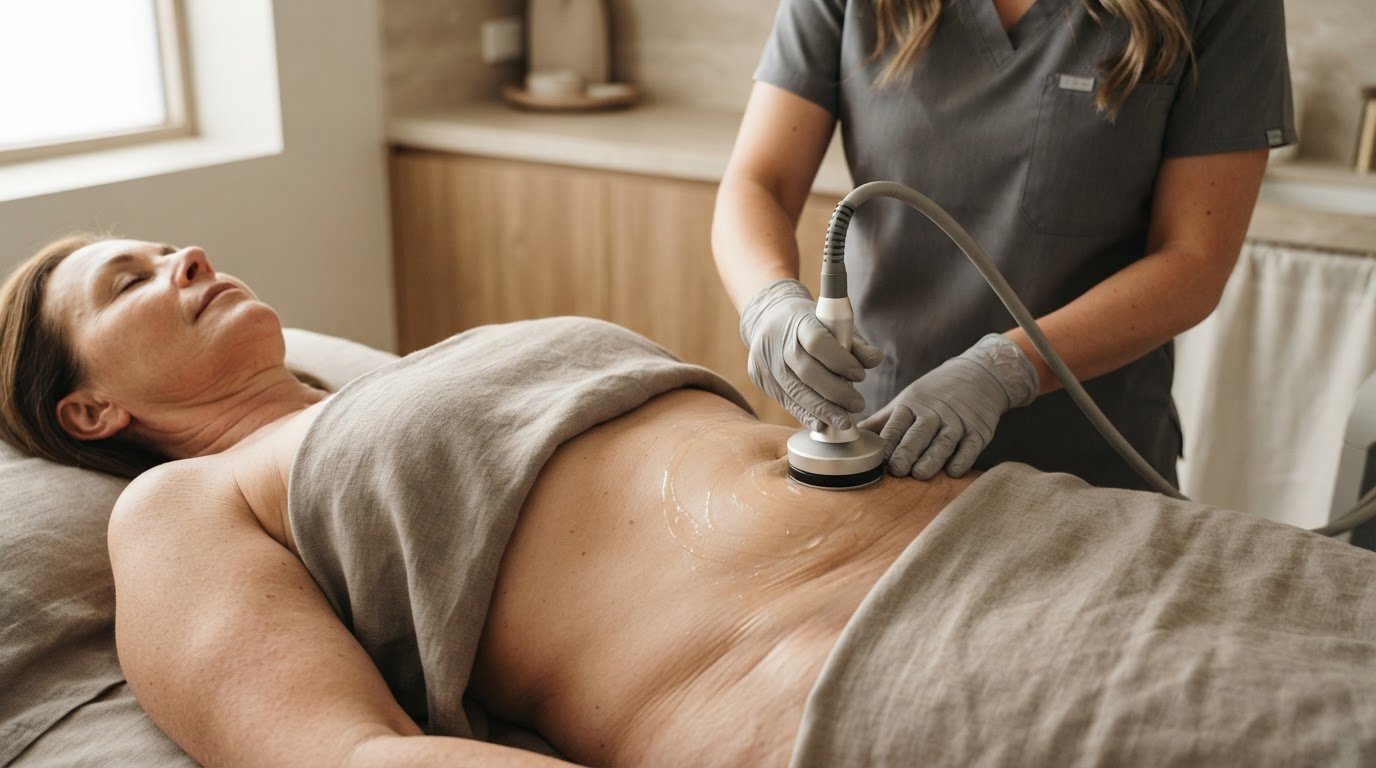
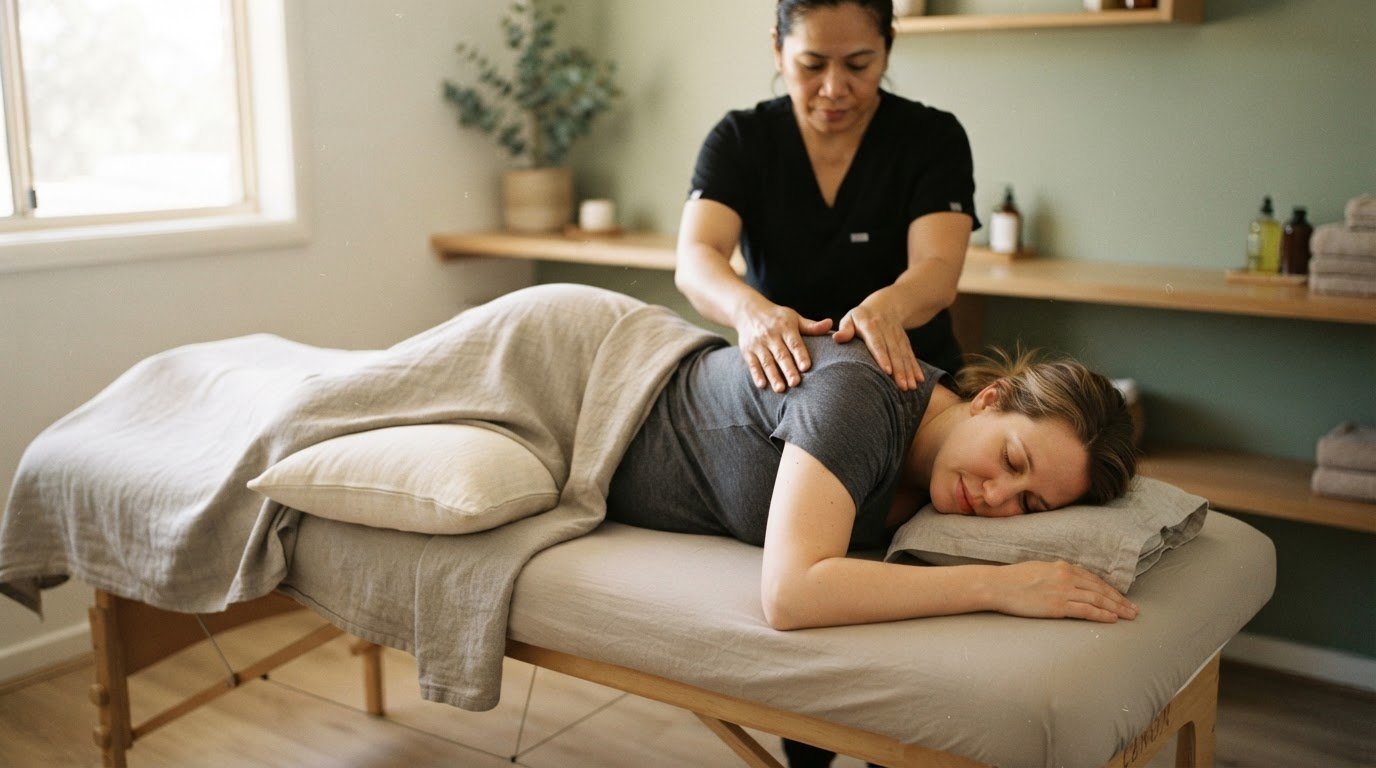
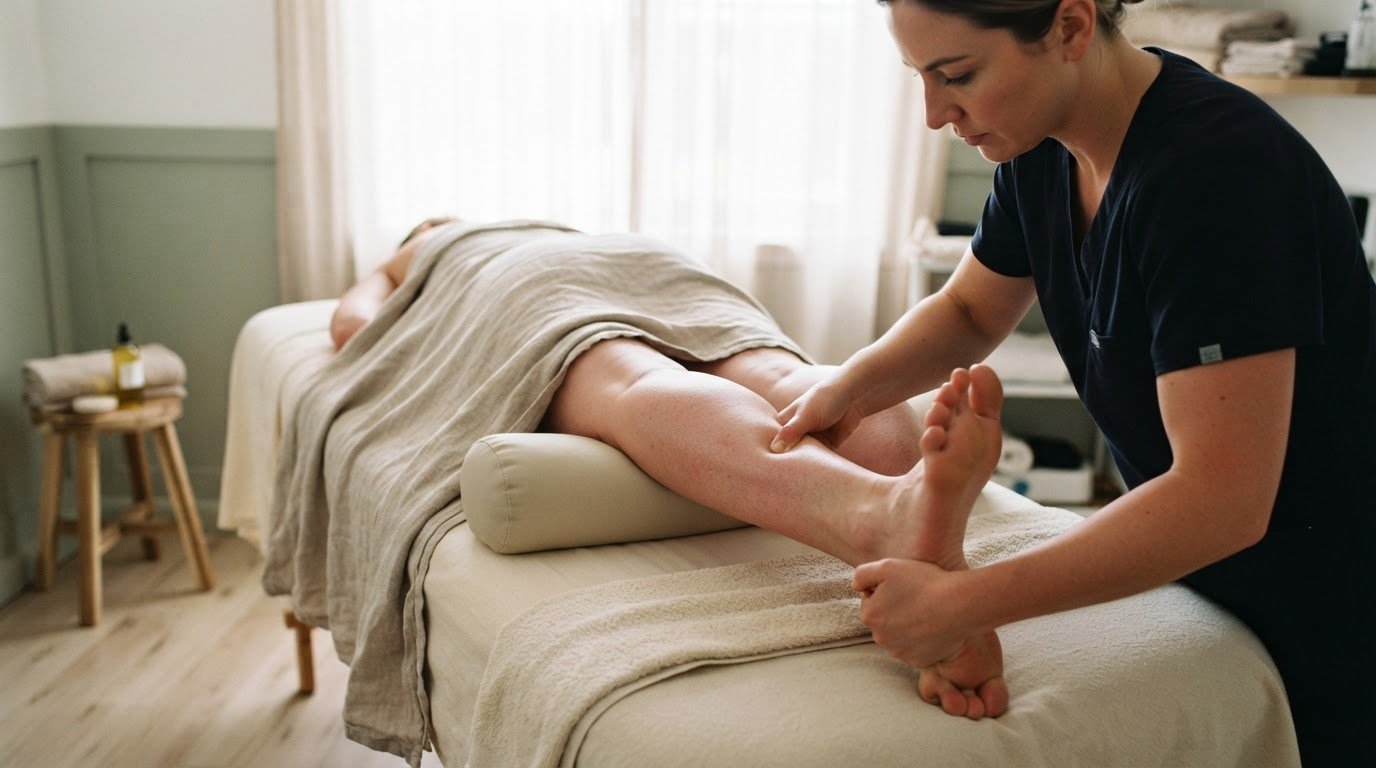
Body Therapist’s Manual Lymphatic Drainage Massage uses a specialised, gentle technique to help move lymph fluid from an affected area. Consider this support if swelling or discomfort makes your summer routine harder to manage, or if you’d like help maintaining your lymphoedema care plan. Lymphedema Therapy can also support ongoing management alongside prescribed compression and movement.
Massage isn’t a substitute for medical assessment. If you notice sudden swelling, redness, warmth, pain or fever, seek prompt medical attention, as these can signal infection. If swelling changes without signs of infection, a therapy session can give you space to discuss your symptoms and management needs.
Contact Body Therapist to discuss Manual Lymphatic Drainage Massage or Lymphedema Therapy.
Build a summer plan that works for you
Managing lymphedema in hot weather is less about following a perfect routine and more about recognising what helps you stay comfortable and active. Use what you’ve learned to shape a flexible plan around your usual commitments, whether that means changing when you exercise or preparing differently for a day outdoors.
Before the next heatwave or holiday, consider what support would make your routine easier to maintain. A discussion with a practitioner can help you think through changes in symptoms, treatment needs and everyday activity, rather than making adjustments in the middle of a difficult day. If you’d like guidance tailored to your lymphoedema care, contact Body Therapist for support.
Small, considered adjustments can help you approach summer with greater confidence. Keep building a routine that supports your comfort and the activities that matter to you.
Frequently Asked Questions
Does heat really make lymphedema worse?
Yes, heat can increase swelling and make an affected limb feel heavier or more uncomfortable. Notice whether symptoms change after a warm commute, gardening or time outdoors, then adjust the timing or setting of that activity. Humidity can make cooling harder because sweat evaporates more slowly. Repeated flare-ups are useful information to discuss with your treating practitioner.
Are hot tubs and saunas safe with lymphedema?
Hot tubs and saunas can aggravate swelling, so avoid them if heat worsens your symptoms. Very hot baths and showers can also expose the affected area to prolonged heat. Choose a comfortably cool shower instead, and leave a warm environment if your limb starts feeling tight or heavy. Take extra care with heat exposure if you have a history of blood clots or an active skin infection.
How do I keep my skin safe in summer?
Protect the affected skin from sunburn, bites and small cuts, which can become entry points for infection. After a beach visit, rinse away salt or sand, dry carefully between the toes and around skin folds, then moisturise. Use insect repellent outdoors and avoid scratching bites. If a wound develops redness, warmth, pain or increasing swelling, seek prompt medical attention.
Should you still wear compression in summer?
Usually, continue wearing the compression prescribed for you unless your practitioner advises a change. A garment that slips, digs in or leaves new pressure marks may no longer fit well, particularly if limb size has changed. Don’t cut, roll or alter it to make it cooler. Ask your lymphoedema practitioner to review the fit and compression level instead.
Should compression garments be worn in hot weather, and how can they be made more comfortable?
Yes, prescribed garments are generally still worn in hot weather. For a cooler routine, put the garment on early, choose breathable fabric and wear loose clothing over it. Briefly refrigerating a sleeve or stocking before putting it on can also help. Keep spare garments clean and dry if you’ll be out for the day, and follow the care instructions supplied with your garment.
How should people with lymphedema stay hydrated and keep cool in summer?
Sip water throughout the day; the summer guidance suggests 2–3 L daily, with more on very hot days. Carry a bottle when outdoors and take breaks in shade or air conditioning. A cool, rather than ice-cold, rinse can help lower skin temperature. Go easy on very salty foods and alcohol, which can work against a comfortable summer routine.
Comments