

Wedding prep body contouring: treatments for cellulite and firmer skin

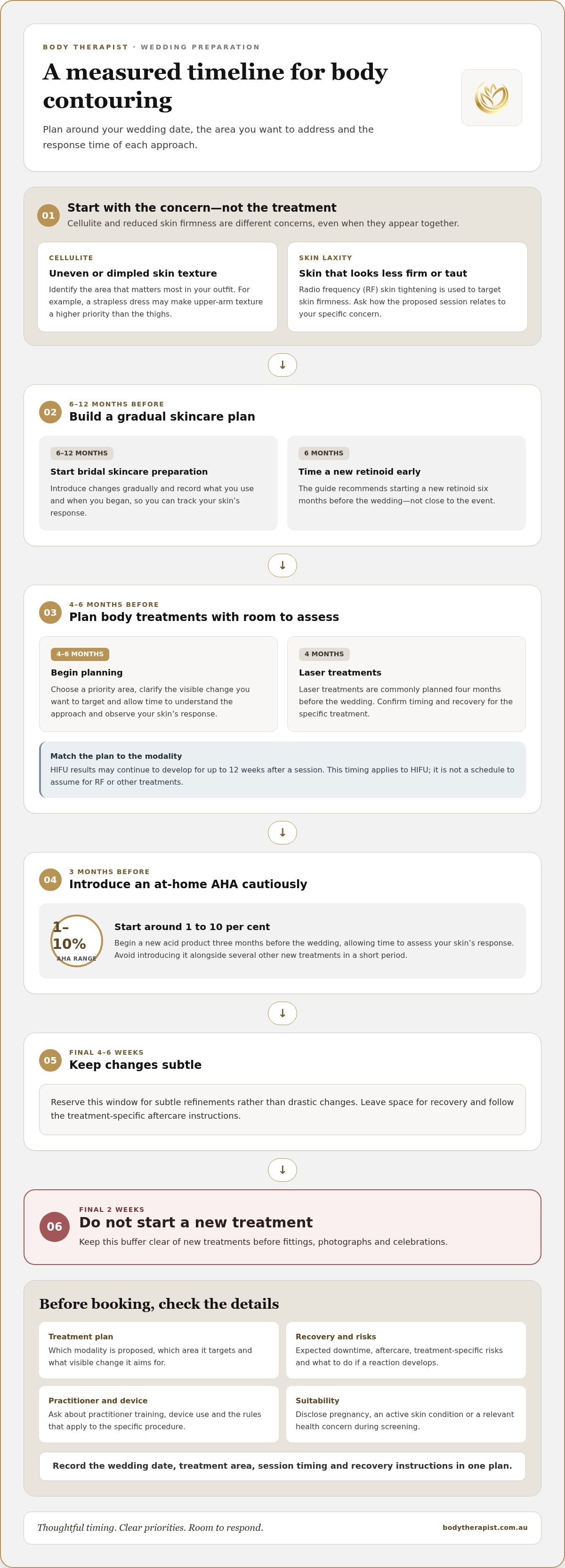
The most effective wedding prep body contouring starts well before the final dress fitting: begin planning 4 to 6 months before the wedding, and avoid starting new treatments during the final two weeks. Keep the final 4 to 6 weeks for subtle refinements rather than drastic changes. A steady plan gives you time to consider suitable options without relying on last-minute treatment.
It’s understandable to want smoother-looking skin and a firmer feel for your wedding day, while also knowing what each treatment can realistically do. This guide explains how cellulite treatments, skin tightening, ultrasonic fat cavitation and radio frequency may fit into body-contouring preparation, and how to plan practical bridal self-care.
You’ll find an overview of treatment timing and how different approaches compare, along with guidance on building a measured routine around your priorities. The aim is to help you plan thoughtfully, understand what each option targets and feel prepared for the weeks before your celebration.
Table of Contents
1. Cellulite treatment
Cellulite often appears as dimpling or uneven skin texture, especially across the thighs and buttocks. It can also affect the tummy, upper arms and back, and its appearance varies between people. Start by identifying the area that matters most in your wedding outfit. For example, a strapless dress may make upper-arm texture a higher priority than the thighs.
Cellulite treatments address different features, so the right approach depends on your concern. Some focus on skin firmness; others aim to change the appearance of localised contours. Neither goal is the same as changing your complexion, and a smoother-looking surface shouldn’t be treated as a guaranteed outcome. Ask what visible change a treatment is designed to target, and how that relates to your chosen area.
Build a bridal body-contouring treatment plan around your wedding date, not a last-minute appointment. Begin planning 4 to 6 months before the wedding, leaving time to understand the approach and observe how your skin responds. Laser treatments are commonly planned four months before the wedding. Keep the final 4 to 6 weeks for subtle refinements, rather than introducing a major change.
Timing matters because treatments may involve downtime or temporary skin changes. Avoid starting a new treatment during the final two weeks before the wedding, leaving a practical buffer before fittings, photographs and celebrations. Before adding a treatment to your schedule, note its target area, expected recovery and aftercare steps.
Are Australian body contouring clinics and practitioners subject to specific regulations? Yes, but requirements depend on the treatment, equipment and state or territory. Ask how the practitioner’s scope, device use and advertising rules apply to the specific procedure, rather than relying on the broad label “body contouring”.
What are the risks and side effects of body contouring treatments? They vary by modality and can include discomfort, skin irritation or an unwanted change in appearance. Before proceeding, get a clear explanation of treatment-specific risks, aftercare and what to do if a reaction develops.
Who is a suitable candidate for body contouring, and who should avoid it? A suitable candidate has a defined area of concern and realistic expectations about cosmetic change. Pregnancy, an active skin condition or a relevant health concern may affect suitability, so disclose these during screening before treatment.
What should you ask a body contouring clinic before booking in Australia? Ask which modality is proposed, which area it targets, what results it aims for, and what downtime or aftercare to expect. Also ask about practitioner training, device use, risks and how the plan may change if your skin reacts.
For your wedding preparations, record the date, treatment area and recovery instructions in one plan. Review it before booking each step, and leave the final two weeks free of new treatments. This keeps decisions focused on skin texture, comfort and the look you want for the day.
2. Skin tightening and cellulite reduction
Skin laxity and cellulite can appear together, but they describe different concerns. Cellulite creates an uneven surface; reduced firmness can make skin look less taut. A sculpting plan should name the priority area and the change you want to see, such as firmer-looking skin on the upper arms or smoother-looking thighs. This makes it easier to compare treatments by purpose, rather than broad promises.
Radio frequency (RF) skin tightening is used to target skin firmness. Its role differs from a treatment aimed at changing body contours, so ask how the proposed session addresses your concern. RF Skin Tightening may suit a focus on skin firmness. Discuss the area, treatment process and expected recovery before adding a session to your bridal schedule.
Some technologies have a longer response timeline. HIFU results may continue to develop for up to 12 weeks after a session, so a late appointment may leave little time to observe the change before your wedding. That timing is specific to HIFU; it isn’t a schedule to apply automatically to RF or other treatments. Plan around the modality and your wedding date.
Uneven pigmentation is a separate skin concern from cellulite or laxity. Keep skin preparation focused: note where pigmentation appears, what products you already use, and whether your complexion changes after introducing something new. If using an at-home AHA product, start around 1 to 10 per cent. Begin a new acid product three months before the wedding, allowing time to assess your skin’s response.
A longer preparation window gives you room to introduce skincare gradually. Start a bridal skincare plan 6-12 months before the wedding. A new retinoid is recommended six months before the date, rather than close to the event. Record each product and when you began using it. This simple step helps you identify which change may have affected your skin’s texture.
Keep facial appointments predictable. A final facial is recommended one week before the wedding, giving you time to see how your skin responds before the ceremony. Avoid combining a new facial, acid product and body treatment within the same short period. Staggering changes makes it easier to track your skin’s response and protect your preparation timeline.
For a practical plan, write down the wedding date, target area, treatment type and session timing. Leave space for recovery and avoid scheduling a new approach close to the celebration. If you’re considering RF for firmness, explore RF skin tightening as one option to discuss within your body-contouring plan.
If you’re considering RF, keep the goal specific to skin firmness. The guide recommends facial sculpting focused on the mid-face and jawline to softly balance facial features. Treat these as distinct priorities when planning which areas you want to address.
3. Cavitation and radio frequency
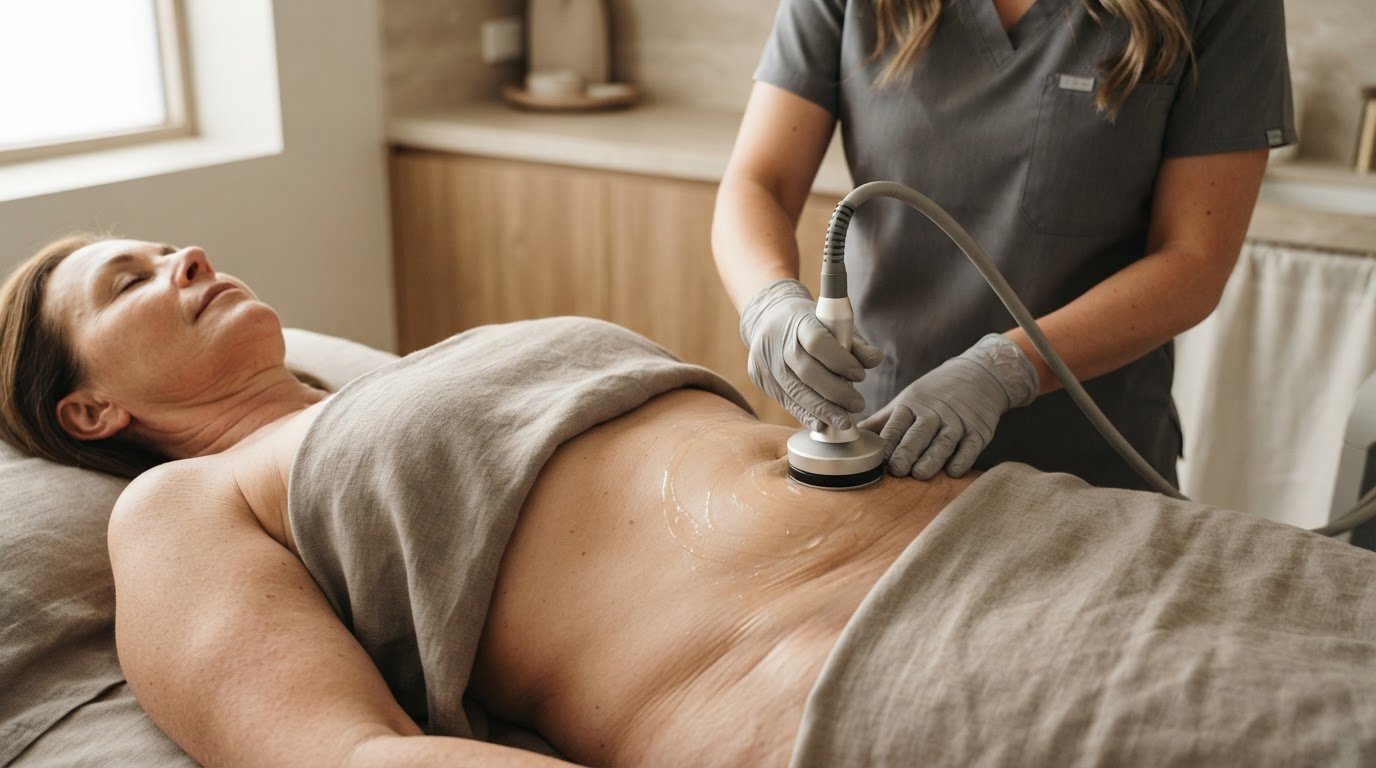
Cavitation and radio frequency (RF) are different approaches, so brides should match the method to their main concern. Ultrasonic cavitation is associated with body contouring, while RF is used for skin tightening. These treatment labels aren’t interchangeable. Start by describing your goal clearly, such as addressing a localised contour or improving the appearance of skin firmness.
Before booking, ask what the proposed treatment is designed to address and which area it will focus on. A practitioner should be able to explain the method in plain language, including what the session involves and what changes it aims to produce. Ask how long the appointment takes, what preparation is needed and whether aftercare applies. These answers help you compare options by purpose, rather than by appealing treatment names.
Think about treatment timing as part of the wedding timeline. Planning can begin 4 to 6 months before the wedding, leaving room to consider a suitable approach and track your response. Keep the final 4 to 6 weeks for subtle refinements. Avoid starting a new treatment during the final two weeks, when an unexpected skin response could disrupt fittings or celebrations.
Don’t assume every technology follows the same response schedule. HIFU results may continue to develop for up to 12 weeks after a session. HIFU is distinct from cavitation and RF, so that timeframe shouldn’t be transferred to either approach. Ask about the expected response period for the specific modality being discussed, then work backwards from your wedding date.
For a practical comparison, write down three details for each option: the concern it targets, the body area involved and the recovery guidance. For example, if your concern is skin firmness across the abdomen, ask whether the proposed approach is intended for tightening or contour change. If another area, such as the thighs, is your priority, ask how the plan addresses that region.
Before committing to a session, ask how the practitioner will assess your goals and what factors could change the plan. Mention relevant health information and any recent skin treatments. Discuss likely discomfort, possible side effects and what to do if your skin reacts. Clear answers help you make an informed choice without relying on a promise of a particular result.
Record the modality, appointment date and aftercare instructions in one place. This makes it easier to avoid conflicts with dress fittings, travel or other wedding commitments. A considered booking plan gives each treatment a defined purpose and keeps skin-tightening or contouring decisions aligned with your priorities.
4. Bridal beauty preparation and self-care
Build bridal beauty preparation around your wedding date, then add skincare changes gradually. A skincare plan can start 6-12 months before the wedding, giving you time to notice how your skin responds. Keep a simple record of products, treatment dates and changes in texture. This is especially useful when photos, dress fittings and other appointments already fill your calendar.
Introduce active products with care. If you’re considering an AHA product at home, start around 1 to 10 per cent. Begin a new acid product three months before the wedding, so you can assess your skin’s response. A new retinoid is recommended six months before the date. Avoid starting several unfamiliar products together, which makes it harder to identify the cause of irritation.
A facial can be part of your preparation, but avoid making the final appointment an experiment. Schedule it one week before the wedding. If you’re considering microneedling or another procedure, discuss its purpose, recovery and timing during a consultation well before booking. Avoid placing an unfamiliar treatment close to wedding photos, when temporary redness or sensitivity could be unwelcome.
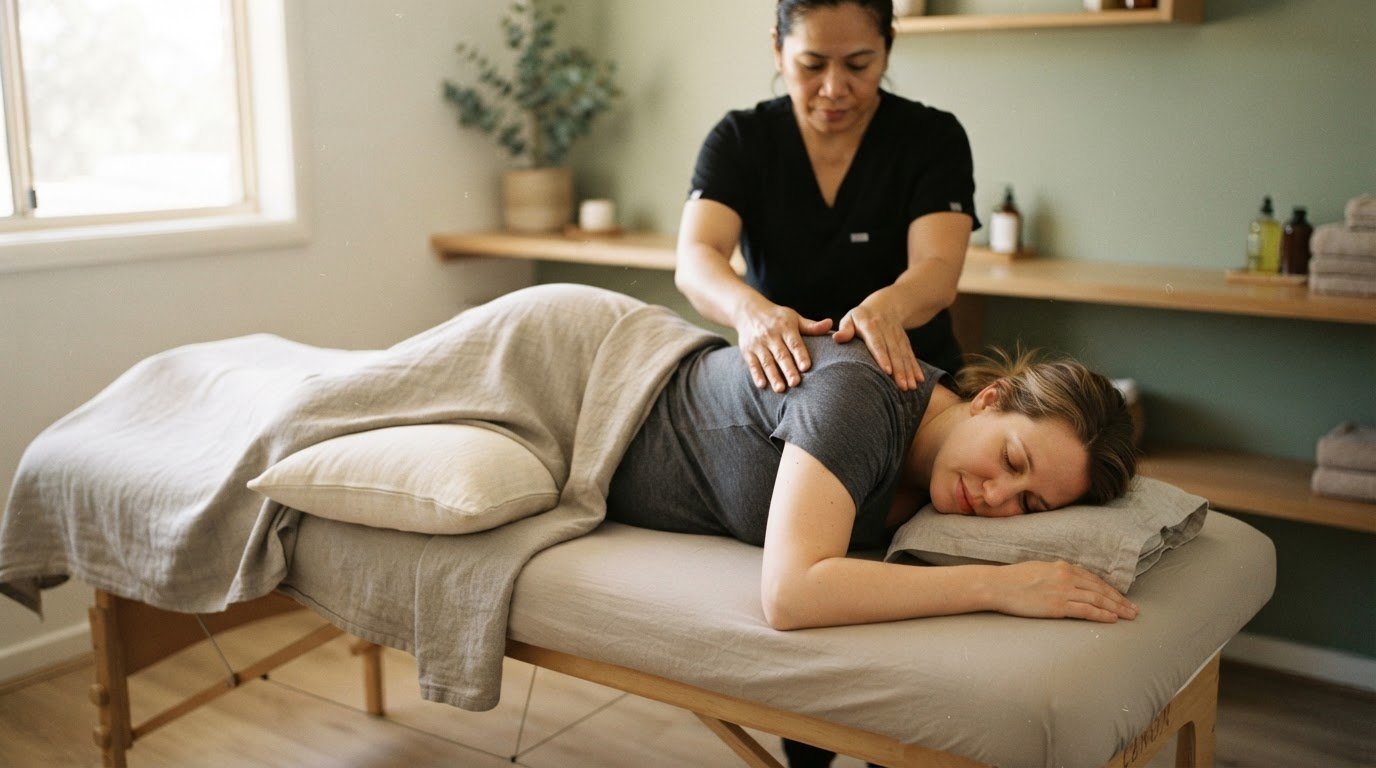
Body-focused self-care also benefits from a planned schedule. Fascial release is recommended for 3-6 sessions, ideally starting 1-3 months before the wedding. This allows the sessions to sit within your broader routine rather than being crowded into the final days. Add each appointment to your calendar, alongside fittings and travel, and follow the aftercare instructions provided for that treatment.
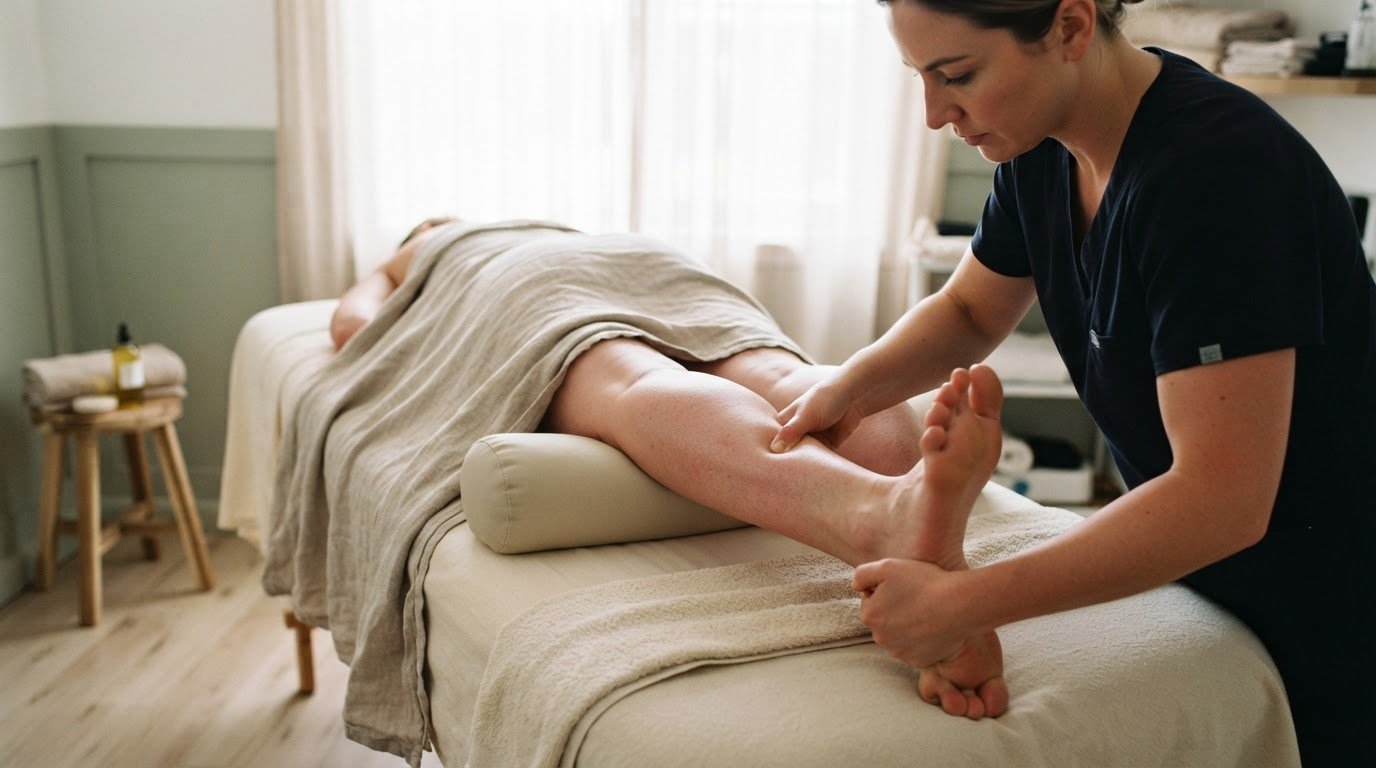
Lymphatic drainage has a distinct timing recommendation: a course of five consecutive weekly sessions, with the final session one day before the wedding. Its effects can last up to 48 hours. This short timeframe makes it more relevant to near-date preparation than a treatment intended to create gradual change. Include the full course in your schedule before committing to other appointments.
Keep daily care uncomplicated. Prioritise regular hydration, familiar skincare and rest rather than adding drastic last-minute beauty treatments. The day before the wedding, follow your established skincare steps instead of testing a new mask or active ingredient. Schedule your final manicure and pedicure two to three days before the celebration, leaving time to address a chipped nail.
A practical bridal plan separates gradual changes from final touches. Put longer-lead skincare, such as a new retinoid, early in the calendar; schedule the final facial one week before; and reserve manicure and pedicure appointments for two to three days before. This helps coordinate skin preparation, body treatments and wedding photos without stacking unfamiliar procedures together.
5. Wedding body contouring
Wedding body contouring is best approached as a considered plan, not a last-minute transformation. Bridal contouring is commonly described as treatment intended to tone and sculpt muscle. That differs from reducing the appearance of cellulite or improving skin firmness. Start by identifying your priority, such as a smoother-looking abdomen, firmer arms or a more defined silhouette beneath your dress. A wedding prep body contouring plan should centre on that priority, rather than trying every available option.
How do CoolSculpting, radiofrequency, ultrasound and other body contouring treatments compare? They use different technologies and protocols and target different concerns, so compare their purpose, treatment area, recovery guidance and timeline. Radiofrequency is associated with skin tightening, while ultrasound-based options include cavitation and HIFU. These methods aren’t interchangeable, so the name alone isn’t enough to judge suitability.
What body contouring treatments are available before a wedding in Australia? Non-surgical options include radiofrequency skin tightening, ultrasonic cavitation, HIFU and massage-based treatments. The useful choice depends on whether your priority is contour, skin firmness or temporary fluid movement, rather than a treatment’s popularity. Identify your specific concern first, then consider which type of approach fits that goal.
What results can non-surgical body contouring realistically achieve? Set expectations around a modest change in appearance or contour, not a different body shape or a substitute for weight management. A treatment plan should clearly state its intended target, such as firmer-looking skin or a more defined area beneath clothing. This keeps decisions grounded in the outcome the treatment is designed to address.
Timing shapes the plan. Leave only subtle refinements for 4-6 weeks before the wedding, rather than introducing a major treatment close to the date. HIFU results may continue developing for up to 12 weeks after a session, so schedule that modality earlier. After HIFU, avoid hot showers, steam rooms and intense workouts for 24 hours.
Build a gradual routine by recording your wedding date, target area, treatment type and aftercare instructions. Ask how the proposed therapy relates to your aim, and whether it addresses skin, contour or muscle. Collagen production may come up when discussing skin-focused treatments. Ask what the specific method is intended to do, rather than treating collagen as a promise of a particular result.
Keep lymphatic treatments distinct from contour-focused procedures. Lymphatic drainage is associated with temporary effects that can last up to 48 hours, so its timing differs from treatments with a longer response period. It isn’t a substitute for changes to skin texture or body shape. Match each appointment to its purpose and place it around fittings and other wedding commitments.
Before booking, ask about the intended outcome, recovery, aftercare and how the treatment fits your timeline. Keep the final two weeks free of new treatments. For wedding prep body contouring, this boundary helps avoid unfamiliar procedures immediately before the celebration and keeps your plan focused on the changes that matter to you.
Body Therapist: Manual Lymphatic Drainage Massage
Body Therapist’s Manual Lymphatic Drainage Massage is an option when your priority is lymphatic fluid movement, rather than lasting changes to body shape or skin firmness. In bridal planning, lymphatic drainage is recommended as five consecutive weekly sessions, with the final session one day before the wedding; its effects can last up to 48 hours. This timing makes it distinct from treatments planned for gradual contour or skin changes.
For concerns involving lymphatic swelling, Lymphedema Therapy addresses a different need from cosmetic body contouring. Remedial Massage and Oncology Massage are also available for their respective therapeutic contexts. Choose the service that matches your reason for seeking care, rather than treating all massage approaches as interchangeable.
To discuss whether Manual Lymphatic Drainage Massage suits your preparation, contact Body Therapist.
Make your next step personal
Let your priorities, comfort and wedding plans guide your next decision. A short written brief can help: note the area you want to address, the change you’re hoping for and any treatments you’ve already tried. This shifts the focus from chasing every available option to choosing an approach that makes sense for you. Wedding prep body contouring should support your confidence, not create another source of pressure during a busy season.
Body Therapist offers Manual Lymphatic Drainage Massage, Lymphedema Therapy and Remedial Massage. These services address different needs, from lymphatic fluid movement to therapeutic support for muscle and soft-tissue concerns. Being clear about your reason for seeking care helps shape a useful conversation about the next step.
Bring your priorities and questions to that conversation, and choose a plan that feels manageable alongside the rest of your preparations. Contact Body Therapist to discuss your options and take the next step with confidence.
Frequently Asked Questions
How far in advance should you start body contouring before your wedding?
Start planning 4 to 6 months before the wedding, then set treatment dates according to the modality and your priorities. Planning early doesn’t mean beginning every treatment straight away. It gives you time to factor in dress fittings, recovery guidance and the response period for each option. For example, if considering HIFU, allow for results to continue developing for up to 12 weeks after a session.
How many sessions are usually needed, and how long do results take to appear?
There isn’t one session count for every body-contouring method. The schedule depends on the treatment, target area and intended change. As examples, fascial release is recommended as 3-6 sessions, while lymphatic drainage is recommended as five consecutive weekly sessions. Timing also differs: HIFU results may continue developing for up to 12 weeks after a session, whereas lymphatic drainage effects can last up to 48 hours.
Comments