

Massage for Leg Circulation: What It Can and Can't Do

Updated: Oct 19
What if massage can influence blood flow without addressing why your legs feel heavy, swollen or uncomfortable? That distinction matters when searching for massage to improve circulation in legs: massage may affect blood flow in the treated area and support comfort, but it can’t identify or treat every cause of persistent symptoms.
It’s understandable to feel unsure when advice about leg massage, circulation and fluid retention seems to blur together. Blood circulation moves blood through a closed system powered by the heart. Lymphatic flow carries fluid through a separate drainage network. The systems are related, but they aren’t the same, and Manual Lymphatic Drainage Massage isn’t simply another name for massage intended to affect blood flow.
This article explains what massage may support, what it can’t establish or treat, and why the right approach depends on the cause of your symptoms. You’ll also learn how lymphatic drainage differs from other massage, and when ongoing, worsening or concerning leg changes call for further assessment rather than self-massage alone.
Table of Contents
What does circulation in the legs mean, and how does it differ from lymph flow?
Tired, heavy or uncomfortable legs can prompt a reasonable question: could circulation be involved? “Poor circulation” is common in everyday conversation, but it isn’t a diagnosis by itself. Leg sensations can have different explanations, and how they feel alone can’t establish the cause.
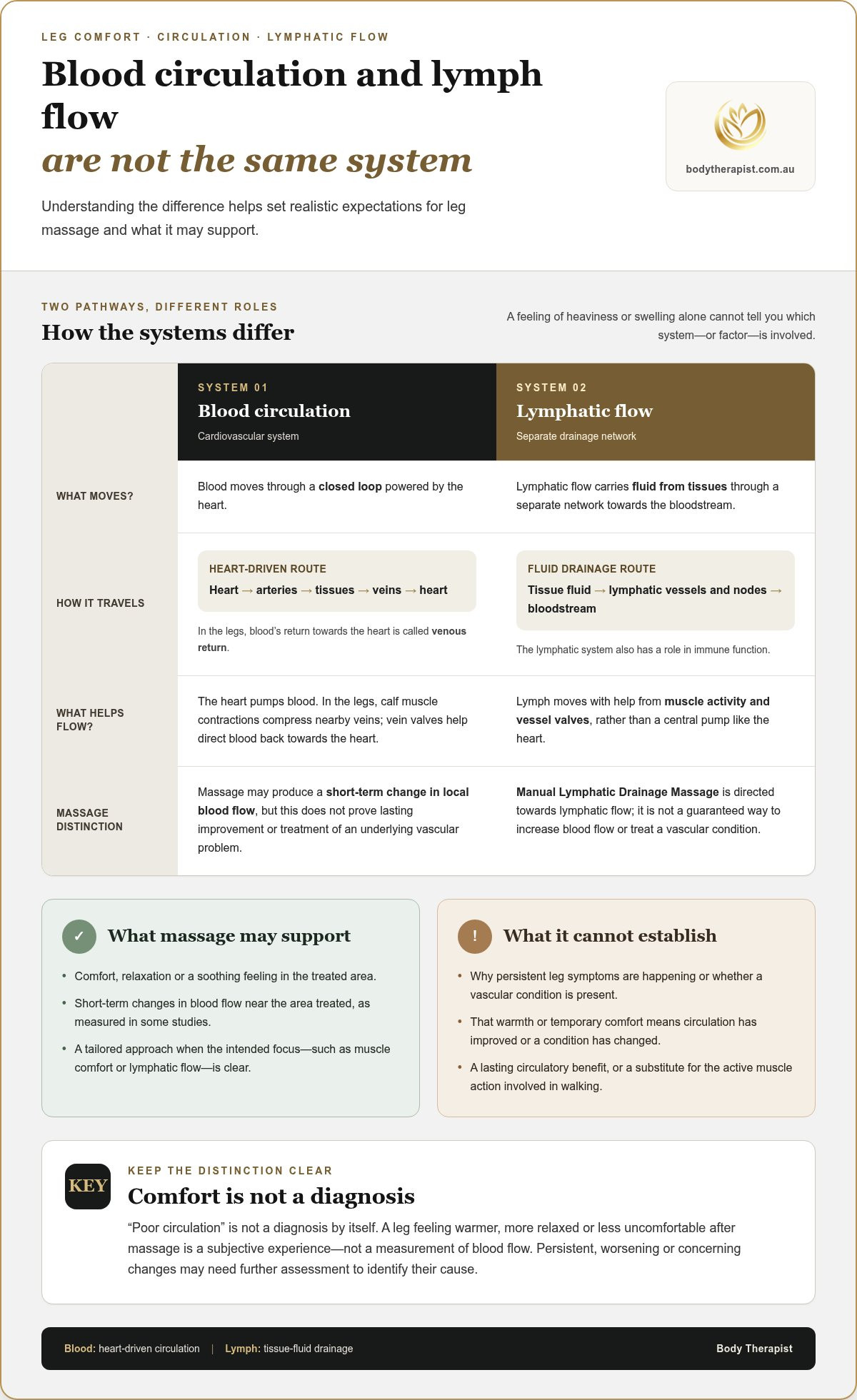
Blood circulation is the movement of blood through the heart and blood vessels. The heart pumps blood through arteries towards the body’s tissues. After passing through tiny vessels where exchange takes place, blood returns towards the heart through veins. In the legs, this return journey is called venous return. It works alongside the rest of the cardiovascular system, not as a separate process that massage can assess.
What do people mean by poor circulation in their legs?
People may use “poor circulation” to describe heaviness, discomfort or a general feeling that their legs aren’t right. These descriptions are useful when explaining what you’ve noticed, but they don’t identify a cause. Don’t treat a sensation as proof of a particular blood-flow problem or assume massage is the answer.
Blood circulation and lymphatic flow are not the same
The cardiovascular system circulates blood in a closed loop, with the heart providing the central pumping force. The lymphatic system is a separate network of vessels and nodes that collects lymph, fluid from tissues, and carries it towards the bloodstream. It also has a role in immune function. The Lymphatic system is described in more detail in this overview.
Blood circulation moves blood around a heart-driven loop; lymphatic flow carries tissue fluid through a separate drainage network towards the bloodstream.
Lymph moves through its vessels with help from muscle activity and vessel valves, rather than a central pump like the heart. That’s why “fluid” and “circulation” shouldn’t be treated as interchangeable terms. Swelling or a sensation of heaviness doesn’t, on its own, tell you whether blood circulation, lymphatic flow or another factor is involved.
Manual Lymphatic Drainage Massage is directed towards lymphatic flow. It is distinct from massage intended to ease muscle tension or promote relaxation, and it shouldn’t be presented as a guaranteed way to increase blood flow or treat a vascular condition. Searching for massage to improve circulation in legs also doesn’t establish that circulation is the cause of a symptom. Knowing which system a treatment is intended to address helps set realistic expectations. Persistent or concerning changes may need assessment to identify their cause.
How might massage affect circulation and leg comfort?
Massage can feel soothing, and research suggests it may produce short-term changes in blood flow near the treated area. Some studies have measured increased local blood flow after massage, but a brief change under study conditions isn’t proof of lasting improvement or evidence that an underlying vascular problem has been treated.
Evidence suggests massage may temporarily affect local blood flow, but it doesn’t establish that massage can treat the cause of poor circulation or deliver a lasting circulatory benefit.
What happens in the tissues during massage?
Massage applies pressure and movement to soft tissues. The force varies with the technique and practitioner, and the body’s response may vary too. Mechanical pressure and nervous-system responses have been proposed as ways massage could affect local blood flow. These explanations shouldn’t be treated as settled mechanisms or proof of a therapeutic outcome.
Leg movement has a distinct role. When calf muscles contract during walking, they compress nearby veins. Valves in the veins help direct blood back towards the heart. This is known as the skeletal muscle pump and supports venous return. Massage isn’t a substitute for that active muscle action, and research findings about massage shouldn’t be confused with the effects of movement.
Why feeling warmer doesn’t prove a circulation problem has changed
A leg may feel warm, relaxed or more comfortable after massage. That experience matters, but it’s subjective: it doesn’t measure blood flow or show whether a particular health condition has changed. Warmth alone can’t confirm improved circulation, just as temporary comfort doesn’t establish that the cause of ongoing symptoms has been addressed.
Effects can differ according to the person, technique and reason for the symptoms. A finding from a short-term study of local blood flow may not predict what happens over time or apply to someone with a specific vascular condition. If you’re considering massage to improve circulation in legs, keep the expected benefit measured: it may support comfort, but it can’t diagnose a problem or guarantee a lasting change in circulation.
Lymphatic drainage is another distinct area. Jackson Health System’s overview of the benefits of lymphatic drainage massage describes its focus on the lymphatic system, rather than presenting it as a blood-flow treatment. The intended purpose matters: Manual Lymphatic Drainage Massage is a specialised approach directed at lymphatic flow, not a guaranteed way to improve blood circulation.
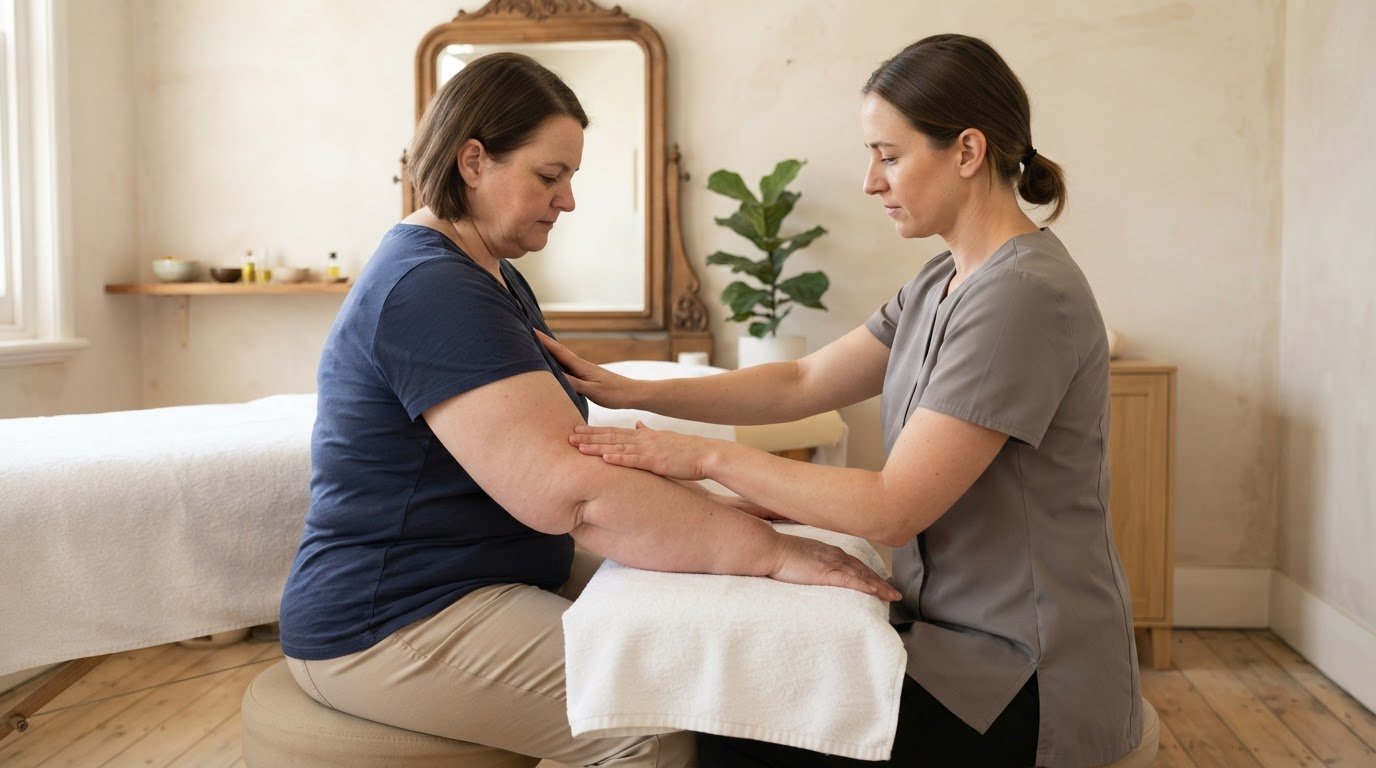
If you’re considering manual care for comfort or lymphatic concerns, an individually tailored discussion can help clarify what a session is intended to address. Body Therapist offers Remedial & Lymphatic Massage and Manual Lymphatic Drainage Massage, with care tailored to individual needs. Neither should be understood as a substitute for assessment of persistent or concerning symptoms.
Can massage improve circulation in legs, or is that an overstatement?
The honest answer depends on what “improve” means. Massage may provide temporary comfort, and research suggests it can affect local blood flow in some circumstances. But that doesn’t make it a stand-alone treatment for vascular disease. Massage can’t establish why a leg feels uncomfortable, prevent blood clots, clear blocked vessels or reverse a diagnosed circulation condition.
It helps to separate three different goals: easing muscle tension, supporting lymphatic care, and diagnosing or treating a medical condition. These aren’t interchangeable outcomes. A massage that feels relaxing doesn’t confirm a change in circulation, and a technique aimed at lymphatic flow shouldn’t be assumed to treat a blood-flow problem.
When might massage be a supportive part of care?
If your main concern is general muscle tension or relaxation, massage may be considered as supportive manual care. For those seeking routine bodywork to unwind and ease tired muscles, independent therapy practices like The Village Massage and Nails offer treatments centred on everyday comfort. That’s different from a diagnosed vascular condition, where treatment needs to address the specific cause. For lymphatic conditions, care should be guided by individual needs and relevant clinical advice. Evidence for Manual Lymphatic Drainage Massage varies by context, so don’t assume one technique works the same way for everyone.
A separate clinical guide to Manual Lymphatic Drainage Massage explains its lymphatic focus. It is not a blood-circulation treatment by another name.
When is massage not the answer to the underlying cause?
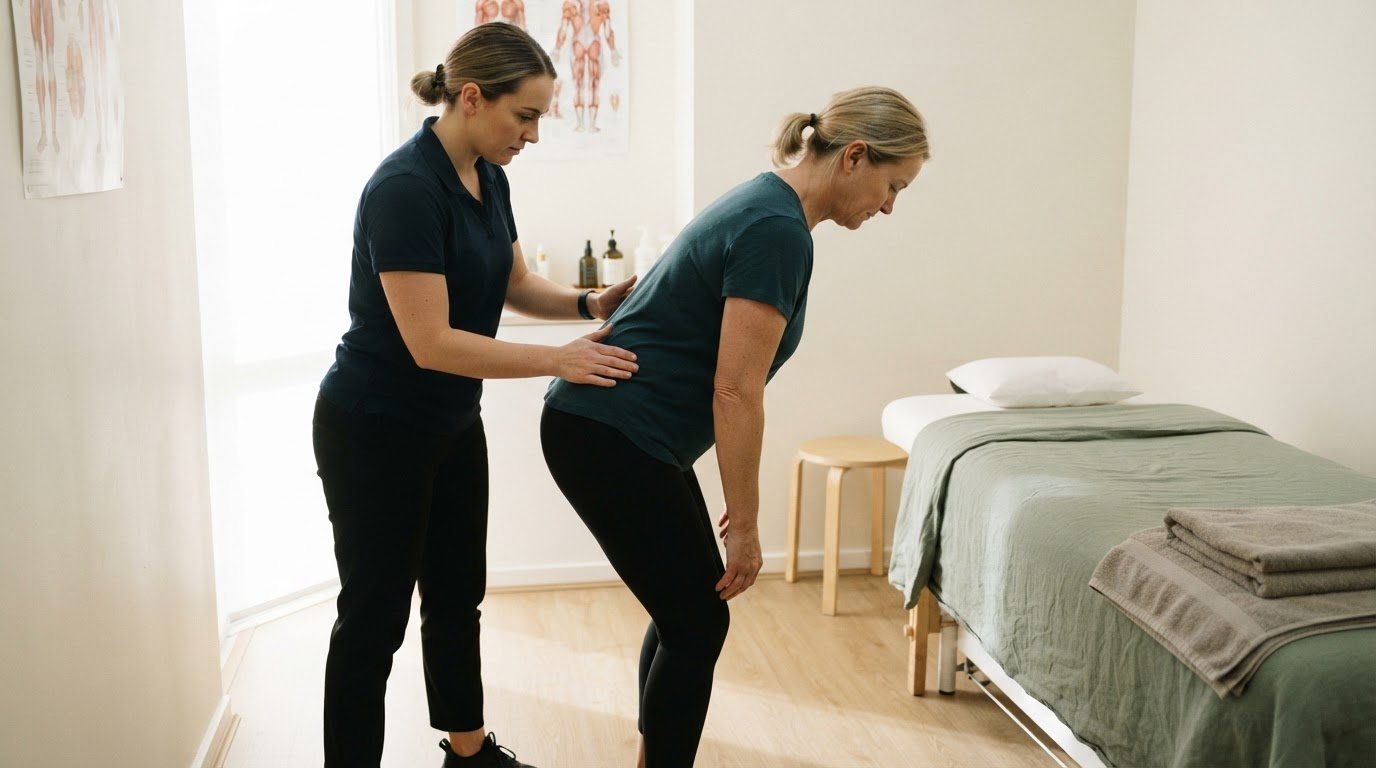
Massage can’t identify the reason for persistent or unexplained leg symptoms. If a concern continues, returns or affects everyday activity, seek assessment from an appropriate health professional rather than relying on massage alone. Assessment can help determine whether manual care is suitable as one part of a wider plan.
Massage to improve circulation in legs is best understood as a search for possible comfort, not a promise to correct impaired blood flow. Keep the goal specific: relaxation or muscle comfort is not the same as treating a diagnosed condition. A practitioner can tailor manual care to individual needs while being clear about what the session is intended to address.
What practical steps can support comfortable, active legs?
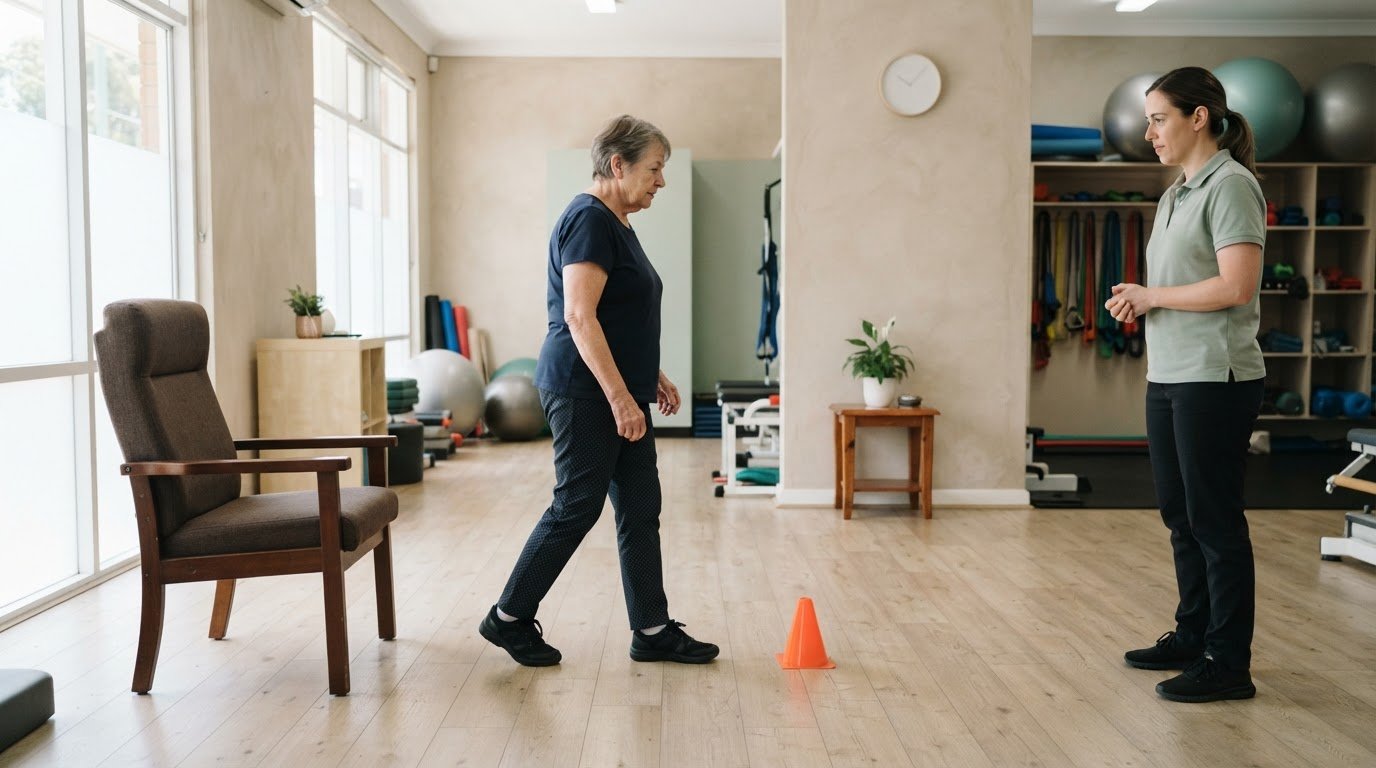
A simple, measured approach can help you notice what affects your leg comfort without trying to diagnose the cause yourself. Start by observing the pattern, consider ordinary movement, then reassess how you feel. Regular movement is relevant to circulation because contracting leg muscles assist blood’s return towards the heart. Choose everyday activity that suits you, rather than treating massage as a replacement for movement or health advice.
Use these steps to guide your observations:
Notice the pattern. Record what you feel and when it tends to occur, such as after sitting for a while or during your usual activities.
Consider movement. Notice whether ordinary movement changes your comfort. This is an observation, not a test of circulation or a way to identify a condition.
Reassess. Pay attention to whether the feeling settles, persists or returns. If it’s ongoing or unexplained, describe the pattern to an appropriate health professional.
How to approach gentle self-massage
If you choose to try self-massage for comfort, use broad, gentle strokes over the area rather than forceful pressure or a technique that causes discomfort. There’s no need to press deeply to “move” blood. Stop if the touch feels uncomfortable, and remember that any temporary sense of ease doesn’t show whether circulation has changed. Self-massage can’t identify the source of ongoing symptoms.
What to observe before deciding on next steps
Keep your notes clear and practical. Describe where you notice discomfort, when it occurs, whether it changes with ordinary activity, and whether it keeps returning. Avoid assigning a cause based on these observations. If symptoms persist or remain unexplained, sharing this information with a health professional can help them understand your concern and decide what assessment is appropriate.
Lymphatic drainage has a different focus from general self-massage. Don’t assume that a technique intended to support lymph flow is a treatment for blood-flow concerns.
Searching for massage to improve circulation in legs can make it tempting to judge success by whether your legs feel warmer or more relaxed. Treat that as a change in comfort, not proof of a diagnosis or treatment effect. If you’re considering tailored manual care for comfort or lymphatic concerns, you can explore individualised massage care while keeping persistent symptoms on an appropriate assessment pathway.
How can tailored professional massage fit into a circulation-care plan?
Professional massage can be one part of a wider approach to comfort, but the purpose of the session should be clear. A practitioner can discuss what you’ve noticed, your goals and relevant health context, then tailor manual care to your individual needs. That conversation helps distinguish a request for general muscle care from a concern that may need assessment by a health professional. Massage doesn’t diagnose the cause of leg symptoms or confirm that circulation has changed.
Remedial and lymphatic services have different purposes
Remedial & Lymphatic Massage and Manual Lymphatic Drainage Massage are distinct options, not interchangeable claims about blood flow. Remedial massage is manual care, while Manual Lymphatic Drainage Massage is directed towards lymphatic flow. Blood circulation and lymphatic drainage are related aspects of the body’s fluid systems, but a treatment focused on one shouldn’t be presented as a guaranteed treatment for the other.
Lee Carnegie is a qualified remedial massage therapist and Dynamic Movement Therapist Level 1, with specific training in Manual Lymphatic Drainage. This background informs individually tailored manual care, without implying that a session can improve blood circulation or treat a vascular condition. For further context on lymphatic concerns, read about signs your body may need clinical lymphatic support.
A considered next step for persistent leg concerns
If leg symptoms are ongoing or unexplained, an appropriate health professional can assess the concern and help determine whether further care is needed. A massage practitioner can discuss your needs and explain relevant manual-therapy options, but that discussion isn’t a substitute for medical assessment. If you already have guidance from a health professional, sharing it can help keep the conversation focused on the manual care you’re seeking.
It may help to describe what you want support with, such as general muscle tension or a concern involving lymphatic fluid. Be clear about what you’re hoping massage will do, and keep expectations realistic: individualised care means adapting the approach to your needs, not promising symptom relief, improved circulation or a particular result. If your goal is massage to improve circulation in legs, treat that phrase as a question to discuss, rather than an outcome a practitioner can guarantee.
Body Therapist offers Remedial & Lymphatic Massage, Manual Lymphatic Drainage Massage and Lymphedema Management / Lymphedema Therapy. These services have different purposes and can be discussed in relation to individual needs. Explore Body Therapist’s massage services to consider which area of manual care is most relevant to your concern.
Choose your next step with confidence
If you’re considering massage to improve circulation in legs, make your goal clear before choosing a treatment: are you seeking support for general comfort, or trying to understand a persistent symptom? That distinction can shape a useful conversation and keep expectations realistic. Massage can be part of individualised manual care, but it shouldn’t stand in for assessment when symptoms continue or remain unexplained.
At Body Therapist, Lee Carnegie’s background includes remedial massage therapy, Dynamic Movement Therapist Level 1 and specific training in Manual Lymphatic Drainage. Care is tailored to individual conditions and needs, with different manual approaches serving different purposes. A discussion can help clarify which service relates to your concern, without promising a particular result.
Take the next step by clarifying what kind of manual care you’re seeking. Explore Body Therapist’s massage services to consider the options available for your needs. With a clear goal and realistic expectations, you can make a more informed choice about support for your leg comfort.
Frequently Asked Questions
Can massage improve circulation in legs?
Massage may temporarily affect blood flow in the area being treated, but this doesn’t mean it can correct a circulation disorder. If you’re considering massage to improve circulation in legs, set a realistic goal, such as exploring whether manual care supports comfort. A change in how your legs feel after a session isn’t proof that a vascular condition has improved, so persistent concerns need separate assessment.
How does massage affect blood flow in the legs?
Massage applies pressure and movement to soft tissues, and research has observed short-term changes in local blood flow after some massage techniques. The response can vary, and a measured change in a study doesn’t predict a lasting effect for every person. For example, feeling warmth after a session is a sensation, not a blood-flow measurement or a reliable way to assess vascular health.
Is massage a treatment for poor circulation?
No. Massage shouldn’t be relied on as treatment for a diagnosed circulation condition, and it can’t determine why a leg feels uncomfortable. If a health professional has identified a vascular problem, follow the care plan they recommend and discuss any complementary manual care with them. Massage may be considered for a separate comfort goal, but it can’t replace assessment or condition-specific medical treatment.
What type of massage may support leg comfort?
The appropriate manual approach depends on what you’re seeking support with. Remedial Massage may be relevant when the goal is general muscle care, while Manual Lymphatic Drainage Massage is directed towards lymphatic concerns. Neither should be selected on the assumption that it will fix poor blood flow. Explain your goal and any ongoing symptoms to a practitioner so the discussion can focus on suitable manual-care options.
Can lymphatic drainage massage improve blood circulation?
Manual Lymphatic Drainage Massage is intended to address lymphatic flow, not to guarantee improved blood circulation. The systems are connected within the body, but a technique focused on lymphatic fluid shouldn’t be treated as vascular therapy. If your main concern is blood flow, describe that clearly to a health professional rather than assuming lymphatic drainage will address it.
How is blood circulation different from lymphatic drainage?
Blood circulation carries blood through the heart and blood vessels, while lymphatic drainage refers to lymph fluid moving through a separate network towards the bloodstream. The terms describe different processes, even though they interact. This distinction is useful when choosing what to discuss: a concern about blood flow and a concern about lymphatic fluid may call for different assessment and care.
When should I seek advice about persistent leg symptoms?
Seek advice from an appropriate health professional if leg symptoms keep returning, continue without a clear explanation or interfere with your usual activities. Before the appointment, note where you feel the discomfort, when it tends to happen and whether everyday movement changes it. These details can help explain your concern, but they can’t diagnose the cause. Don’t use massage as a reason to delay assessment.
Comments