

Managing lipedema flare-ups: triggers and treatment options

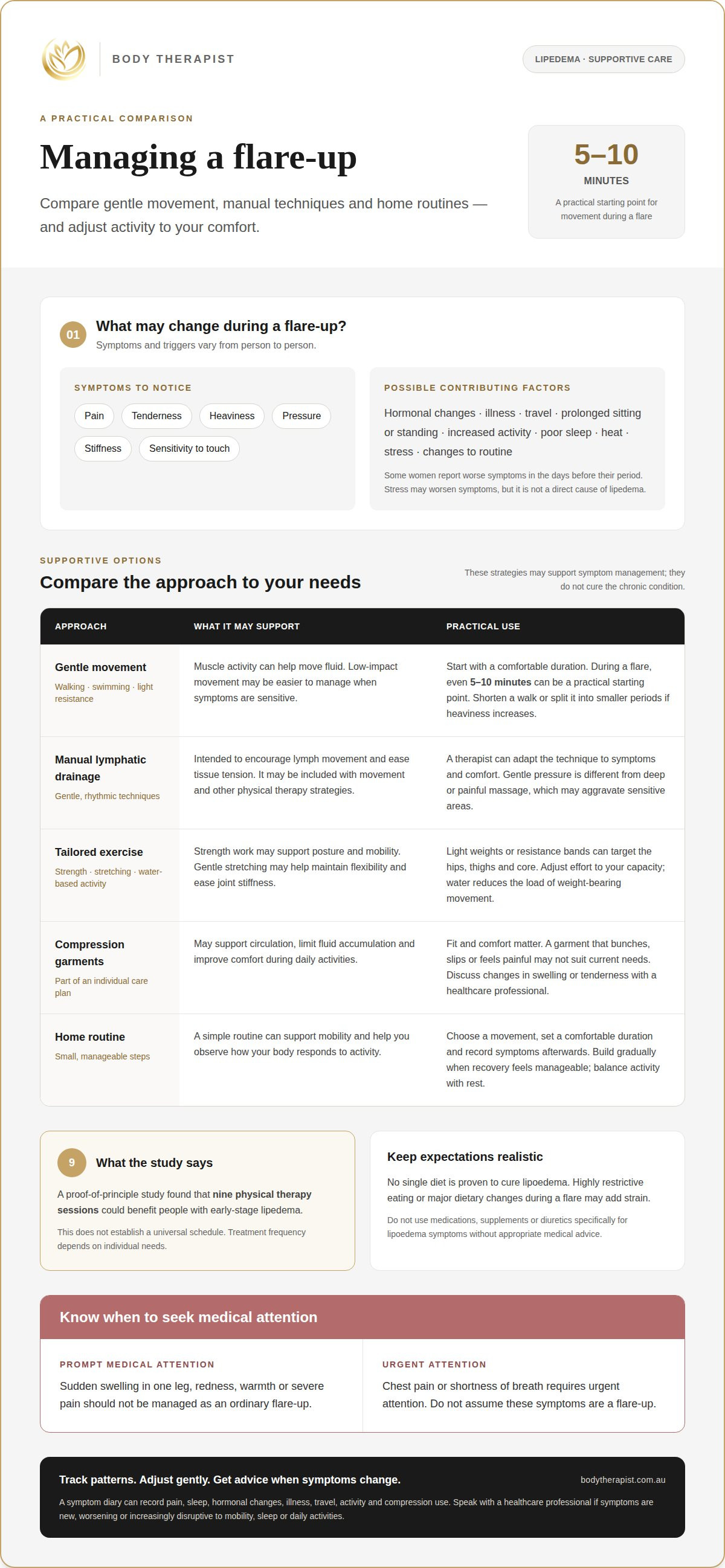
A flare-up isn’t always linked to one clear trigger. Managing lipedema flare-ups often starts with noticing patterns around hormonal changes, stress, heat, illness, travel, prolonged sitting or standing, increased activity and disrupted sleep. Triggers vary, so tracking symptoms alongside your routine can help you identify what tends to worsen yours.
It can be frustrating when pain, tenderness, heaviness or swelling becomes more noticeable, especially if the change happens quickly. These symptoms are real, and a flare-up doesn’t mean you’ve failed to manage your condition.
This guide covers possible triggers and practical responses, including gentle movement, lymphatic drainage, manual therapy and home routines. It also explains longer-term conservative care and when new or worsening symptoms need medical attention, helping you make informed decisions about support.
Table of Contents
1. WHAT TRIGGERS LIPEDEMA FLARE-UPS?
A flare-up can make pain, tenderness, heaviness, pressure, stiffness or sensitivity to touch more noticeable. Possible triggers include hormonal changes, illness, travel, prolonged sitting or standing, increased activity, poor sleep and changes to routine. Some women report worse symptoms in the days before their period. Heat may also aggravate symptoms, so staying cool and hydrated may help. Stress can worsen symptoms, although it isn’t a direct cause of lipedema.
Lipedema and lymphedema can both involve swelling, so symptoms alone can’t reliably distinguish them. Sudden swelling in one leg, redness, warmth or severe pain needs prompt medical attention. Chest pain or shortness of breath requires urgent attention and should not be assumed to be a flare-up.
Compression garments may support circulation, limit fluid accumulation and improve comfort during daily activities. Fit and comfort matter: a garment that bunches, slips or feels painful may not be suitable for your current needs. Compression is one part of care, not a stand-alone treatment. A healthcare professional can help tailor its use to your symptoms and routine.
During a flare-up, the same compression approach may not feel appropriate. If swelling or tenderness changes, discuss the garment’s fit and use with a healthcare professional before making substantial adjustments. This helps account for the affected area, comfort and daily activities, rather than relying on a rigid routine.
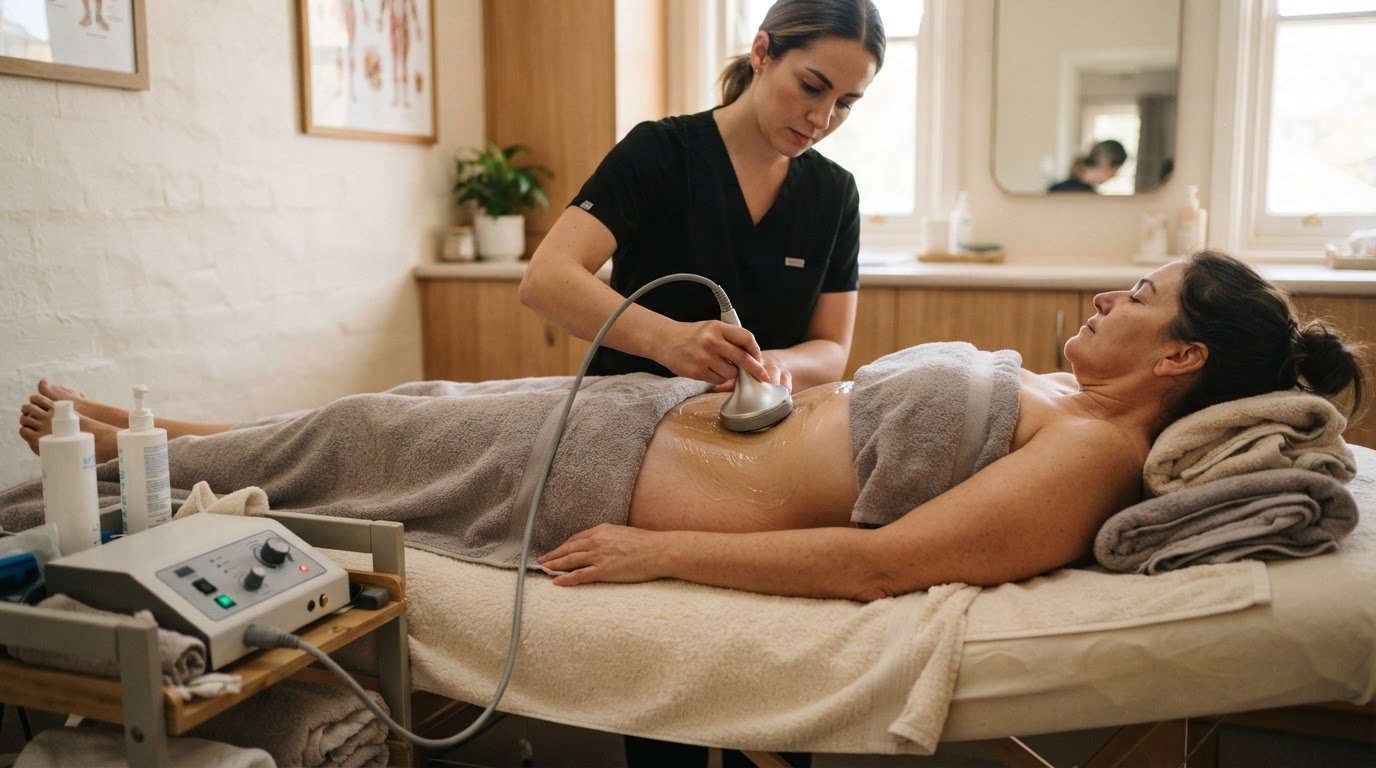
Manual lymphatic drainage and compression therapy may form part of conservative care. A pneumatic compression pump is another approach that may be combined with lymphatic massage, exercise and compression garments. These strategies support symptom management, not a cure for the chronic condition. Deep, painful massage differs from gentle lymphatic techniques and may aggravate sensitive tissue.
A symptom diary can help you spot patterns. Record pain, sleep, hormonal changes, illness, travel, activity and compression use. If symptoms are new, worsening or increasingly disruptive to mobility, sleep or daily activities, speak with a healthcare professional. Don’t manage sudden one-sided swelling, redness or warmth as an ordinary flare-up.
2. Manual lymphatic drainage
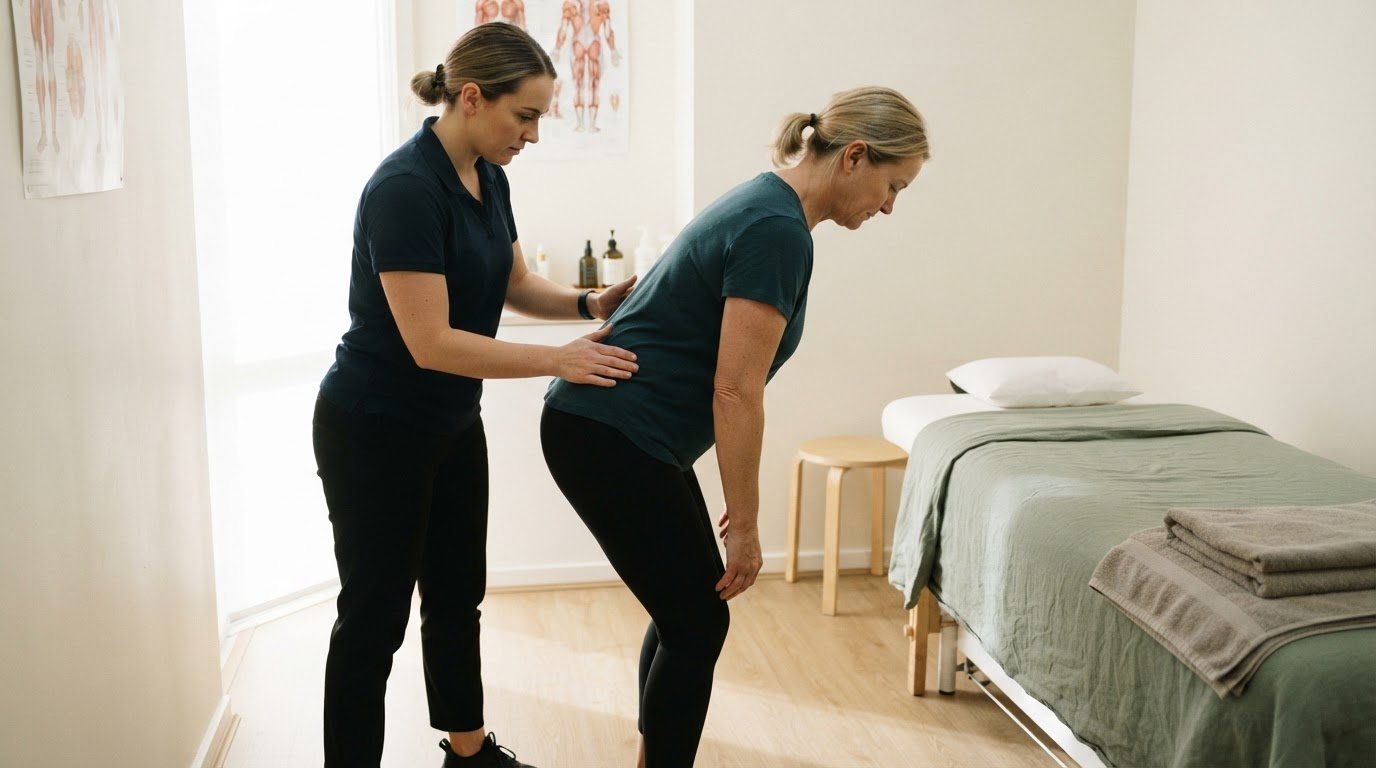
Manual lymphatic drainage uses gentle, rhythmic techniques intended to encourage lymph movement and ease tissue tension. It differs from deep or painful massage, which may aggravate sensitive areas. For some people, managing lipedema flare-ups includes this approach alongside compression, movement and other physical therapy strategies. The aim is to support symptoms, not cure the chronic condition.
A therapist can adapt treatment to your symptoms and comfort instead of applying the same pressure across every area. Physical therapy may combine manual techniques with movement guidance and self-management. A proof-of-principle study found that nine physical therapy sessions could benefit people with early-stage lipedema. This doesn’t establish a universal schedule: treatment frequency depends on individual needs.
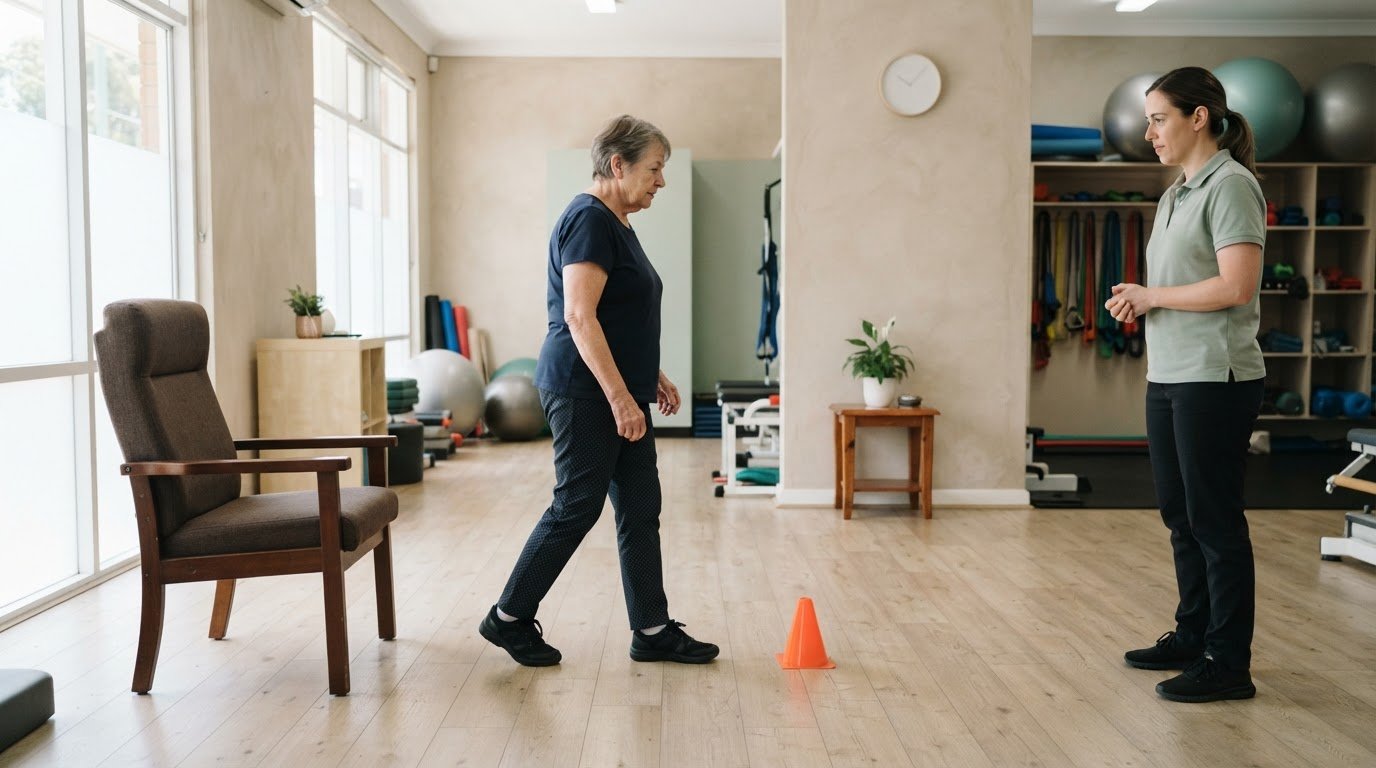
Gentle movement can complement drainage by activating muscles that help move fluid. Walking, swimming and light resistance activity are possible options, adjusted to your response. If a longer walk increases heaviness or discomfort, shorten it or split it into smaller periods. Aim for manageable movement, not pushing through worsening symptoms.
Overexertion may overload the lymphatic system and contribute to worsening symptoms. During a flare-up, balance activity with recovery and notice how your body responds afterwards. Gentle self-massage may be part of a home programme, but use light pressure, not forceful kneading. A therapist can demonstrate suitable techniques and areas to avoid, especially if tenderness makes touch uncomfortable. These adjustments can make managing lipedema flare-ups more practical day to day.
For support, a therapist can show how manual techniques and low-impact activity may fit your routine. A manual lymphatic drainage session may be one part of an individual symptom-management plan. Seek medical advice for new or worsening symptoms rather than relying on massage alone.
3. Manual therapy, tailored exercise and home programmes
Manual therapy can be combined with gentle exercise and practical home strategies. A tailored plan takes account of pain, mobility, fatigue and how symptoms change after activity. During a flare-up, shorten a walk, slow your pace or divide movement into brief periods. Complete inactivity may contribute to stiffness and reduced mobility, so small, comfortable movements can be easier to manage than one demanding session.
Try a short walk, gentle stretching or water-based exercise, then notice how your body responds. During a flare, even 5 to 10 minutes of movement can be a practical starting point. Swimming and other low-impact aquatic exercise may support lymphatic function and reduce limb volume for women with chronic venous and lymphatic disorders. Water also reduces the load of weight-bearing movement, which may make activity more comfortable.
Strength work can support posture and mobility. Light weights or resistance bands can target the hips, thighs and core, with effort adjusted to your capacity. Gentle stretching may help maintain flexibility and ease joint stiffness. If prolonged standing worsens heaviness, alternate standing with seated movement or a short walk. Compression garments may also support comfort during daily activities; choose exercise with their fit and feel in mind.
Keep a simple home routine: choose a movement, set a comfortable duration and record your symptoms afterwards. Build gradually when recovery feels manageable, rather than increasing intensity during a flare-up. No single diet is proven to cure lipoedema, and highly restrictive eating or major dietary changes during a flare may add strain. Balanced nutrition may support general wellbeing, but don’t use medications, supplements or diuretics specifically for lipoedema symptoms without appropriate medical advice. Don’t assume a supplement will reduce inflammation or replace movement, compression or lymphatic drainage.
4. Long-term conservative and surgical management
Long-term lipedema care can combine compression garments, manual lymphatic drainage, appropriate exercise and pneumatic compression. These conservative strategies focus on symptom management, mobility and daily comfort. Link each treatment to a practical goal, such as easing leg pain while walking or supporting movement at work. Record changes in pain, tissue tenderness and activity to see how symptoms respond over time.
In Australia, options include conservative care and, for some people, liposuction as part of a broader management plan. Medicare coverage isn’t a blanket benefit for every lipedema treatment. Whether a Medicare benefit applies depends on the treatment and relevant eligibility requirements, so don’t assume massage, compression garments and surgery receive the same coverage.
The LIPLEG trial reported outcomes at 12 months: 68% of participants receiving liposuction achieved a meaningful reduction in leg pain, compared with 8% receiving conservative therapy. Adverse events occurred in 47% of the liposuction group, including serious adverse events in 7.5%. These figures help show why surgical decisions involve weighing potential pain relief against risks, not treating surgery as a guaranteed solution.
Consider liposuction within a holistic plan that includes aftercare such as lymphatic drainage, compression therapy and individually adapted exercise. Before choosing a surgical pathway, consider how ongoing care could support recovery and symptom management. Conservative treatment also calls for consistency: garments, movement and therapy work as a coordinated routine, not isolated responses to each trigger. Stress management can support wellbeing, but it doesn’t remove the underlying condition.
For ongoing tissue discomfort, gentle manual techniques differ from forceful massage, which can aggravate sensitive areas. If lymphatic drainage is part of your care routine, book manual lymphatic drainage support to discuss how this treatment can fit alongside your broader management plan.
Body Therapist
Body Therapist offers therapeutic support for people managing lipedema symptoms, including Manual Lymphatic Drainage Massage, Lymphedema Therapy and Remedial Massage. These services can complement a broader care plan focused on comfort, movement and daily function. Oncology Massage is also available when this specialised support is relevant.
Consider therapeutic support if tenderness, heaviness or discomfort affects your routine, or if you want to incorporate hands-on care into ongoing symptom management. Manual approaches should be gentle and suited to sensitive tissue. They don’t replace medical assessment for new or rapidly worsening symptoms.
Contact Body Therapist to discuss support for your needs.
Build a care approach that can evolve
Living with a chronic condition can make plans feel unpredictable. Rather than expecting every week to follow the same pattern, set a practical goal that matters to your daily life, such as making routine activities more manageable. Your priorities may change over time, and your approach to care can change with them.
Managing lipedema flare-ups means responding to your body and refining what works for you. Discuss your concerns and treatment goals with your healthcare team, especially when symptoms affect your usual activities. A clear, shared plan can help you make decisions with greater confidence.
If hands-on support is part of your next step, contact Body Therapist for support. You can discuss your concerns and whether therapeutic care may suit your needs. Progress can begin with a considered conversation and a plan shaped around what matters to you.
Frequently Asked Questions
WHAT TRIGGERS LIPEDEMA FLARE-UPS?
Hormonal shifts, illness, travel, long periods sitting or standing, increased activity, poor sleep, heat and changes to routine may be associated with flare-ups. Stress can worsen symptoms without directly causing lipedema. If symptoms tend to change around your menstrual cycle or after a disrupted routine, note the timing and circumstances. Patterns can help you plan adjustments before discomfort disrupts everyday tasks.
What can a lipoedema flare up feel like?
A flare-up may bring more noticeable tenderness, pain, heaviness, pressure, stiffness, fatigue or sensitivity to touch. Swelling may appear in the legs, hips or arms within hours, and a severe episode may leave you exhausted for days. Notice what differs from your usual symptoms, including whether clothing or ordinary movement feels more uncomfortable than usual.
Can inflammation cause a flare-up?
Inflammation may be involved in swelling and discomfort, but it isn’t the only factor associated with a flare-up. Hormonal changes, heat, illness, poor sleep and changes in activity can also coincide with worsening symptoms. Rather than assume one cause, note when symptoms begin and what else has changed. This may help distinguish a recurring pattern from a new or unusual change.
Do diet and salt intake influence flare-ups?
Changes in dietary habits, including consuming too much industrial sugar, may be associated with flare-ups. No single diet is proven to cure lipoedema, and highly restrictive eating or major dietary changes during a flare may add strain. Salt’s effects can vary, so note whether salty meals coincide with symptom changes and discuss a recurring pattern with a healthcare professional.
What should you do first when symptoms feel worse?
Pause strenuous activity and identify what has changed, such as sleep, travel, illness or time spent sitting. If comfortable, elevate your legs above heart level for 15 to 20 minutes, then resume gentle movement as tolerated. Record the symptoms and circumstances in a diary. Don’t assume sudden, one-sided swelling or redness is a routine flare.
When should I seek professional help for a flare-up?
Seek prompt medical attention for sudden swelling in one leg, redness, warmth, severe pain, chest pain or shortness of breath. Speak with a healthcare professional if symptoms are new, worsening, becoming more frequent or affecting mobility, sleep or daily activities. These changes need assessment rather than being automatically attributed to lipedema, particularly when they differ from your usual symptoms.
Comments