

Lymphatic Drainage After Surgery: A Clinical Guide to Post-Operative Recovery
- leecarnegie

- Jul 22
- 11 min read
Updated: Jul 24
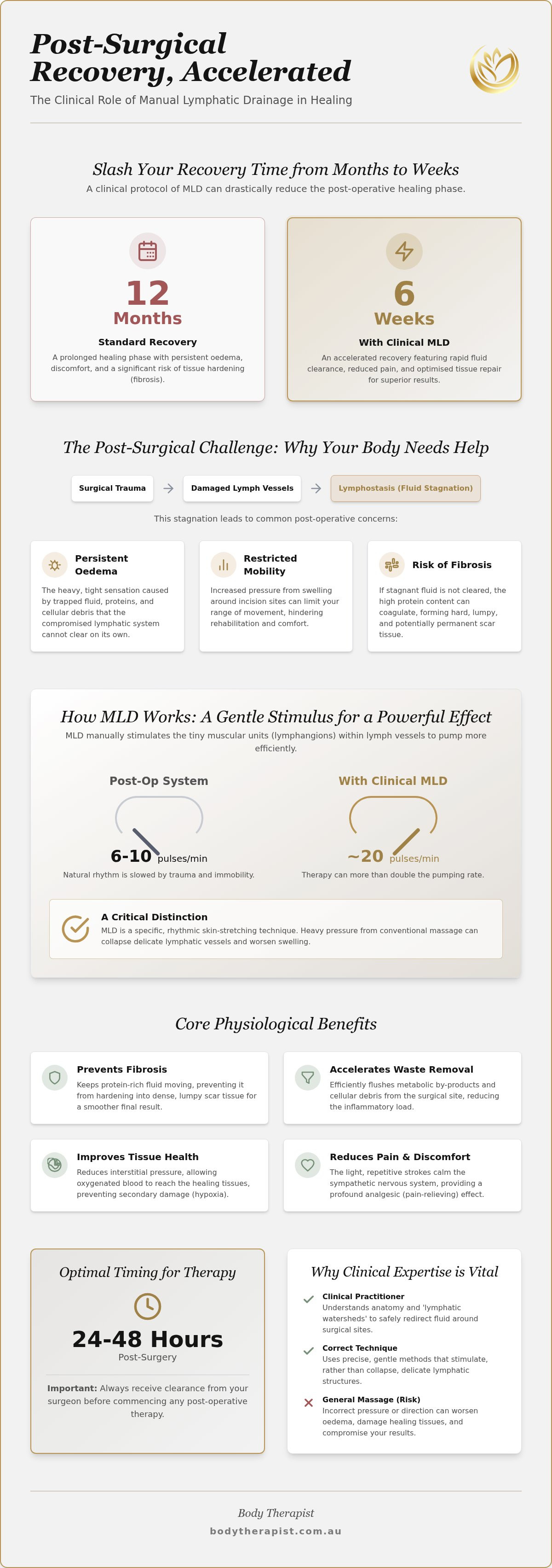
Research indicates that a clinical protocol of lymphatic drainage after surgery can reduce the post-operative healing phase from twelve months down to as little as six weeks. It's a staggering difference that highlights why specialised manual therapy is a clinical necessity rather than a luxury. You've likely felt the frustration of persistent oedema, the discomfort of restricted mobility near your incision sites, or the nagging fear that those hard lumps might become permanent fibrosis. These concerns are common; they're a sign that your body's natural waste management system needs professional support to clear the cellular debris left behind by a surgical procedure.
In this clinical guide, you'll discover how manual lymphatic drainage (MLD) accelerates tissue repair and optimises your physiological recovery. We'll provide a clear timeline for when to commence therapy, explain how to achieve smoother scar tissue formation, and help you regain your range of movement. By moving beyond surface-level swelling and addressing the structural health of your tissues, you can ensure your results are as refined and comfortable as possible.
Table of Contents
Understanding the Lymphatic System's Role in Surgical Recovery
The lymphatic system functions as your body's sophisticated waste clearance and fluid balancing network. While the circulatory system delivers oxygen and nutrients, the lymphatic network is responsible for removing metabolic by-products, cellular debris, and excess fluid from the interstitial spaces between your cells. During any surgical procedure, this delicate architecture is inevitably compromised. Incisions and tissue manipulation sever the superficial lymphatic vessels, leading to a condition known as lymphostasis. This stagnant fluid cannot move efficiently through the system's filtering nodes, causing the heavy, tight sensation often felt in the early stages of recovery.
Many patients wonder why their body cannot simply clear this fluid on its own. The primary reason is that the lymphatic system lacks a central pump like the heart. It depends entirely on physical movement and the rhythmic contraction of tiny vessels. When you are recovering from a procedure, your natural mechanics are sidelined. This is where clinical lymphatic drainage after surgery becomes essential; it provides the external stimulus required to manualise the movement of stagnant lymph toward functional drainage sites.
Why Surgery Causes Fluid Accumulation
The inflammatory response is your body's first line of defence. It triggers an immediate flood of white blood cells and plasma proteins to the surgical site to begin the repair process. However, this influx can quickly become overwhelming. When combined with the systemic effects of anaesthesia and the inevitable post-operative reduction in mobility, the lymphatic flow slows to a crawl. This often manifests as pitting oedema, where fluid becomes trapped in the tissue, leaving a visible indentation when pressed. Without the "muscle pump" of regular movement, this fluid remains stagnant, increasing pressure on your incision sites.
The Difference Between Normal Swelling and Lymphoedema
It is vital to distinguish between post-operative oedema and lymphoedema. Post-operative oedema is a temporary, acute reaction to surgical trauma that typically resolves as tissues heal and the lymphatic vessels regenerate. Conversely, lymphoedema is a chronic condition that occurs when the lymphatic system is permanently impaired, often due to the removal or damage of lymph nodes during oncology procedures. If you are concerned about long-term management, you can read our detailed guide on Lymphedema Drainage Massage: A Clinical Guide to Lymphoedema Management. Clinical lymphatic drainage after surgery helps manage the acute phase to prevent temporary fluid collections from becoming problematic.
The Physiological Benefits of Manual Lymphatic Drainage (MLD)
MLD is fundamentally different from remedial or deep tissue massage. It employs a specific, rhythmic skin-stretching technique designed to engage the initial lymphatic vessels located just beneath the epidermis. This gentle approach is critical because heavy pressure can actually collapse the delicate lymphatic capillaries, making the swelling worse. By applying precise, directional strokes, a therapist stimulates the 'lymphangions' to enhance lymphatic drainage after surgery. These are the tiny, muscular units within the lymph vessels that act as individual pumps. Under normal conditions, they pulse about six to ten times per minute; however, clinical manual therapy can increase this rate to nearly twenty pulses per minute, significantly accelerating fluid transport.
This mechanical stimulation does more than just move fluid. It reduces secondary tissue damage. When swelling persists, the increased pressure can cut off local capillary circulation, leading to hypoxia in the healing tissues. MLD relieves this pressure, allowing oxygenated blood to reach the incision site. There is also a profound analgesic effect. The light, repetitive touch stimulates mechanoreceptors in the skin, which sends inhibitory signals to the brain, effectively damping down pain perception and calming the sympathetic nervous system.
Preventing Fibrosis and Tissue Hardening
A primary concern for post-surgical patients is the development of fibrosis, or hardened, lumpy scar tissue. When lymphatic fluid remains stagnant, it becomes a thick interstitial soup rich in proteins like fibrinogen. If not cleared, these proteins can coagulate and form fibrin, which eventually matures into dense, unyielding connective tissue. MLD keeps this fluid moving, ensuring that the healing environment remains fluid and that scars heal flat and remain pliable. Maintaining this tissue health is a core focus of our clinical recovery protocols.
Boosting the Immune Response and Cellular Repair
Clearing metabolic waste is only half of the equation; it also creates the space necessary for regeneration. By removing cellular debris and spent inflammatory mediators, MLD allows fresh, nutrient-rich blood to reach the traumatised site more effectively. This accelerated exchange of fluids supports the body's natural immune response and speeds up the repair of damaged structures. To achieve these results, the Vodder technique is recognised globally as the clinical gold standard for manual lymphatic drainage after surgery.
Surgical Procedures that Benefit Most from Lymphatic Therapy
While many patients associate lymphatic drainage after surgery exclusively with cosmetic enhancements, its clinical utility extends across the entire surgical spectrum. Any procedure that involves significant tissue displacement or incision will inevitably trigger the inflammatory cascade discussed earlier. By addressing this at a cellular level, we can support recovery for various surgical specialities, from complex reconstructive work to routine orthopaedic replacements. The goal is always the same: to restore functional fluid balance and accelerate the body's natural repair mechanisms.
Recovery After Liposuction and Body Contouring
Liposuction and abdominoplasty (tummy tucks) are particularly disruptive to the superficial lymphatic network. During liposuction, the cannula creates numerous tunnels within the subcutaneous fat layer, which can fill with fluid and lead to the formation of seromas. These are pockets of stagnant interstitial fluid that, if left unmanaged, may require needle aspiration by your surgeon. Clinical MLD is vital during this phase as it helps the skin re-drape smoothly over the new body contours, preventing the 'wavy' or uneven appearance that can occur when fluid is trapped in the tissues.
There is a powerful synergy between manual therapy and clinical compression garments. While the garment provides the necessary external pressure to collapse the dead space created during surgery, MLD ensures that the fluid being compressed is actually directed toward functional drainage sites. This dual approach is the gold standard for achieving the refined, sculpted results patients expect from body contouring.
Orthopaedic and Joint Recovery
In orthopaedic cases, such as total knee or hip replacements, the primary barrier to successful rehabilitation is often joint effusion. Excessive swelling within the joint capsule not only causes significant pain but also physically restricts the range of movement required for physiotherapy. By implementing lymphatic drainage after surgery, we can reduce this intra-articular pressure, allowing patients to engage with their exercise protocols earlier and more effectively. This is particularly beneficial for managing the intense inflammation that follows bone trauma and prosthetic implantation, where the 'tight' sensation around the new joint can feel quite distressing.
Oncology procedures also require specialised support, particularly post-mastectomy care where lymph node clearance has occurred. In these sensitive cases, the focus shifts from simple swelling management to complex redirection of lymph around compromised areas. You can find more detail on this in our guide to Oncology Massage Benefits: A Clinical Perspective on Cancer Support in 2026. Whether the surgery is elective or life-saving, the requirement for a clear, functional lymphatic system remains a cornerstone of physical recovery.
The Recovery Timeline: When to Begin Lymphatic Drainage
The efficacy of lymphatic drainage after surgery depends heavily on precise timing. We view the post-operative journey as a series of distinct biological windows. Each phase requires a tailored therapeutic focus to ensure the lymphatic system is supported as it regenerates. While every patient's rate of healing differs, following a structured clinical timeline helps prevent complications before they become entrenched.
Step 1: The initial consultation with your surgeon provides the essential 'green light'. For most procedures, including liposuction or joint replacements, MLD can safely commence within 24 to 48 hours. Early intervention targets the peak of the inflammatory response before fluid becomes excessively stagnant.
Step 2: During the Acute Phase (Days 3 to 14), our priority is gentle fluid redirection and pain mitigation. This is when the heavy lifting of waste clearance occurs, helping to flush out spent inflammatory mediators and anaesthetic by-products.
Step 3: In the Sub-Acute Phase (Weeks 2 to 6), the focus shifts toward scar softening and the prevention of fibrosis. As discussed earlier, keeping the interstitial fluid moving prevents fibrin build-up, ensuring that scar tissue remains pliable and flat rather than becoming hard and restrictive.
Step 4: By the Maintenance Phase (Weeks 6 and beyond), we often transition to functional mobility work or remedial massage. This stage addresses any compensatory muscle tension that developed during the period of restricted movement.
Frequency of Treatment
Consistency is far more impactful than session duration. We typically recommend two to three sessions per week during the first fortnight. This creates a cumulative effect; each session builds upon the previous one to keep the lymphangions active while the vessels are still regenerating. As your system regains its natural autonomy and swelling visibly subsides, we begin to taper the frequency. If you are ready to begin your clinical recovery, you can book your post-surgical consultation to establish a personalised schedule.
Contraindications and Safety
Safety is paramount in post-operative care. While MLD is extremely gentle, it is not appropriate in every circumstance. A qualified therapist must monitor for clinical red flags such as localised heat, spreading redness, or a sudden fever, which could indicate an infection. Deep vein thrombosis (DVT) is another critical concern after major surgery. We never perform lymphatic drainage after surgery if there is any suspicion of an undiagnosed blood clot or active infection. Choosing a practitioner with advanced anatomical training ensures these risks are identified and managed before therapy proceeds.
Why Clinical Expertise Matters for Post-Surgical MLD
Choosing a practitioner for lymphatic drainage after surgery involves more than finding a relaxation centre. There is a significant clinical gap between a 'wellness' lymphatic facial offered at a day spa and the precise, evidence-based protocols required for post-operative recovery. While a general massage might feel pleasant, the clinical application of lymphatic drainage after surgery requires a master practitioner who understands the nuanced map of lymphatic watersheds. These are the anatomical boundaries that determine which direction fluid naturally drains. When a surgical incision severs these pathways, the therapist must manually reroute the lymph toward functional drainage sites, often bypassing the trauma zone entirely to prevent further inflammation.
At Body Therapist, we view recovery as a multi-modal process. While MLD addresses fluid stasis, we integrate Kinetic Release techniques to ensure that the underlying fascia remains mobile and functional. This ensures that the recovery isn't just about reducing volume, but about restoring the structural integrity of the tissue. This results-oriented approach is detailed further in our guide to Clinical Massage Therapy: A Comprehensive Guide to Results-Oriented Treatment.
Beyond Swelling: A Holistic Approach to Healing
Effective recovery often requires a combination of specialised modalities to address the complexity of tissue repair. We frequently integrate Low Level Laser Therapy (LLLT) alongside MLD to promote rapid wound closure and reduce the risk of infection. While MLD clears the cellular debris, LLLT provides the light energy required to stimulate mitochondrial activity within the cells. We also utilise remedial techniques to address compensatory pain, such as the lower back strain that often follows an altered gait after a knee replacement. Lee Carnegie expertly combines his advanced myotherapy training with clinical MLD to ensure every aspect of your functional mobility is addressed during the healing process.
What to Look for in a Post-Surgical Therapist
Entrusting your recovery to a professional requires due diligence. You should always verify that your therapist has completed advanced, clinical training in recognised MLD systems. The Vodder and Casley-Smith methods remain the gold standards for clinical practice. Beyond certifications, your therapist should demonstrate a clear understanding of your specific surgical procedure and be willing to work within your surgeon’s established protocols. Finally, ensure the treatment occurs in a clinical environment that prioritises hygiene and post-operative safety. A professional setting reflects the level of care and anatomical precision your body requires during this vulnerable phase of repair.
Securing Your Post-Surgical Results
Your recovery journey is a critical phase where clinical intervention determines the longevity and quality of your surgical results. By prioritising lymphatic drainage after surgery, you move beyond mere symptom management and actively facilitate cellular repair. We've explored how precise anatomical redirection prevents the formation of restrictive fibrosis and why commencing therapy within the acute healing window is vital for optimal outcomes. This methodical approach ensures that your body's primary waste clearance network is restored to full functionality as quickly as possible.
At Body Therapist, Lee Carnegie provides a results-oriented, clinical perspective to tissue repair. With specialised expertise in post-surgical MLD and oncology massage, Lee integrates qualified myotherapy and remedial techniques to address the complex needs of the healing body. You don't have to navigate the discomfort and restricted mobility of post-operative swelling alone. We are here to guide your physiological recovery with precision and expert care.
Optimise your surgical recovery with clinical Manual Lymphatic Drainage at Body Therapist. We are dedicated to supporting your transition from clinical trauma back to functional physical health and comfort.
Frequently Asked Questions
When can I start lymphatic drainage after my surgery?
You can typically commence treatment within 24 to 48 hours once you have received clinical clearance from your surgeon. Early intervention is vital for managing the initial onset of inflammatory oedema and bruising. Starting lymphatic drainage after surgery during this acute window helps prevent fluid from becoming stagnant and hardening into restrictive tissue.
Is lymphatic drainage massage painful after a procedure?
No, clinical MLD is a non invasive and exceptionally gentle skin stretching technique that should never cause discomfort. It uses a light, rhythmic pressure that is specifically designed to engage the superficial lymphatic vessels without compressing the deeper, sensitive tissues. It actually provides an analgesic effect by reducing the physical pressure on your incision sites and calming the nervous system.
How many sessions of post-surgical MLD will I need?
Most patients require between 10 and 20 sessions to achieve optimal physiological results. For procedures such as a tummy tuck or liposuction, a standard protocol often involves 10 to 12 sessions scheduled two to three times per week during the first fortnight. We then taper the frequency as your system regains its natural autonomy and the swelling visibly subsides.
Can I perform lymphatic drainage on myself at home?
While at home tools like vibration plates or dry brushes are trending, they cannot replace the precision of clinical manual therapy. Post operative recovery requires a deep understanding of 'lymphatic watersheds' to ensure fluid is redirected around damaged vessels. Incorrect self treatment can inadvertently increase inflammation or disrupt healing tissues, making professional expertise a safety priority.
Will lymphatic drainage help with the bruising after my surgery?
Yes, MLD is highly effective at accelerating the clearance of ecchymosis, or bruising. By stimulating the lymphatic pumps, we help the system remove trapped blood cells and cellular debris from the interstitial spaces more efficiently. This reduces the duration of visible discolouration and allows fresh, nutrient rich blood to reach the healing site faster.
What is the difference between MLD and a regular remedial massage?
The primary difference lies in the depth of pressure and the physiological target. Remedial massage focuses on the muscular system and requires deeper pressure that can actually collapse delicate lymphatic capillaries during early recovery. Lymphatic drainage after surgery specifically targets the fluid transport network using a light touch that respects the fragility of your post operative anatomy.
Does lymphatic drainage help prevent hard lumps (fibrosis) after liposuction?
Yes, preventing fibrosis is one of the most critical roles of clinical MLD. When lymphatic fluid remains stagnant, it becomes rich in proteins that can coagulate and form dense, lumpy scar tissue. By keeping this 'interstitial soup' moving, we ensure that your scars heal flat and your new body contours remain smooth and pliable.
Do I need a referral from my surgeon to book a lymphatic session?
You don't strictly require a formal medical referral to book an appointment at our clinic. However, we do require confirmation that you have had your initial follow up and that your surgeon has cleared you for manual therapy. We prioritise a collaborative approach to ensure our clinical protocols align perfectly with your specific surgical requirements.


Comments