

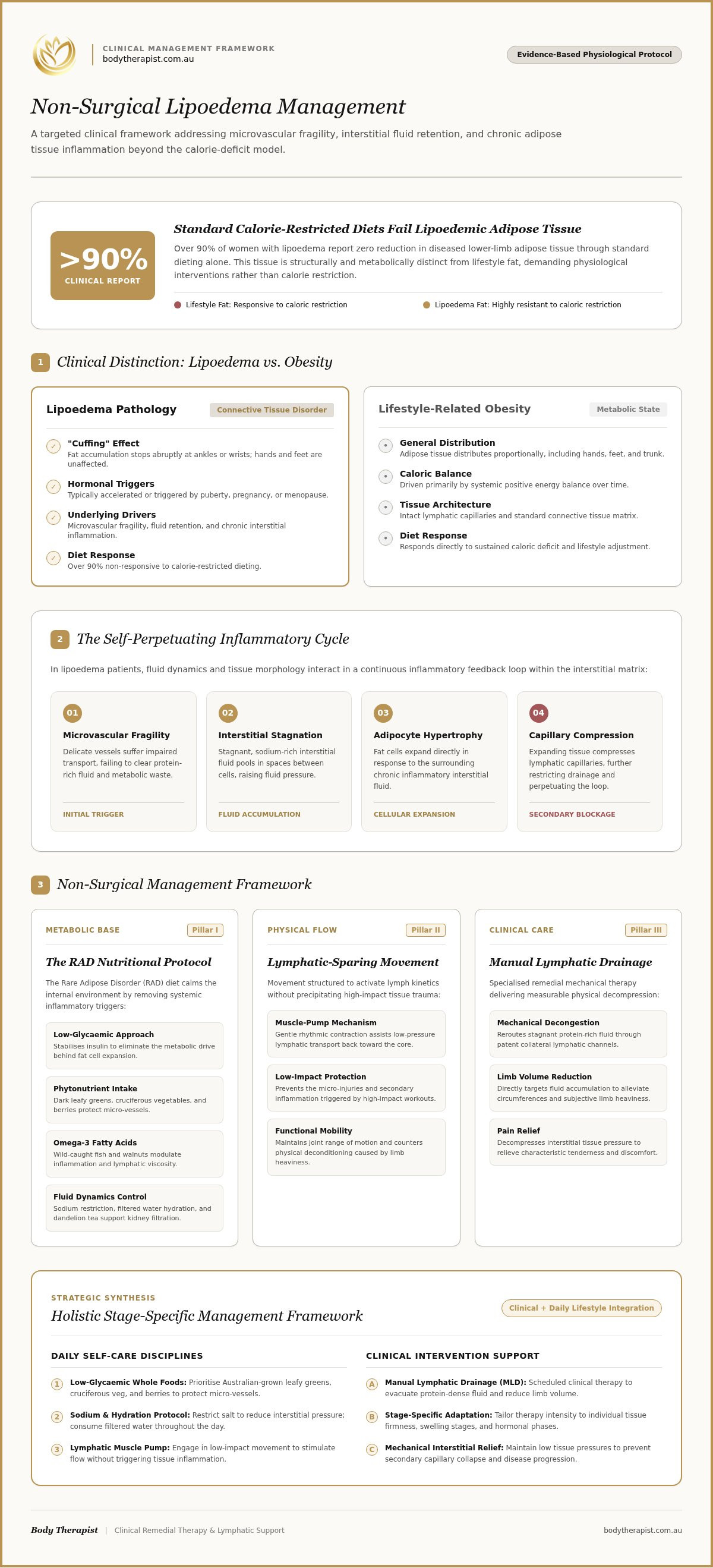
Lipoedema Management: The 2026 Guide to Diet and Exercise

Did you know that over 90% of women with lipoedema report zero reduction in diseased lower-limb adipose tissue when following standard, calorie-restricted diets? It's a soul-crushing cycle of restriction and frustration, often compounded by years of medical gaslighting that dismisses your physical pain as a simple lack of willpower. Finding an effective non-surgical lipoedema treatment requires looking beyond the bathroom scales to address the complex pathophysiology of microvascular fragility and chronic interstitial inflammation.
You deserve a management plan that aligns with your biology rather than fighting it. This 2026 guide provides a clinical framework for sustainable relief, moving beyond generic advice toward targeted physiological support. We'll explore how the Rare Adipose Disorder (RAD) diet reduces systemic inflammatory markers and why lymphatic-sparing movements are essential for maintaining functional mobility. By integrating evidence-based nutrition with specialised manual lymphatic drainage, you can establish a routine that reduces limb pain and swelling while reclaiming your physical well-being.
Table of Contents
Understanding Lipoedema: Why Standard Weight Loss Often Fails
Lipoedema is a chronic, progressive condition involving the pathological accumulation of subcutaneous adipose tissue, primarily affecting the limbs. It's often misidentified as simple obesity, yet this clinical overview of lipedema clarifies that the diseased tissue is structurally and metabolically distinct. Unlike lifestyle fat, which responds to caloric restriction, lipoedema tissue is highly resistant to standard weight loss efforts. Research indicates that over 90% of patients report zero reduction in diseased limb fat through dieting alone. This resistance is why an effective non-surgical lipoedema treatment must address underlying inflammatory markers and mechanical drivers rather than relying on the "calories in vs calories out" model.
The Role of the Lymphatic System in Adipose Growth
Implementing a non-surgical lipoedema treatment plan requires a deep understanding of how sluggish lymphatic flow contributes to adipose hypertrophy. The interstitial matrix in lipoedema patients often suffers from microvascular fragility and impaired lymphatic transport. When the system fails to clear protein-rich fluid and metabolic waste, it triggers a cascade of chronic inflammation. This environment promotes fat cell hypertrophy; the adipocytes expand in response to the stagnant, sodium-rich fluid surrounding them. It's a self-perpetuating cycle where fluid retention causes tissue expansion, which then further compresses delicate lymphatic capillaries. Understanding these underlying biological drivers is central to the care provided by Rooted Functional Medicine, which serves as an example of how identifying the root causes of chronic inflammation can support long-term health.
Common Misconceptions: Lipoedema vs. Obesity
Distinguishing lipoedema from general obesity is critical for clinical success. A primary diagnostic marker is the "cuffing" effect at the ankles or wrists, where the fat accumulation stops abruptly, leaving the feet and hands unaffected. Hormonal transitions, such as puberty, pregnancy, or menopause, typically trigger or accelerate the condition's progression. For many women, the most significant hurdle is the medical gaslighting that suggests their limb size is a result of poor lifestyle choices. It isn't a lack of willpower. It's a physiological disorder of the loose connective tissue that requires a specialised, multi-modal management strategy.
Anti-Inflammatory Nutrition: The RAD Diet for Lipoedema
Nutrition serves as a metabolic cornerstone for any effective non-surgical lipoedema treatment. The Rare Adipose Disorder (RAD) diet is a specialised nutritional framework that moves beyond the outdated "eat less, move more" mantra. It focuses on calming the internal environment by removing systemic triggers that exacerbate tissue swelling. This protocol aligns with NHS lipoedema guidance, which acknowledges that diseased adipose tissue is biologically resistant to standard dieting. By stabilising insulin through a low-glycaemic approach, patients can often reduce the metabolic "noise" that drives fat cell expansion.
The primary goal of the RAD diet is to reduce systemic inflammation to ease the overall burden on the lymphatic system.
Focusing on Whole Foods and Phytonutrients
Antioxidants play a vital role in protecting delicate micro-vessels from oxidative stress. You should prioritise Australian-grown produce, particularly dark leafy greens, cruciferous vegetables, and vibrant berries, which provide the phytonutrients necessary for vascular health. Omega-3 fatty acids are another non-negotiable component. These essential fats, found in wild-caught fish or walnuts, help modulate the body's inflammatory response and may improve the viscosity of lymphatic fluid. Shifting toward these whole-food sources helps create a biological environment where your body can better manage fluid dynamics. For readers seeking specialised diagnostic care to support their internal health, the Digestive Centre serves as an example of clinical expertise in managing the metabolic and inflammatory factors that underpin many chronic conditions.
Sodium intake directly impacts interstitial fluid pressure. Excessive salt causes the body to hold water in the spaces between cells, increasing the physical heaviness in your legs. While natural diuretics like dandelion tea can offer mild relief, the most sustainable way to manage fluid is through insulin control and consistent hydration. Drinking filtered water throughout the day supports the kidneys in flushing out metabolic waste. This nutritional discipline provides the internal foundation required for external therapies to succeed. Combining these dietary changes with professional lymphatic support ensures a multi-faceted approach to your recovery journey.
Therapeutic Movement: Exercise that Supports Lymphatic Flow
Movement is a vital component of a comprehensive non-surgical lipoedema treatment, but its primary objective differs significantly from traditional weight loss. Rather than focusing on caloric expenditure, therapeutic movement aims to activate the "lymphatic pump." Unlike the circulatory system, which relies on the heart, the lymphatic system has no central pump. It depends entirely on rhythmic muscle contractions to move protein-rich fluid through the vessels. For those with lipoedema, this mechanical process is often impaired by the presence of diseased adipose tissue, making deliberate, structured movement essential for managing limb volume.
High-impact activities like running or heavy plyometrics often prove counterproductive. These exercises can cause micro-trauma to already fragile connective tissues, triggering an inflammatory response that increases fluid retention and hyperalgesia. According to the NHS guide to lipoedema, conservative management should prioritise activities that don't exacerbate joint stress or tissue inflammation. Consistency is far more valuable than intensity; short, daily sessions of lymphatic-sparing movement are more effective for tissue health than sporadic, high-intensity workouts.
Low-Impact Aerobics and Hydrotherapy
Water-based exercise is the gold standard for lipoedema management. Hydrostatic pressure provides a natural form of graduated compression, supporting the vessels and reducing swelling while you move. This environment allows for increased range of motion without the burden of gravity on painful joints. Outside the water, cycling and walking remain excellent options for maintaining functional mobility. Some patients also find relief through rebounding on a high-quality mini-trampoline. The gentle vertical acceleration and deceleration create a rhythmic pressure change that stimulates lymphatic valves to open and close, facilitating fluid clearance.
Strength Training for Tissue Support
Building lean muscle mass provides the necessary structural support for venous and lymphatic return. When muscles are well-conditioned, they provide a firmer "backboard" for the lymphatic vessels to compress against during movement. To avoid inflammatory flare-ups, focus on controlled, weight-bearing exercises with moderate resistance. It's essential to perform these movements while wearing prescribed medical-grade compression garments to maximise the muscle-pump mechanism. After any physical activity, prioritising myofascial release and gentle stretching helps to prevent tissue stagnation. This integrated approach ensures that exercise remains a healing tool rather than a source of further physical stress.
Clinical Interventions: Enhancing Lifestyle Results with MLD
Dietary changes and therapeutic movement provide the metabolic foundation, but for many, these efforts reach a physiological plateau. Lipoedema tissue is structurally compromised, often featuring fibrotic changes and impaired interstitial clearance that can't be resolved through metabolic means alone. A successful non-surgical lipoedema treatment requires a mechanical intervention to mobilise stagnant fluid and soften hardened adipose structures. Without this clinical support, the physical heaviness and limb pain often persist, regardless of how strictly you follow nutritional protocols.
The Science of Manual Lymphatic Drainage (MLD)
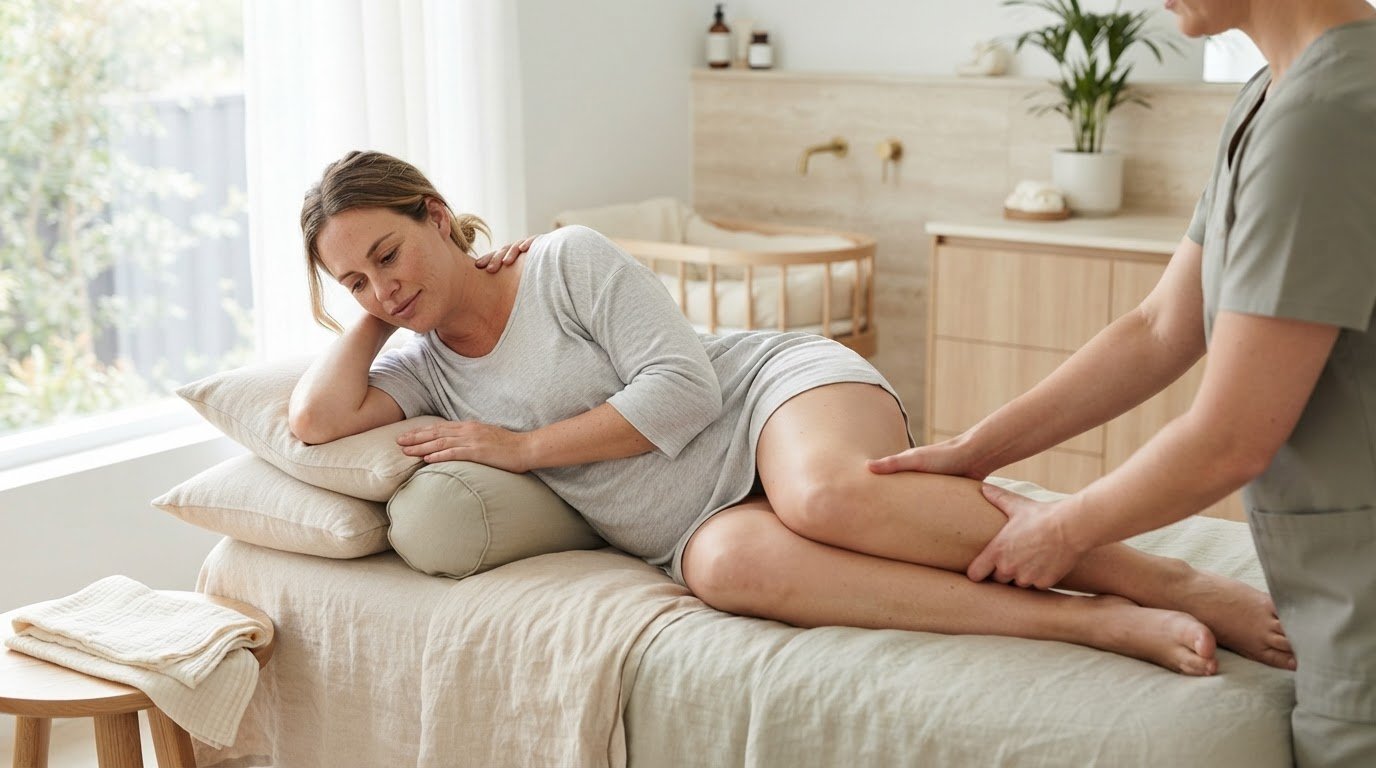
Clinical manual lymphatic drainage massage is a precise, light-touch technique designed to stimulate the lymphatic collectors and redirect fluid toward functional nodes. In lipoedema, the initial lymphatic capillaries are often distorted or compressed by diseased fat cells. MLD bypasses these damaged pathways, facilitating the removal of protein-rich fluid and metabolic waste from the tissues. This process significantly reduces the sensation of heaviness and hyperalgesia that characterises the condition. For optimal results, a clinical maintenance schedule is typically established, beginning with intensive sessions to reduce volume followed by regular monthly appointments to preserve tissue health.
Aesthetic and Functional Body Contouring
Beyond fluid management, non-surgical technologies like ultrasonic fat cavitation offer a way to target stubborn, fibrotic areas. Cavitation utilises low-frequency sound waves to create micro-bubbles in the interstitial fluid, which then implode and disrupt the membranes of adipocytes. This process is particularly effective for softening "nodular" fat, making it easier for the body to process and move. We often integrate these sessions into a broader clinical massage therapy plan to ensure the released lipids are efficiently cleared through the lymphatic system. RF skin tightening is frequently used alongside cavitation to stimulate collagen production, ensuring the skin retains its structural integrity as limb volume decreases.
Addressing the mechanical aspects of your condition is the missing link in most management plans. If you're ready to enhance your results with specialised clinical support, book a consultation with our qualified therapists to discuss a tailored treatment strategy.
Designing Your Holistic Lipoedema Management Routine
Lipoedema management is not a sprint; it's a lifelong commitment to biological harmony. Establishing a successful non-surgical lipoedema treatment routine begins with a thorough clinical assessment to determine your current tissue stage and pain profile. This baseline allows you to track progress accurately through regular measurements of limb circumference and subjective pain scores on a scale of one to ten. By documenting these changes, you can identify which interventions provide the most significant relief for your specific pathology.
Sustainability is the key to long-term success. You should implement RAD diet principles gradually, perhaps by removing one inflammatory trigger, such as refined sugar, before moving on to processed grains. Aim for two to three sessions of low-impact movement per week, such as swimming or clinical Pilates, always performed while wearing your prescribed compression. Regular clinical MLD remains essential to manage the inevitable fluid accumulation that occurs despite lifestyle efforts. This structured approach transforms a complex medical condition into a manageable daily practice.
Managing Flare-Ups and Inflammatory Triggers
Recognising the early signs of an increased lymphatic load is vital for preventing long-term tissue damage. You might notice a sudden increase in limb heaviness, skin tension, or sensitivity to touch. These flare-ups are common during periods of high emotional stress or during the intense Australian summer heat, which naturally increases interstitial fluid pressure. During these times, you should prioritise rest, increase your water intake, and reduce the intensity of your exercise. Learning gentle self-massage techniques can provide interim relief between your professional clinical sessions, helping to keep the fluid moving when the system is under duress.
The Importance of Holistic Clinical Support
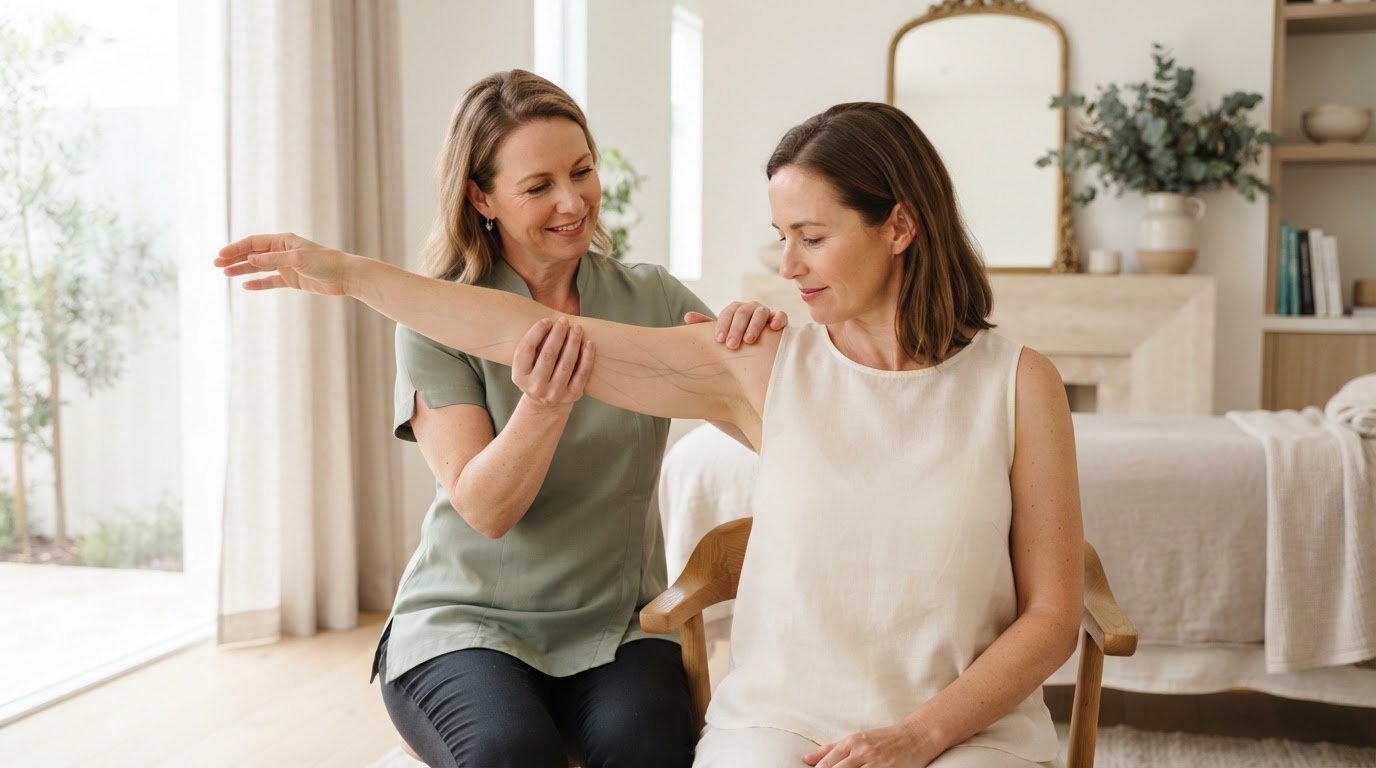
Working with a practitioner who specialises in optimising lymphatic drainage provides more than just physical relief. It offers the psychological benefit of a structured, proactive management plan, moving you from a state of frustration to one of empowerment. A master practitioner understands the nuances of human anatomy and can adjust your treatment as your tissue health evolves. You should prioritise professional guidance when integrating new therapeutic modalities like fat cavitation. This collaborative relationship ensures that every aspect of your routine, from nutrition to mechanical therapy, works in harmony to support your long-term mobility and physical well-being.
Empowering Your Path to Physical Relief
Managing lipoedema effectively requires moving beyond the limitations of traditional weight loss models to embrace a multi-modal physiological approach. By synchronising the anti-inflammatory principles of the RAD diet with lymphatic-sparing movement, you address the metabolic drivers of tissue expansion. However, lifestyle changes alone are often insufficient for clearing stagnant interstitial fluid or softening fibrotic adipose tissue. Integrating a professional non-surgical lipoedema treatment plan provides the mechanical support necessary to reduce limb volume and alleviate chronic hyperalgesia.
At Body Therapist, our expert MLD practitioners specialise in lymphatic disorders, utilising an empathetic, clinical approach to chronic condition management. We combine specialised manual techniques with advanced non-surgical body contouring technology to help you reclaim your functional mobility. You don't have to navigate this journey in isolation or settle for ineffective advice. Organise a clinical consultation at Body Therapist to discuss your lipoedema management plan and begin building a sustainable path toward recovery and comfort. It's time to prioritise your physical well-being with evidence-based care.
Frequently Asked Questions
Can diet and exercise alone cure lipoedema?
No, diet and exercise alone cannot cure lipoedema because it's a chronic disorder of the adipose and lymphatic tissues. While these lifestyle factors are essential for suppressing inflammation and preventing secondary obesity, they don't eliminate the diseased fat cells already present. Effective management requires a combination of metabolic support and mechanical interventions. This is why a multi-modal non-surgical lipoedema treatment plan is necessary to address the underlying physiological dysfunction that standard weight loss protocols ignore.
What is the best exercise for lipoedema pain reduction?
Water-based exercises, such as hydrotherapy or swimming, are considered the gold standard for reducing lipoedema pain. The hydrostatic pressure of the water provides a natural, graduated compression that supports the lymphatic vessels and reduces interstitial swelling without joint impact. This environment allows for increased range of motion while minimising the risk of inflammatory flare-ups. Other beneficial options include low-impact cycling and rebounding, which help stimulate the lymphatic pump mechanism through rhythmic, gentle muscle contractions.
Is the keto diet effective for managing lipoedema symptoms?
A ketogenic diet can be highly effective for managing symptoms because ketone bodies exert direct anti-inflammatory effects on adipose tissue. Many patients follow the RAD (Rare Adipose Disorder) diet, which is often a modified ketogenic or low-carbohydrate protocol. By reducing systemic inflammation and lowering insulin levels, these nutritional strategies can significantly decrease limb pain and swelling. Clinical data indicates that carbohydrate restriction is far more effective for this condition than traditional high-carbohydrate, calorie-restricted diets.
How often should I have manual lymphatic drainage for lipoedema?
The frequency of manual lymphatic drainage (MLD) depends on your clinical stage and the severity of your symptoms. Most practitioners recommend an initial intensive phase of two to three sessions per week to significantly reduce limb volume and mobilise stagnant fluid. Once the tissue has softened and swelling has stabilised, a maintenance schedule of one session every four to six weeks is typically sufficient. Consistent MLD is a core component of any comprehensive non-surgical lipoedema treatment.
Why do my legs hurt more after heavy exercise with lipoedema?
Heavy, high-impact exercise can increase pain because it often causes micro-trauma to fragile connective tissues and capillaries. In a body with lipoedema, this triggers an inflammatory response that increases interstitial fluid pressure and activates sensory C-fibers, leading to hyperalgesia. If you experience increased heaviness or throbbing after a workout, it's likely that the intensity has exceeded your tissue's current tolerance. Shifting to lymphatic-sparing, low-impact movements will help manage these inflammatory flare-ups more effectively.
Does drinking more water help with lipoedema fluid retention?
Yes, maintaining high levels of hydration is essential for managing fluid retention and supporting cellular waste removal. While it may seem counter-intuitive to drink more when you feel swollen, water helps the kidneys flush out excess sodium and metabolic by-products from the interstitial matrix. Dehydration can actually cause the body to hold onto fluid more aggressively, worsening the sensation of heaviness. Consistent hydration ensures that lymphatic fluid remains less viscous, making it easier for the system to transport.
Can non-surgical fat cavitation help with lipoedema tissue?
Non-surgical fat cavitation is an effective tool for softening fibrotic lipoedema tissue and reducing localised adipose pressure. This technology uses low-frequency sound waves to disrupt the membranes of adipocytes, making the diseased tissue less dense and easier to mobilise. When integrated into a clinical management plan, cavitation can improve functional mobility by reducing the physical bulk in areas like the inner knees or thighs. It works best when followed by manual lymphatic drainage to clear the released lipids.
Should I wear compression garments while exercising?
You should always wear medical-grade compression garments while exercising to maximise the efficiency of the muscle-pump mechanism. The fabric provides a firm resistance for your muscles to push against, which significantly increases the rate of lymphatic and venous return. Without compression, the increased blood flow during exercise can lead to more fluid leaking into the tissues, causing post-workout swelling. Wearing flat-knit garments during movement is a fundamental part of preventing tissue stagnation and managing limb volume.

Comments