

How to Reduce Fluid Retention in Legs: A Clinical Management Guide

Updated: Sep 21
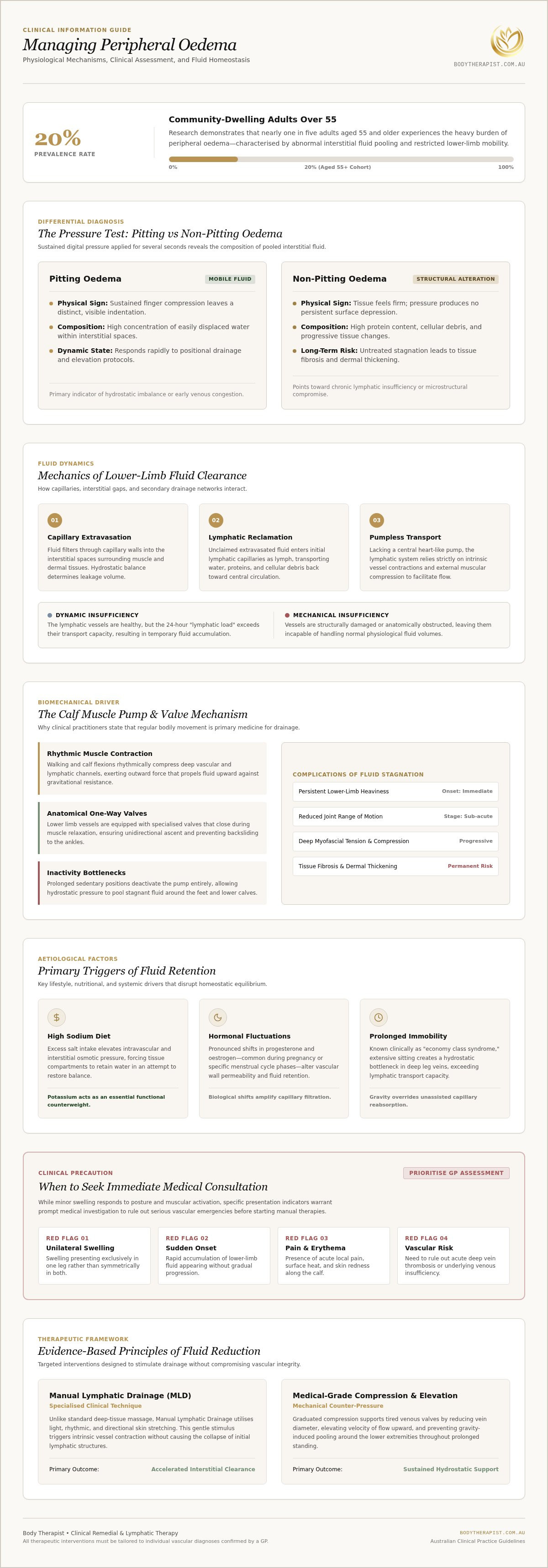
Research indicates that nearly 20% of community-dwelling adults over the age of 55 experience the persistent, heavy burden of peripheral oedema. You've likely felt that frustrating tightness in your calves or the deep indentation left by socks that once fit perfectly. It's more than a minor inconvenience; it's a source of genuine anxiety that affects your freedom of movement and daily confidence. If you are searching for how to reduce fluid retention in legs, you deserve a solution grounded in clinical science rather than vague wellness trends.
We've developed this clinical management guide to help you understand the precise physiological causes of swelling, from venous insufficiency to lymphatic impairment. You'll discover a step-by-step framework to restore fluid balance, featuring evidence-based protocols such as Manual Lymphatic Drainage and medical-grade compression. By the end of this guide, you'll have a clear, professional roadmap to alleviate physical heaviness, understand the "why" behind the pooling, and optimise your long-term mobility.
Table of Contents
Understanding Peripheral Oedema: Why Fluid Pools in Your Legs
Peripheral oedema is more than just a visible swelling; it's the clinical accumulation of excess fluid within the interstitial spaces, the tiny gaps surrounding your tissues. This condition, often referred to as peripheral edema in the lower limbs, occurs when the delicate balance between fluid leaving the capillaries and fluid being reabsorbed is disrupted. While some general health guides suggest it's harmless, the persistent heaviness and reduced range of motion can be physically and emotionally taxing. Understanding these underlying mechanics is the first step in learning how to reduce fluid retention in legs effectively.
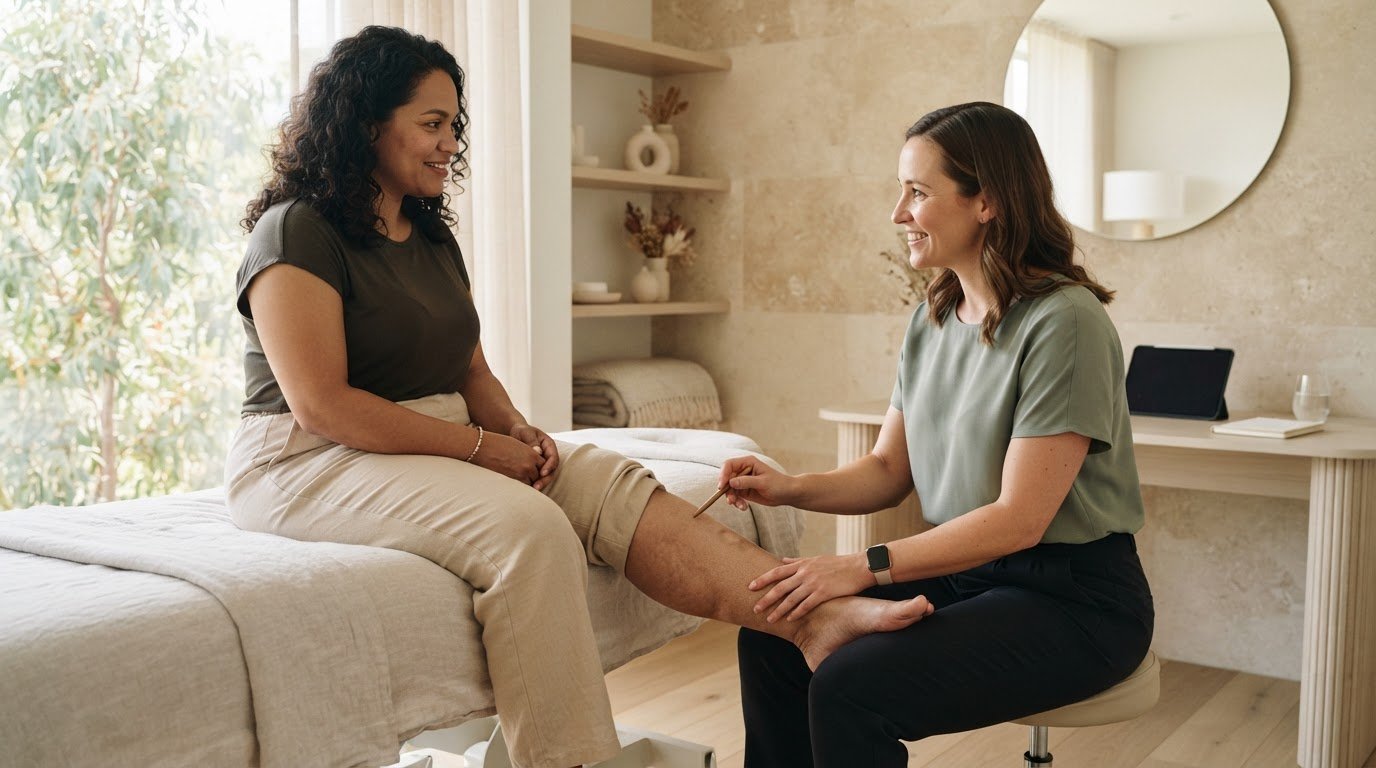
You can identify the nature of your swelling through a simple pressure test. Pitting oedema leaves a visible indentation after you press your finger into the skin for several seconds, indicating a high concentration of water that is easily displaced. Non-pitting oedema, conversely, feels firmer and does not leave a mark; this often suggests a higher protein content or more advanced tissue changes. Lower limb circulation relies heavily on the "calf muscle pump" to move fluid against gravity. When we lead sedentary lifestyles, this pump remains inactive, allowing fluid to pool around the ankles and feet.
Common Triggers for Leg Swelling
Several factors can trigger or exacerbate fluid accumulation. High sodium diets are a primary culprit, as excess salt increases osmotic pressure, forcing the body to hold onto water to maintain equilibrium. Hormonal fluctuations also play a significant role. Many women experience increased fluid retention during pregnancy or specific phases of the menstrual cycle due to shifts in progesterone and oestrogen. To better manage these hormonal triggers, you can visit Living Well Dallas for specialised functional medicine care. Additionally, "economy class syndrome" is a real risk for those in prolonged stationary positions, where the lack of movement creates a hydrostatic bottleneck in the veins.
When to Consult a Medical Professional
It's vital to recognise "red flags" that require immediate clinical attention. If you notice unilateral swelling (one leg only), sudden onset, or associated pain and redness, you must seek professional advice to rule out conditions like deep vein thrombosis. Chronic fluid retention is frequently linked to underlying venous insufficiency, where the valves in your veins fail to work efficiently. Before exploring how to reduce fluid retention in legs through intensive manual therapy, a GP diagnosis is essential. This ensures your treatment plan is safe, targeted, and medically appropriate for your specific vascular health. For those who require a professional clinical evaluation, telehealth services like unicadvancedhealthservices.com offer accessible primary care consultations to discuss your symptoms and management options.
The lymphatic system acts as the body's secondary circulatory network. It's responsible for managing the extravasated fluid that the venous system cannot reclaim on its own. Once interstitial fluid enters the initial lymphatic capillaries, it's officially classified as lymph. This transport system is critical for waste removal, protein transport, and immune surveillance. However, unlike the cardiovascular system, it lacks a central pump like the heart. It relies on external pressures and intrinsic vessel contractions to facilitate flow. Understanding this physiological limitation is central to learning how to reduce fluid retention in legs safely and effectively.
We must consider the concept of "lymphatic load". This refers to the total volume of water, proteins, and cellular debris that the system must transport in a 24-hour period. When this load exceeds the system's transport capacity, fluid accumulates in the tissues. This imbalance leads to the chronic swelling discussed in the previous section. If the vessels are healthy but simply overwhelmed, it's known as a dynamic insufficiency. Conversely, if the vessels are damaged or obstructed, it's a mechanical insufficiency. Both states require targeted intervention to prevent long-term tissue changes.
The Role of the Muscle Pump
The primary driver for lower-limb drainage is the calf muscle pump. As you walk, the rhythmic contraction and relaxation of these muscles compresses the deep lymphatic vessels, effectively propelling fluid upward. To prevent backsliding toward the ankles, the vessels are equipped with anatomical one-way valves that ensure unidirectional movement. This is why clinical practitioners often say "movement is medicine". Without regular muscle activation, fluid remains stagnant; this increases the risk of tissue fibrosis and permanent dermal thickening.
Mechanical Obstructions to Drainage
Even with consistent movement, external factors can hinder drainage. Myofascial tension in the surrounding connective tissue can physically compress superficial lymph vessels, creating a structural bottleneck. Similarly, restrictive footwear or tight clothing can act as a tourniquet, stalling the delicate upward flow of lymph toward the regional nodes in the groin. This is where clinical massage therapy becomes essential. It addresses these structural restrictions to clear the path for fluid return. If you're struggling with persistent heaviness, a professional assessment at Body Therapist can identify whether mechanical obstructions are stalling your recovery.
Dietary and Lifestyle Strategies for Fluid Balance
A common misconception in the clinical management of foot, leg, and ankle swelling is that reducing water intake will decrease physical volume. In reality, the "dehydration paradox" suggests the opposite. When you're dehydrated, the body increases its production of antidiuretic hormone, signalling the kidneys to conserve every drop. This often results in more pronounced pooling in the lower extremities. Staying properly hydrated actually encourages the renal system to flush out excess sodium and metabolic waste, which is a fundamental step in how to reduce fluid retention in legs.
Electrolyte balance is equally vital for maintaining fluid homeostasis. Potassium acts as a functional counterweight to sodium; it helps to regulate the osmotic pressure within your cells and prevents the systemic "holding" of water. Magnesium also supports this process by facilitating proper neuromuscular function and vessel tone. In the Australian climate, heat-induced vasodilation can exacerbate these issues. As temperatures rise, your blood vessels dilate to release heat, which unfortunately allows more fluid to leak into the surrounding interstitial spaces. Managing your internal chemistry is just as important as managing your external environment.
Optimising Your Nutritional Intake
Your diet should focus on whole foods that naturally support renal function. Specific vegetables like celery and parsley contain compounds that act as mild, natural diuretics without the harsh side effects of pharmaceutical options. It's also essential to be vigilant about "hidden" salts found in processed Australian pantry staples. High sodium intake creates a concentrated environment that pulls water out of your cells and into the tissue spaces. By favouring fresh produce and staying hydrated, you signal your body that it's safe to release stored fluid.
Daily Movement Habits
Movement is the primary driver for fluid return. For office workers or those with limited mobility, simple "ankle pumps" performed every hour can significantly reduce stagnant pooling. These involve flexing and extending the feet to engage the lower leg muscles. Low-impact activities like swimming are particularly effective because the hydrostatic pressure of the water provides a natural, gentle compression that assists drainage. Regular walking is also a clinical necessity. It engages the soleus muscle, often called the "second heart," which is responsible for pumping blood and lymph back toward the torso; this serves as a vital component of how to reduce fluid retention in legs.
Daily Protocol: How to Reduce Fluid Retention at Home
Establishing a structured daily programme is the most effective way to maintain the results achieved in a clinical setting. While intensive treatments provide significant reduction, your home routine prevents the re-accumulation of interstitial fluid. Consistency is more important than intensity. Measuring your ankle circumference each morning and evening provides objective data on your progress. Maintaining a fluid diary to track sodium intake, activity levels, and swelling peaks helps identify personal triggers. This data is invaluable for refining your strategy on how to reduce fluid retention in legs.
The Science of Effective Elevation
Elevation is a powerful tool when performed correctly. To facilitate hydrostatic drainage, your legs must be positioned approximately 30 centimetres above the level of the heart. This allows gravity to assist the movement of fluid from the distal extremities toward the regional lymph nodes in the groin. Follow these steps for maximum efficacy:
Duration: Maintain the elevated position for at least 30 minutes, three to four times per day.
Alignment: Ensure the entire limb is supported. Use gravity to assist the proximal, or top-down, drainage by allowing the fluid to move toward the torso.
Joint Support: Place pillows under the knees as well as the ankles. Supporting the knees prevents the "kinking" of the popliteal vessels, which can otherwise obstruct the very flow you are trying to encourage.
Compression and Self-Care Techniques
Compression garments are a cornerstone of long-term management. Choosing the correct grade is essential; Class 1 (15 to 20 mmHg) is often sufficient for mild swelling, while Class 2 (20 to 30 mmHg) is required for clinical peripheral oedema. Beyond garments, basic dry brushing can stimulate the superficial lymphatics just beneath the skin. Use light, rhythmic strokes directed toward the heart to encourage the initial lymphatic capillaries to open.
Contrast bathing is another useful technique. It involves alternating between warm and cool water to encourage "vascular gymnastics." This process causes the vessels to dilate and constrict, which improves overall vascular tone and efficiency. If you are unsure which compression grade or self-care technique is right for your specific condition, we recommend booking a professional assessment at Body Therapist to develop a personalised clinical management plan.
Clinical Intervention: The Power of Manual Lymphatic Drainage
While home protocols are essential for maintenance, clinical intervention is often the primary catalyst for significant recovery. A professional manual lymphatic drainage massage is fundamentally different from a standard remedial session. While remedial massage focuses on deep tissue release and muscle knots, MLD targets the superficial lymphatic network located just beneath the skin. This requires an exceptionally light touch. Applying too much pressure can actually collapse the delicate lymphatic capillaries, halting the very drainage we intend to promote. This precision is why MLD is considered a clinical necessity rather than a luxury.
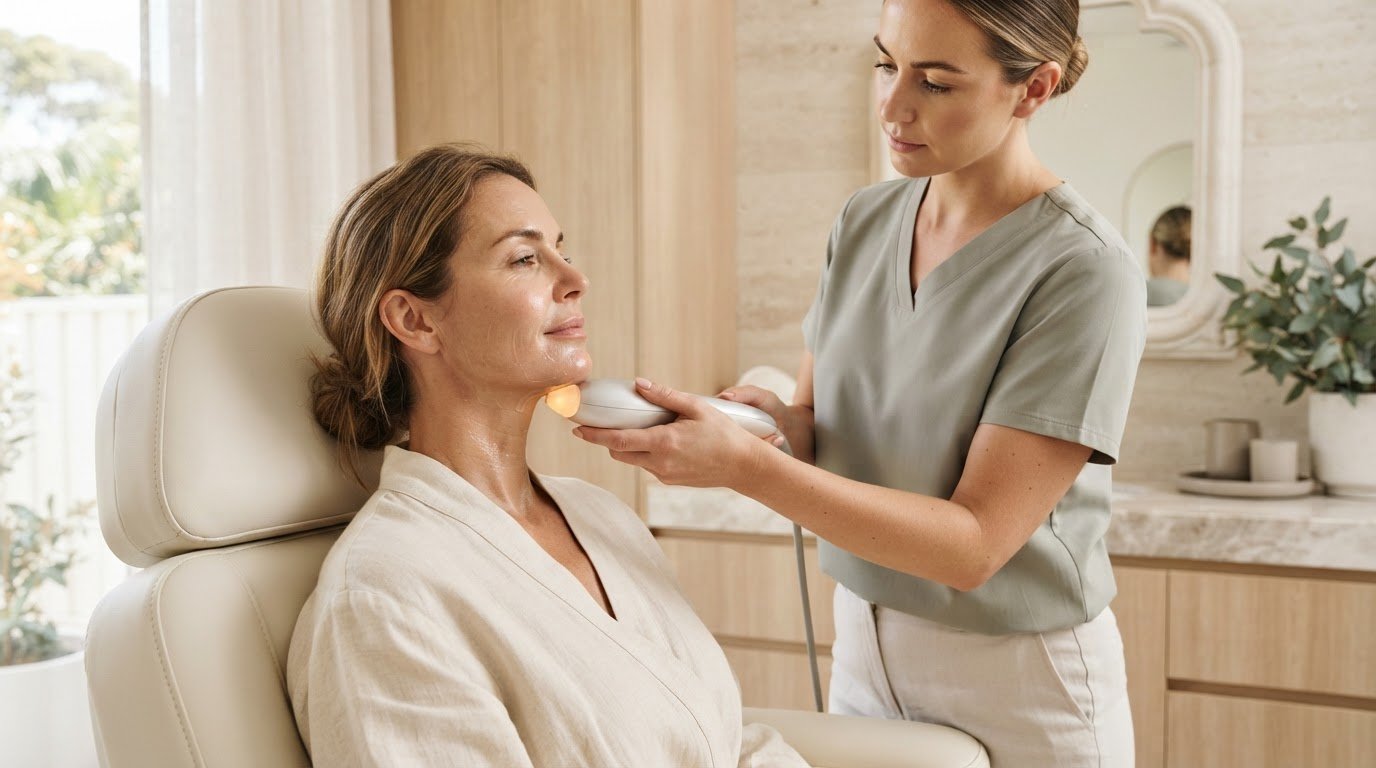
The clinical sequence of MLD is just as critical as the pressure used. We always begin by "clearing" the proximal lymph nodes in the neck and groin before addressing the swollen limbs. Think of this like clearing a blocked drain from the top down; if the central nodes are congested, fluid from the legs has nowhere to go. This methodical approach is the gold standard for anyone seeking how to reduce fluid retention in legs through therapeutic means. It ensures that the lymphatic load is managed systematically, preventing the system from becoming overwhelmed during the treatment process.
Why Clinical MLD is Superior to General Massage
General massage often involves broad, circular strokes that can inadvertently push fluid into already congested areas. In contrast, clinical MLD uses specific, directional strokes designed to guide lymph toward healthy, functioning nodes. This process also calms the sympathetic nervous system, shifting the body into a "rest and digest" state that further facilitates fluid reabsorption. Seeing a qualified MLD massage therapist ensures that your treatment is based on a deep understanding of your unique anatomical map, which is vital for safety, especially if you have underlying vascular conditions.
Integrating Advanced Modalities
Modern clinical management often synthesises multiple techniques for better outcomes. Low-Level Laser Therapy (LLLT) can be utilised to reduce localised tissue inflammation and stimulate lymphatic vessel contraction. Similarly, myotherapy can address structural blocks in the fascia that might be hindering flow. By combining these tools, your practitioner acts as a clinical partner in optimising lymphatic drainage. This collaborative approach focuses on creating a long-term maintenance plan, ensuring you don't just find temporary relief but achieve a sustainable reduction in fluid volume. It's a comprehensive strategy for how to reduce fluid retention in legs that prioritises functional health and restored mobility.
Restoring Functional Fluid Balance and Mobility
Managing peripheral oedema requires a methodical shift from merely addressing symptoms to actively optimising the body's mechanical drainage systems. You've learned that effective management involves more than simple salt reduction; it necessitates a sophisticated understanding of how the lymphatic system processes its daily load. By combining precise elevation techniques and targeted hydration with professional intervention, you can achieve a visible reduction in limb volume and a significant return to physical comfort. Consistency in your home protocol ensures that the progress made in the clinic is maintained long-term.
If you're ready to move beyond temporary fixes and implement a clinical strategy for how to reduce fluid retention in legs, expert guidance is essential. At Body Therapist, we provide a results-oriented, evidence-based approach to tissue health. Our practitioners are highly qualified in Manual Lymphatic Drainage (MLD) and dedicated to resolving chronic swelling through anatomical precision and specialised care. We don't just treat the surface; we address the underlying physiological triggers of fluid pooling.
Book your clinical Manual Lymphatic Drainage session at Body Therapist to begin your journey toward lasting relief and recovery. Restoring your physical lightness and range of motion is a dedicated process, but with the right clinical partner, it's entirely achievable.
Frequently Asked Questions
How quickly can I see results when trying to reduce fluid in my legs?
Visible changes often occur immediately following a clinical Manual Lymphatic Drainage session. You might notice your shoes feel looser or your skin appears less taut once the interstitial fluid is moved toward functional nodes. However, sustainable results in how to reduce fluid retention in legs require a consistent home protocol. Most patients report a significant decrease in physical heaviness within two to four weeks of combined clinical therapy and daily elevation routines.
Is it safe to exercise when my legs are swollen?
Low-impact exercise is generally recommended as it activates the calf muscle pump to facilitate fluid return. Activities such as swimming or walking are ideal because they provide gentle hydrostatic pressure or rhythmic muscle contractions that assist the lymphatic vessels. You should avoid high-impact movements if they cause acute pain or if the swelling is associated with a recent injury. Always consult a therapist to ensure your movement plan supports your specific vascular health.
Can I use a massage gun to help with fluid retention?
We advise against using percussive massage guns directly on swollen areas. The high-frequency vibration and intense pressure can collapse the delicate initial lymphatic capillaries, which are situated just beneath the skin surface. This mechanical trauma often exacerbates the inflammatory response rather than assisting drainage. Clinical Manual Lymphatic Drainage requires a specific, light touch that a mechanical device simply cannot replicate safely or effectively without risking further tissue damage.
What is the difference between oedema and lymphedema?
Oedema is a general clinical term for fluid accumulation in the interstitial spaces, often caused by temporary factors like high salt intake or immobility. Lymphedema is a chronic condition resulting from a structural failure or blockage within the lymphatic system itself. While both involve visible swelling, lymphedema requires specialised, lifelong management to prevent tissue fibrosis and permanent skin changes. Understanding this distinction is vital for choosing the correct rehabilitative path and long-term care strategy.
Does drinking apple cider vinegar really help with water retention?
There is limited clinical evidence to suggest that apple cider vinegar directly reduces peripheral swelling. While some believe its potassium content helps, the amount is negligible compared to whole foods like leafy greens. To effectively manage how to reduce fluid retention in legs, we recommend focusing on evidence-based strategies such as maintaining electrolyte balance, consistent hydration, and professional Manual Lymphatic Drainage rather than relying on unverified home remedies that lack physiological impact.
Why does my fluid retention get worse at the end of the day?
Swelling typically increases by evening due to the cumulative effects of gravity and hydrostatic pressure. When you spend hours standing or sitting, fluid naturally pools in the lowest points of the body. Without consistent activation of the "calf muscle pump" through movement, the lymphatic system struggles to transport fluid against the gravitational pull. This is why a dedicated evening elevation protocol is a critical component of managing daily fluid accumulation effectively.
Are there specific vitamins that help with leg swelling?
Magnesium and Vitamin B6 are frequently discussed in clinical contexts for their roles in fluid regulation and neuromuscular function. Magnesium helps maintain vascular tone, while B6 may assist in reducing hormonal swelling. However, these should only complement a diet rich in potassium and low in processed sodium. It is essential to discuss any supplementation with your GP to ensure it doesn't interfere with existing medications or underlying systemic health conditions.
How often should I have a professional lymphatic drainage session?
The frequency of sessions depends on the severity of your condition and your specific recovery goals. During an intensive reductive phase, we might recommend two to three sessions per week to achieve rapid fluid clearance and volume reduction. Once the swelling has stabilised, a maintenance schedule of once every four to six weeks is often sufficient. Your therapist will help you develop a personalised plan that integrates clinical care with your home management routine.
Comments